Vehicle inspections are making a comeback: a reform for safety or the old system in a new guise
17 April 14:14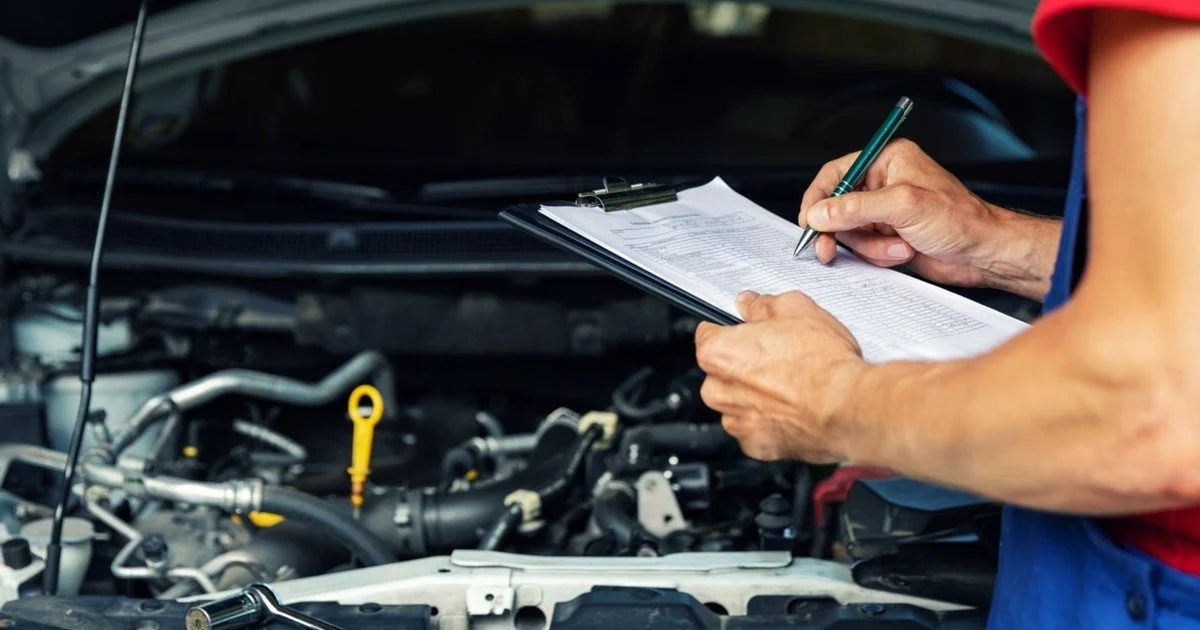 ANALYSIS FROM
Ukraine has committed to the European Union to introduce mandatory vehicle inspections for all vehicles, including passenger cars. The necessary legislative changes must be adopted by the end of 2027.
This was announced by Deputy Minister of Community and Territorial Development Serhiy Derkach during a roundtable discussion on the formalization and regulation of the automotive market, writes
A corresponding draft law is already being prepared, as regulations on mandatory periodic technical inspections for all vehicles without exception, including passenger cars, must be adopted by the end of next year.
Although the government supports this initiative, the issue of mandatory technical inspections remains politically sensitive. Some members of parliament oppose it, arguing that it will create an additional financial burden on citizens during wartime.
As part of its European integration process, Ukraine must also introduce the practice of conducting vehicle inspections directly on the roads. Such inspections are already in place in EU countries: vehicles can be stopped for inspection, after which a decision is made regarding their continued use.
In our country, there is currently a lack of both the legal basis and the technical capabilities for such inspections. For example, there is a shortage of specialized mobile inspection units.
The European Approach: How Vehicle Inspections Should Work
Yevgen Potapenko, CEO of Paradise Auto, in an exclusive comment for
“Vehicle inspections were abolished earlier because, in essence, they were purely a vehicle for corruption. No one actually inspected the cars—everyone just funneled money into the offices,” says Potapenko.
A thorough technical inspection involves a real check of the vehicle: the braking system, the chassis, the electrical system, and the lighting—that is, everything that affects traffic safety. Along with the technical inspection, the transport tax was also eliminated at that time, with its cost incorporated into the price of fuel.
“This fee was simply built into the price of gasoline. If I’m not mistaken, fuel prices rose by about 10% at that time,” says the expert.
However, according to the expert, the abolition of inspections did not solve the problem of the technical condition of cars on the roads.
Risks of returning to the old system
Potapenko warns: if vehicle inspections return in the same form as before, the situation will not change. The same faulty vehicles will remain on the roads. This refers, in particular, to vehicles with problems related to the chassis, brakes, or environmental standards.
Instead, the model used in EU countries could be effective.
“If it’s like in Europe—where cars are actually inspected and you won’t get a road permit until you fix the defects—then it will make sense,” says the company’s CEO.
The expert points out another uncertainty—the cost of the procedure. At the same time, he does not rule out that the vehicle tax could return along with the technical inspection.
“The question arises: if the tax is reinstated, will it be removed from the price of fuel, and will fuel become cheaper?” says Potapenko.
Potapenko notes that technical inspections have never been abolished for commercial vehicles. As for private cars, the expert says the effectiveness of the inspections depends on how transparently they’re carried out.
What will be inspected and how this will affect cars
The inspections will likely be carried out by certified technical stations, as is currently the case with the certification of imported cars. The expert says that special attention may be paid to modifications to the car’s structure, particularly tuning.
“Any changes—brakes, wheels, exhaust system—are modifications to the vehicle’s structure. And it’s unclear how this will affect safety,” the expert believes.
So, the technical inspection could become either a useful reform or just another formality—it all depends on exactly how it is implemented.