Turkey Has Partially Blocked Passage Through the Dardanelles: What Are Its Arguments?
9 August 04:29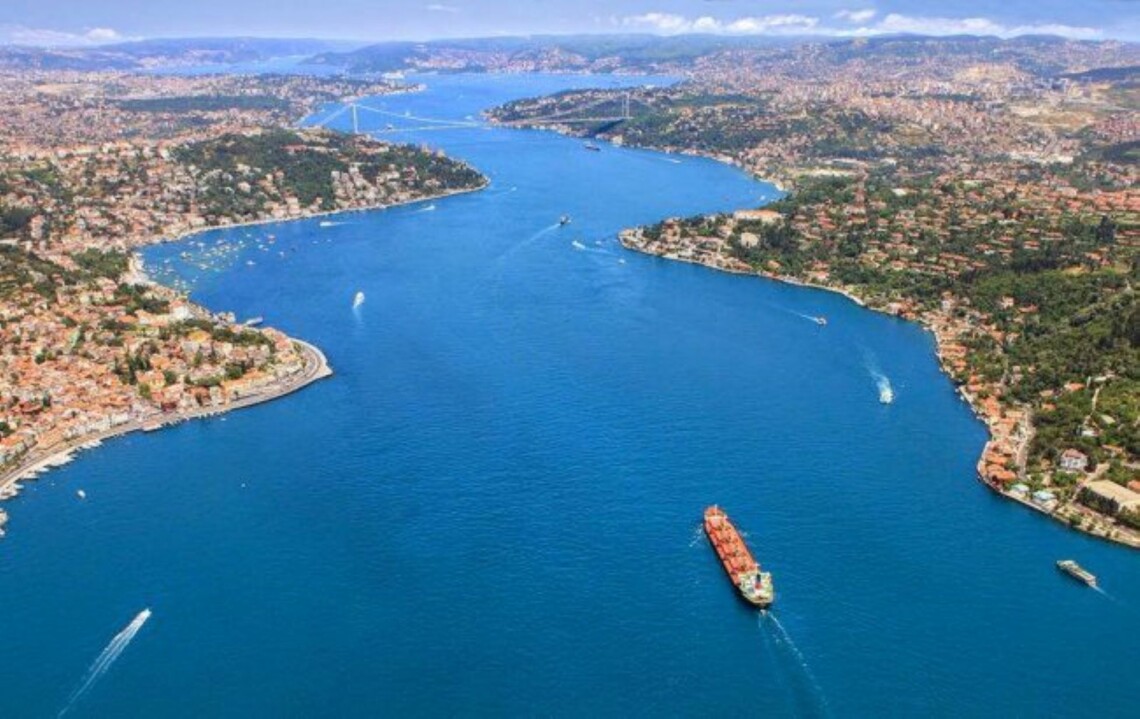
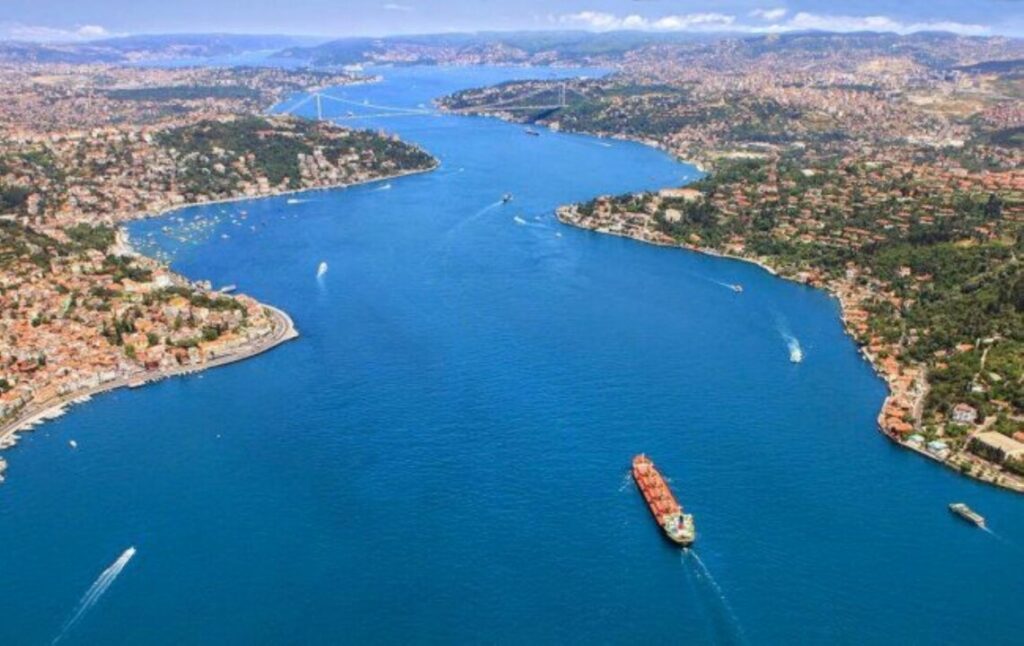
Turkish authorities have begun restricting the movement of commercial vessels through the Dardanelles Strait into the Black Sea, sources familiar with the situation who asked to remain anonymous told Bloomberg, according to "Komersant Ukrainian".
These measures were taken in response to increasingly frequent Russian and Ukrainian attacks on civilian vessels in the Black Sea basin.
According to the sources, the General Directorate of Coast Guard, which is under the jurisdiction of the Turkish Ministry of Transport, has informed several vessels bound for Novorossiysk that it is currently not issuing transit permits for such voyages or that it needs more time to review applications for passage through the strait.
Watch us on YouTube: important topics – without censorship
Turkish authorities have not provided any explanation for this move, which effectively restricts the flow of vessels heading to the Black Sea, sources note.
According to sources, some ships were informed that this restriction also applies to vessels heading to Ukraine. Kyiv had previously stated that Russian strikes on seaports and commercial vessels in the Odesa region had effectively cut off shipping in Ukraine’s Black Sea zone, through which most of the country’s grain exports pass. At the same time, major shipping companies have begun limiting the operations of their cargo ships in the Black Sea, and freight rates have skyrocketed.
Just last Tuesday, two Turkish-linked vessels came under attack in the Black Sea, including the dry cargo ship Nadezhda, which was sailing from Samsun, Turkey, to Novorossiysk with a cargo of fruits and vegetables. Several sailors were injured. The Turkish Foreign Ministry officially called on “all interested parties,” particularly Russia and Ukraine, to “urgently take concrete measures to ensure the safety of navigation in the Black Sea.”
The measures taken by Turkey, as noted by Bloomberg, could create new challenges for global trade at a time when oil supplies are already significantly disrupted due to the war in Iran and reduced shipping volumes through the Strait of Hormuz.
The intensification of Russian and Ukrainian attacks is also negatively affecting grain shipments from the Black Sea region, which led to a rise in global wheat prices in July to a two-year high.
Read us on Telegram: important topics – without censorship