In Ukraine, 50% of the population lives outside their place of registration: Aivazovska commented on Fedorov’s statement regarding the elections
19 August 14:00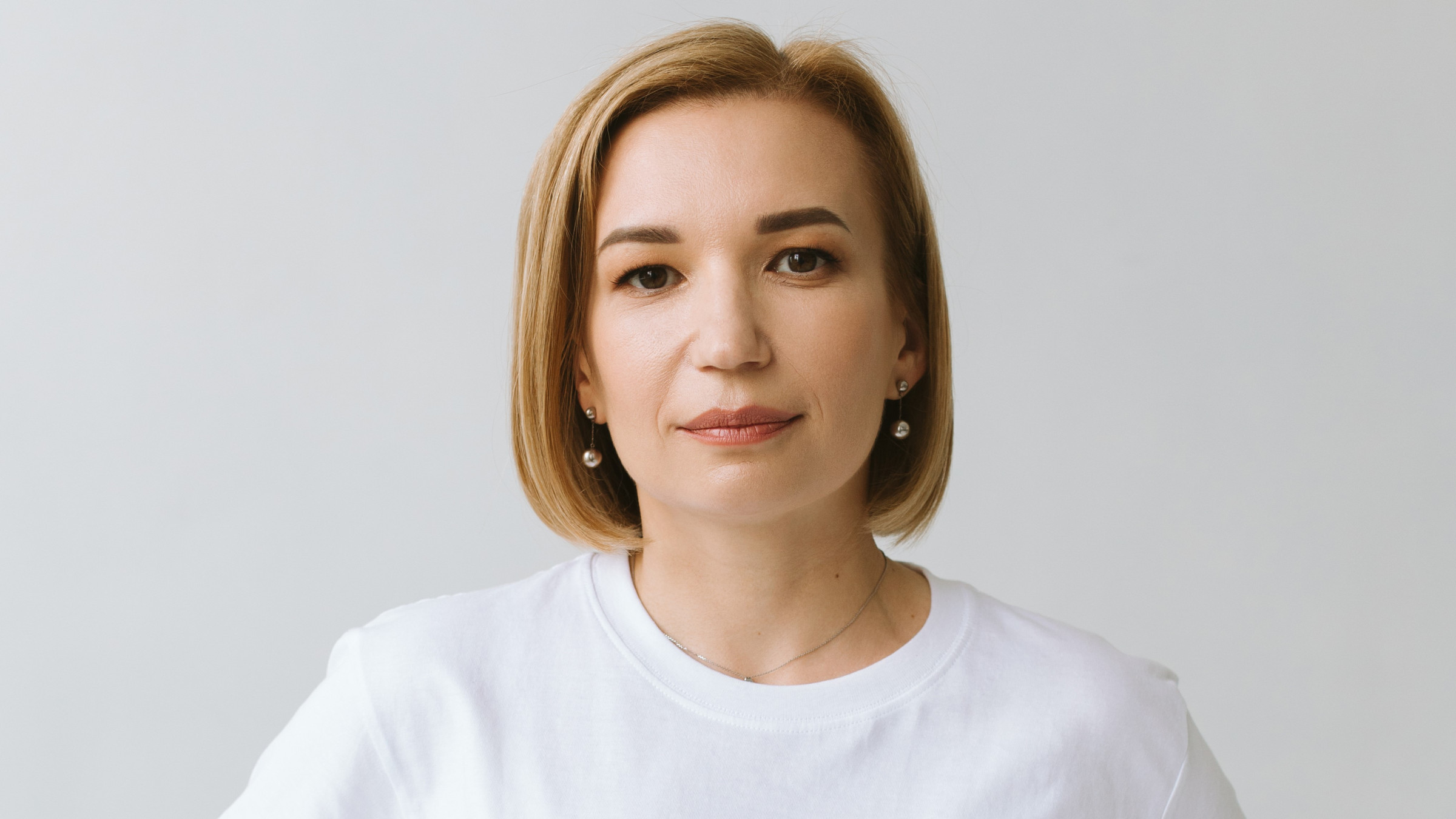
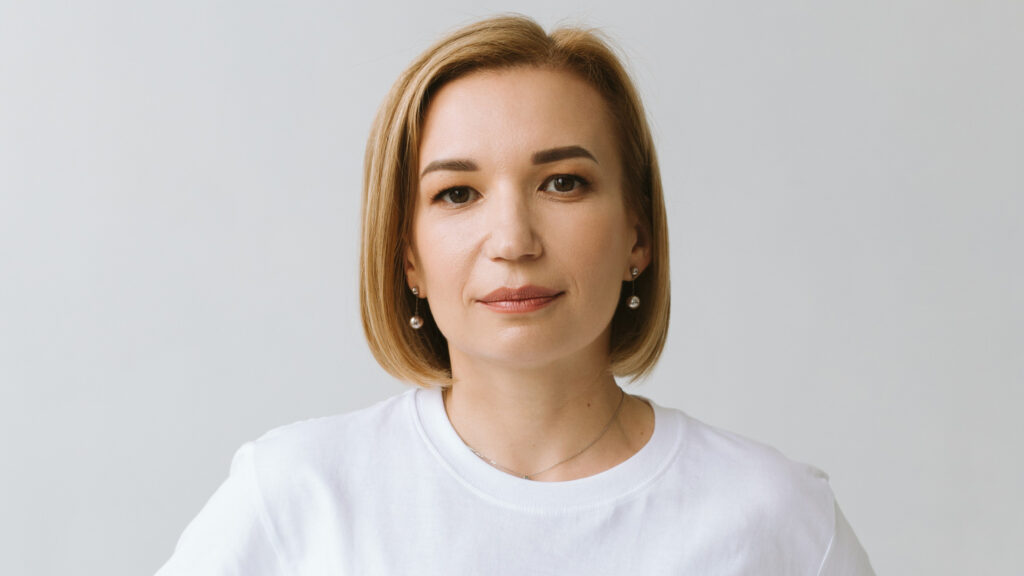
Holding elections in Ukraine amid a full-scale war remains an extremely challenging task, not only politically but also technically. Olga Aivazovska, head of the civil network “OPORA,” highlighted a number of issues that must be resolved before the election process begins in an interview with LB.ua, according to "Komersant Ukrainian".
According to her, work on the legislative framework for the first postwar elections has effectively stalled. Since April 2026, the relevant working group of the Verkhovna Rada has held only one brief meeting.
Previously, the process had gained momentum amid peace talks, but after those talks effectively ceased, work on the electoral legislation also came to a halt.
Aivazovska expects that work on the regulatory framework may resume in September. At the same time, passing a single law is not enough to hold elections. In her assessment, several legislative areas need to be addressed, and the result of this work could be a package of six to seven regulatory acts.
One of the biggest practical problems is citizens’ registered voting addresses. According to Aivazovska, about half of Ukrainians actually live somewhere other than where they are registered. This means that before voting, millions of citizens will have to determine or change their registered voting address.
Watch us on YouTube: important topics – without censorship
The problem also affects Ukrainians living abroad. This concerns more than six million citizens for whom voting arrangements must be made. At the same time, the traditional number of overseas polling stations will not be sufficient, as they will physically be unable to accommodate such a large number of voters. A separate issue is the participation of military personnel. They have the constitutional right not only to vote but also to be elected; however, holding elections near the front lines creates additional security risks.
Aivazovska suggests that one possible solution is to set up special polling stations for military personnel. At the same time, she believes their number must be strictly limited, as an excessive concentration of electoral infrastructure within military units could create risks of administrative resource abuse.
Among other unresolved issues is the legal status of the upcoming elections. They do not fully fit the format of regular scheduled elections, yet at the same time are not classic special elections. Therefore, lawmakers must separately define the legal framework for such a vote.
The expert also draws attention to the risks associated with the candidates. She emphasizes that current legislation includes provisions that could spark serious public debate, particularly the possibility of a person convicted of treason running for office.
Read us on Telegram: important topics – without censorship