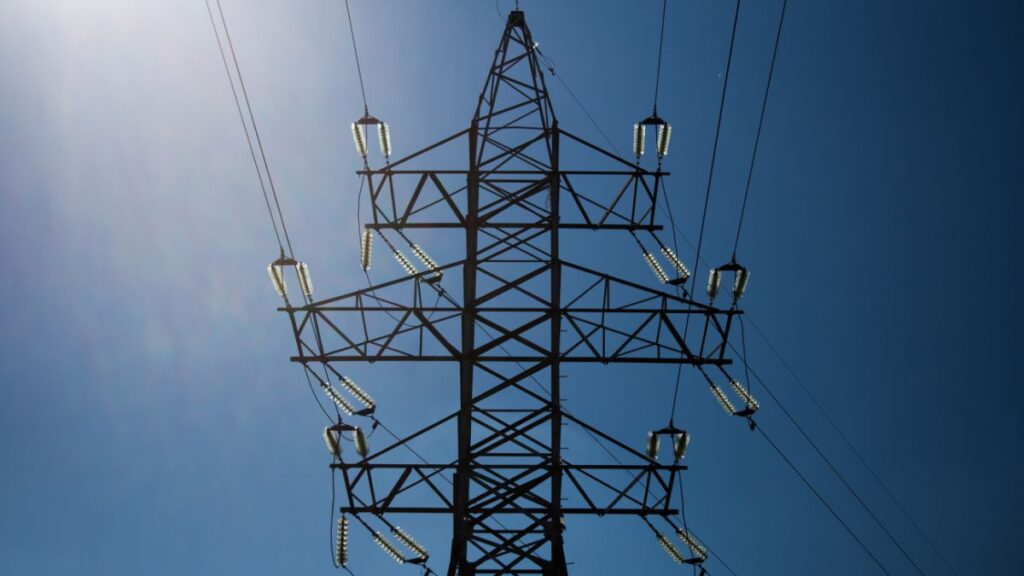
Russia has developed a drone that “cuts” power line poles — according to the Main Intelligence Directorate
19 August 05:56
Russia has developed a special drone designed to target power line towers. Its wings contain explosive charges capable of damaging or cutting through metal.
Major General Vadym Skibitsky, deputy head of the Main Intelligence Directorate of the Ukrainian Ministry of Defense, spoke about the new threat in an interview with RBC-Ukraine, according to "Komersant Ukrainian"
According to Ukrainian intelligence estimates, Russian troops will continue to attack energy, logistics, and civilian infrastructure throughout the fall and winter. Electricity and heating will remain among the most vulnerable sectors during the cold season.
What is known about the new Russian drone
Vadym Skibitsky disclosed only two confirmed characteristics of the drone:
- the drone is designed to target power poles and power lines;
- its wings contain an explosive charge capable of cutting through metal.
Previously, the main targets of massive Russian strikes on the energy sector were power generation and transmission facilities—power plants, substations, transformer equipment, and dispatch infrastructure.
The emergence of this specialized drone may indicate an attempt to supplement these tactics with precision strikes directly on overhead power lines and their metal poles.
Power lines stretch for tens and hundreds of kilometers. Unlike a power plant or a large substation, it is impossible to fully cover them with air defense systems along their entire length.
Damage to a support or the wires can lead to the shutdown of a single line while it is inspected and repaired. The actual consequences for consumers will depend on several factors:
- the voltage class of the damaged line;
- the number of facilities affected simultaneously;
- the ability to route electricity via an alternative path;
- the availability of backup power supply schemes;
- the accessibility of the damage site to repair crews;
- weather conditions and the duration of restoration.
A single strike will not necessarily cause a large-scale power outage. However, a series of attacks in different regions could place an additional strain on repair crews, equipment reserves, and power system dispatch control.
Watch us on YouTube: important topics – without censorship
Why Metal Poles Were Targeted
Metal transmission line towers must withstand significant loads from power lines, wind, ice, and temperature fluctuations. Damage to the structure’s integrity can reduce its stability or make continued operation unsafe.
The claim that the wings contain explosive elements may indicate that the drone is designed for more than just a conventional impact. The likely purpose of the design is to damage the metal during close approach or upon collision with the tower.
At the same time, the Main Intelligence Directorate has not disclosed how the warhead operates.
Russia is conducting reconnaissance of energy facilities via satellites
According to Skibitsky, Ukrainian intelligence draws conclusions about future strikes based on an analysis of enemy activity on Ukrainian territory.
Russia, in particular, uses space-based platforms to monitor critical infrastructure facilities. Satellite reconnaissance can help the aggressor track the locations and conditions of energy, transportation, and industrial facilities.
Which targets might Russia attack in the fall and winter?
According to military intelligence, the main list of Russian targets remains unchanged. The following remain under threat:
- enterprises of the Ukrainian defense-industrial complex;
- military facilities;
- power plants, substations, and power lines;
- heating systems;
- logistics facilities;
- gas stations;
- water supply systems;
- gas transmission infrastructure;
- gas production facilities.
Skibitsky specifically mentioned gas production facilities in the Poltava and Kharkiv regions, which have already been targeted by Russian strikes.
Read us on Telegram: important topics – without censorship