Adaptive plates for people with hand injuries and prosthetics have been developed in Ukraine
27 June 07:46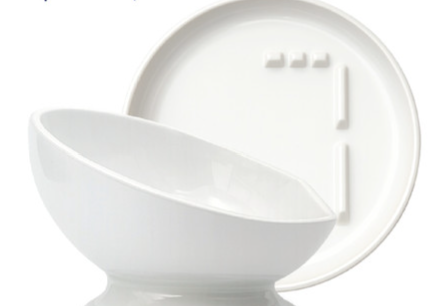
METRO Ukraine, in collaboration with the Superhumans Center for Military Trauma, has developed adaptive tableware for people with upper limb injuries, prosthetics, or motor impairments. The project is featured on the official METRO Ukraine website, according to "Komersant Ukrainian"
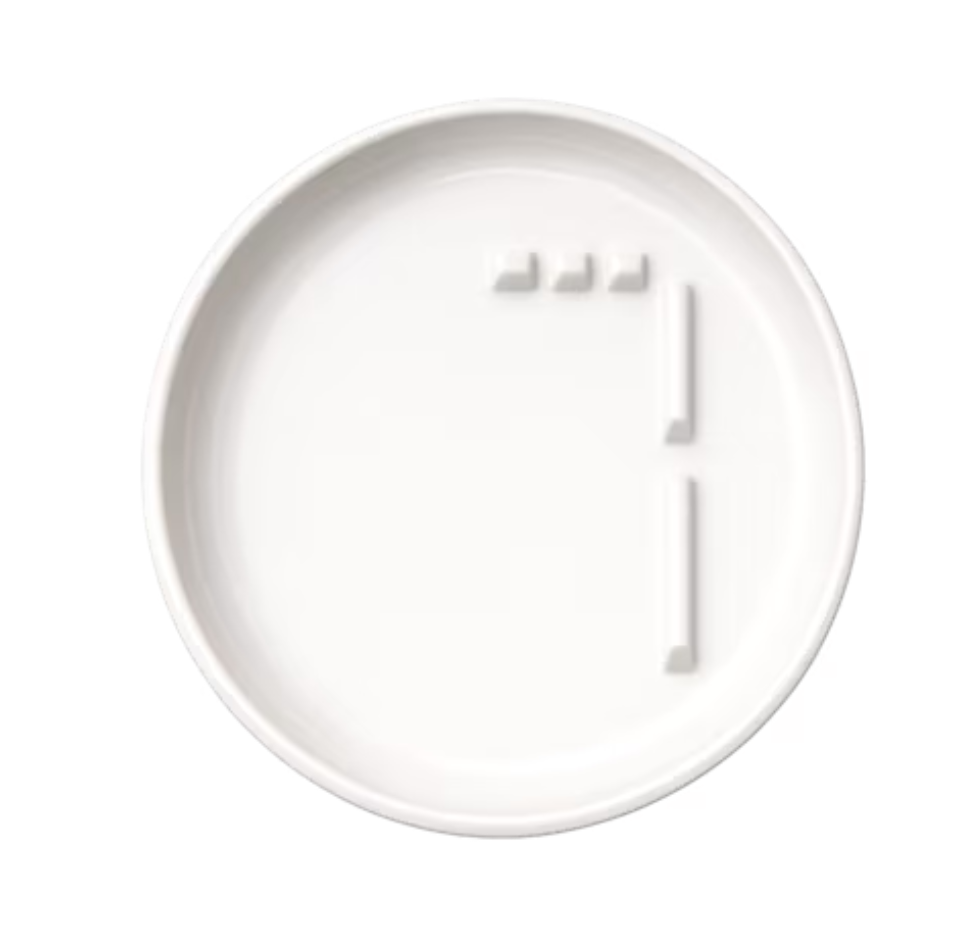
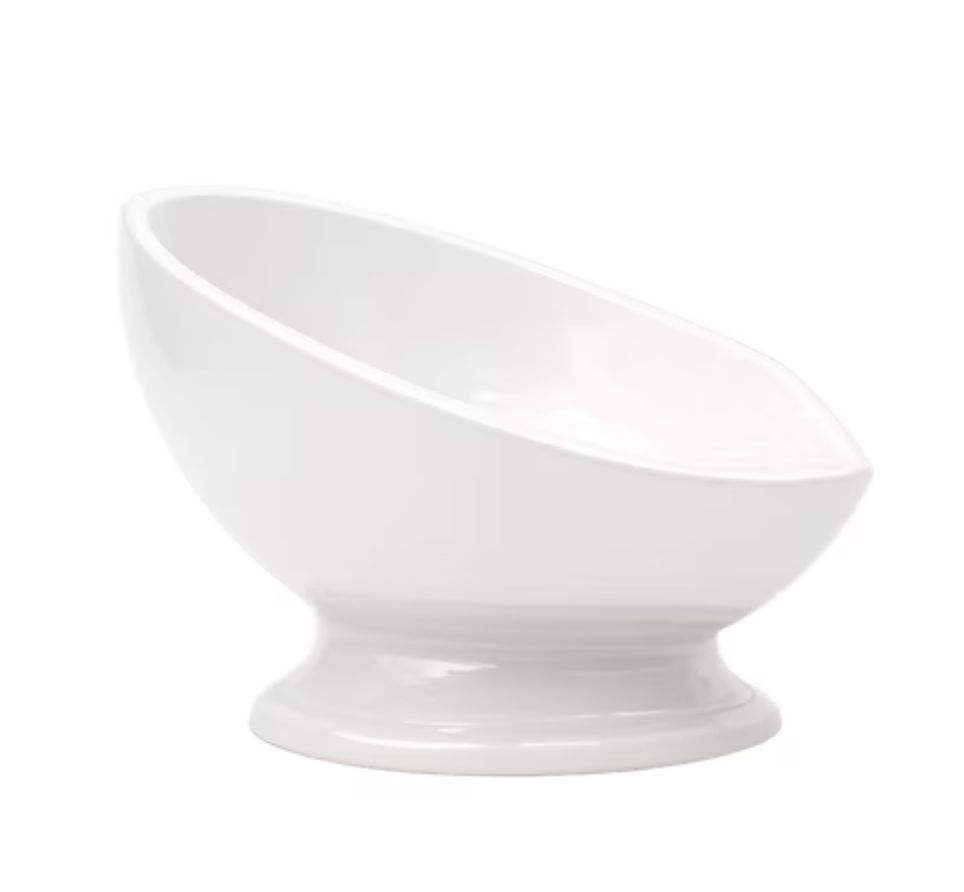
The collection includes two models—a deep plate and a shallow plate. Thanks to their special shape, they are easier to use with one hand or a prosthesis.
Development took about a year and a half. Patients at the Superhumans Center participated in testing, and the center’s lead occupational therapist, Marta Mostetska, helped refine the design.
What adaptive plates did METRO and Superhumans create?
The teams at METRO Ukraine and the Superhumans Center developed two types of tableware:
- a flat plate;
- a deep plate.
They are designed for people who have difficulty holding dishes or using utensils with both hands.
Read us on Telegram: important topics – without censorship
The adaptive design can be helpful for people:
- with upper limb injuries;
- who have undergone an arm amputation;
- who use prosthetics;
- with limited hand mobility;
- with impaired fine motor skills;
- during recovery from surgery or injury;
- with neurological disorders affecting coordination.
METRO notes that this tableware can be used both at home and in restaurants, cafes, hospitals, and rehabilitation centers.
How the Special Plate Design Works
The main purpose of adaptive plates is to help people serve themselves with a spoon or fork without having to hold the plate with their other hand.
To achieve this, the designers incorporated:
- rims with a modified geometry;
- a ribbed surface on the inside;
- a stable, rubberized bottom;
- a shape designed for one-handed use;
- the ability to use the dish with a prosthetic limb.
The raised edges help you scoop up food with utensils and prevent it from falling off the plate.
The ribbed inner surface helps secure food while serving.
The rubberized bottom reduces the plate’s tendency to slide across the table, so the user doesn’t need to constantly hold it in place with their other hand.
One of the test participants was Zakhar Biryukov, a veteran and graduate of the Superhumans Center.
After testing the adaptive tableware, he described the product as “plates that keep food from falling out.”
Watch us on YouTube: important topics – without censorship
The tableware was tested by the future users themselves
The developers decided not to limit themselves to just design or technical testing.
The plates were tested by people with real-life experience of injuries, amputations, prosthetics, and motor recovery.
Superhumans patients evaluated:
- the stability of the tableware;
- the convenience of the rims;
- the ability to scoop up different types of food;
- one-handed use;
- how the plate interacts with a prosthesis;
- comfort during daily meals;
- the shape and depth of the products.
Based on their feedback, the design was refined.
Thus, the final product was created not only for people with motor impairments, but also in direct collaboration with them.
Watch us on YouTube: important topics – without censorship