Oil Exports Through the Strait of Hormuz: The U.S. Has Secretly Established a Maritime Corridor
20 August 15:43
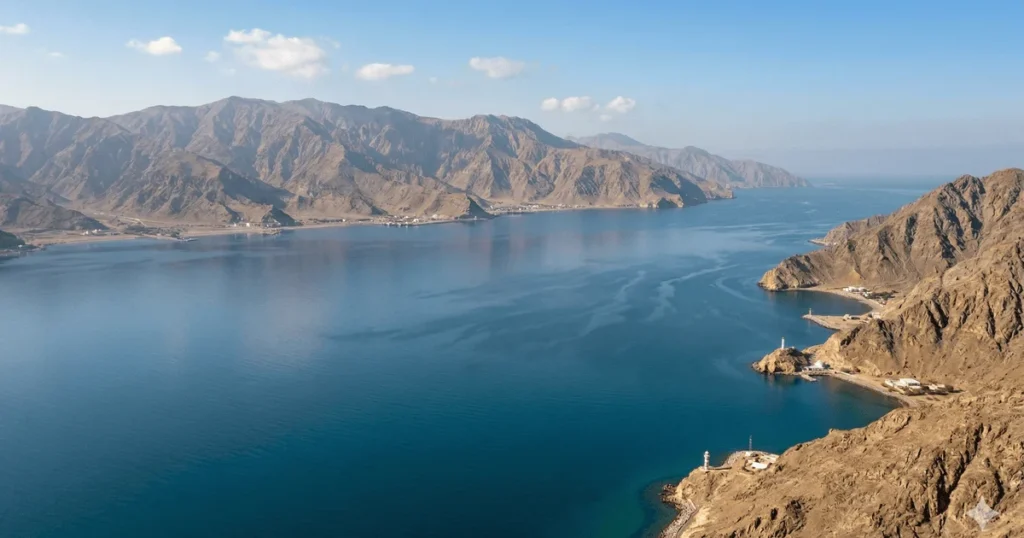
The U.S. Armed Forces have secretly established a maritime route for ships to pass through the Strait of Hormuz, allowing millions of barrels of oil to be transported daily. This was reported by Axios, citing two U.S. officials, according to "Komersant Ukrainian".
According to them, 15 to 20 tankers pass through the southern channel off the coast of Oman every night, supplying about 10 million barrels of oil to the global market—roughly half of the pre-war volume. Officials from U.S. President Donald Trump’s administration note that these shipments have a “significant impact” on the global oil market.
Washington claims that the U.S. controls the southern part of the Strait of Hormuz
The U.S. military is assisting tankers as they enter the Persian Gulf through the Strait of Hormuz, load oil, and exit the waters, Axios reports.
“We have been controlling the southern part of the Strait of Hormuz for two months now. The Islamic Revolutionary Guard Corps (IRGC) may cause some disruptions, but it does not control the strait. We do,” says one of the officials.
The task force overseeing the operation in the Strait of Hormuz operates out of U.S. Army headquarters at Fort Bragg (North Carolina). It coordinates actions with partners in the Persian Gulf countries. At the same time, a daily list is compiled of vessels leaving the Persian Gulf through the Strait of Hormuz into the Arabian Sea, as well as a list of chartered, unloaded tankers that sail from the Gulf through the strait to ports in Gulf countries to load oil.
At night, the ships move in a convoy at specific intervals. The tankers pass through the southern channel, following instructions from the U.S. military. Meanwhile, the U.S. Air Force has fighter jets in its arsenal that provide protection against Iranian cruise missiles and UAVs, Axios notes.
Tehran’s monitoring capabilities are limited
According to U.S. officials, this approach was made possible by a recent two-week military operation by U.S. Central Command (CENTCOM), during which Iranian radar and maritime surveillance systems were disabled.
Tehran’s monitoring capabilities are limited. These efforts involve the use of a few restored radars, as well as IRGC forces on small high-speed boats. Meanwhile, Iran’s cruise missiles and UAVs are launched roughly in the direction of the vessels’ potential movement, Axios reports.
For example, earlier this week, the U.S. military shot down eight Iranian drones and two missiles, according to a U.S. official.
Watch us on YouTube: important topics – without censorship