The EU is preparing sanctions against Chinese companies for aiding Russia in the war
4 June 13:52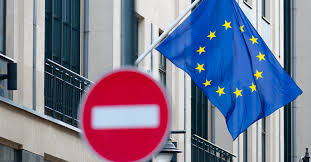
The European Union is preparing new sanctions against Chinese companies that, according to European officials, are helping Russia sustain its war against Ukraine. Four Chinese entities are reportedly set to be included in the EU’s next sanctions package. This was reported by Politico, as noted by "Komersant Ukrainian"
The sanctions are expected to be discussed in the near future at a meeting of EU foreign ministers.
The new package, referred to as a “mini-package,” is intended to be a separate step while Brussels simultaneously prepares a larger 21st package of sanctions against Russia.
This list is part of a broader EU strategy aimed not only at putting direct pressure on Moscow but also at punishing those who help it circumvent restrictions and sustain its military machine.
How, according to the EU, are Chinese companies helping Russia?
According to a document reviewed by Politico, those on the new sanctions list may be linked to three critical areas of support for Russia:
- support for Russia’s shadow fleet;
- supplying chemicals for military purposes;
- supplying components for the production of attack drones.
In essence, this refers to infrastructure that allows Russia to partially offset losses from sanctions already in place and continue the war against Ukraine.
Watch us on YouTube: important topics – without censorship
Tensions between the EU and China are rising
New potential sanctions could significantly complicate relations between Brussels and Beijing. China has already warned that it will respond with “decisive countermeasures” in the event of new restrictions from the European Union.
Against this backdrop, the sanctions issue is compounded by a trade conflict. The European Commission, led by Ursula von der Leyen, is pushing for tougher measures against subsidized Chinese imports.
Thus, pressure on Chinese companies via Russia could quickly escalate into a broader political and economic confrontation between the EU and China.
Sanctions will affect more than just China
In addition to Chinese companies, the new package may also include:
- five companies from the UAE;
- three companies from Turkey;
- one company from Azerbaijan;
- subsidiaries of Russia’s Lukoil;
- dozens of individuals and entities linked to supporting Russia’s war.
In this way, the European Union is demonstrating that it is prepared to sanction not only Russian entities but also the network of international intermediaries through which Moscow supports energy exports and military production.
The EU also aims to target Russia’s oil revenues
At the same time, EU countries are discussing the parameters of the upcoming 21st sanctions package. One of the main ideas is to maintain the current price cap on Russian oil.
This is important because the current mechanism expires in July. If it is not extended in its current form, the price cap will automatically rise amid rising global energy prices. Some EU countries are insisting on maintaining the current level to prevent an increase in Moscow’s oil revenues.
A tougher stance against the Russian energy sector
Separately, the Nordic and Baltic countries are pushing for broader sanctions against key Russian energy giants—Lukoil, Gazprom, Novatek, and Rosneft.
In addition, they are calling on the EU to completely terminate any contracts with the Russian nuclear industry. If these proposals are supported, the economic pressure on Russia will be significantly broader than in previous sanctions packages.
Why this is important for Ukraine
For Ukraine, increasing sanctions pressure on Russia and its international partners is of fundamental importance. If the EU begins targeting not only Russia itself but also companies in China, Turkey, the UAE, and Azerbaijan, this will signify an attempt to block channels for circumventing sanctions.
This tactic could prove far more effective than targeted restrictions against Russian companies alone. After all, the harder it becomes for Moscow to obtain components, sell oil, and maintain its shadow fleet, the weaker its ability to finance the war against Ukraine will become.
Read us on Telegram: important topics – without censorship