By the end of the year: Russia will extend its ban on gasoline exports
26 July 05:14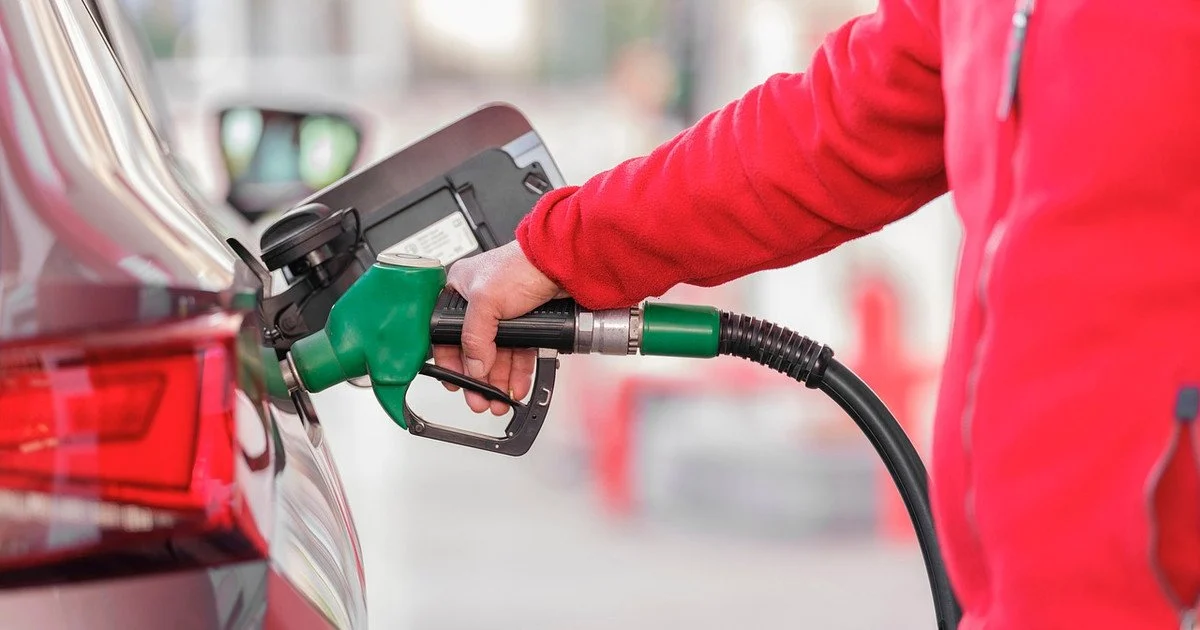
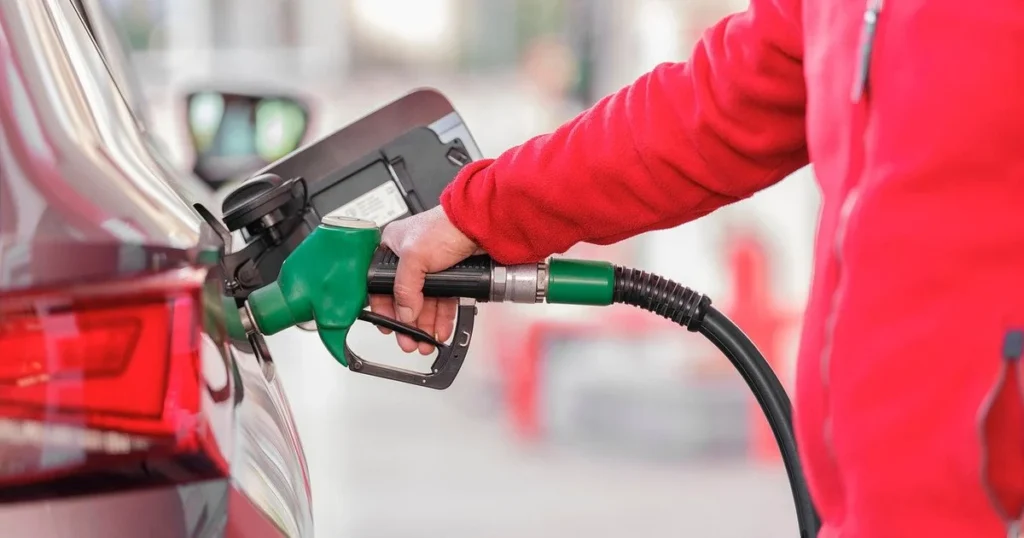
Russian Deputy Prime Minister Alexander Novak announced the extension of the ban on the export of automotive gasoline from Russia through the end of this year. The decision, adopted at a meeting of the relevant task force, will apply to both fuel producers and non-producers. This was reported by "Komersant Ukrainian", citing Russian propaganda media.
“Regarding the ban on gasoline exports, we also decided at the task force meeting to extend it for both producers and non-producers. In other words, it will be extended until the end of the year,” the media quoted Novak as saying.
At the same time, the government intends to take a different approach regarding diesel fuel. According to the deputy prime minister, the ban on diesel exports will be lifted “as the market recovers” so that oil refineries do not face difficulties with surpluses and a decline in processing volumes. Novak emphasized that once the domestic market is fully saturated, resuming diesel fuel exports will be critical to maintaining full capacity utilization at Russian refineries.
Watch us on YouTube: important topics – without censorship
The decision to restrict petroleum product exports was implemented in stages. Initially, on April 1, a ban on jet fuel exports was introduced; on June 1, a ban on gasoline exports took effect; and on July 8, the government extended the restrictions to include diesel fuel exports.
Earlier, Novak described the situation in the fuel sector as “challenging.” He cited damage to a number of refineries caused by drone attacks as the reason for the temporary reduction in gasoline production. According to a government decree, the ban on diesel fuel exports was initially set to remain in effect until July 31, 2026.
According to Reuters estimates, Russia lost about 40% of its refinery capacity as a result of strikes on oil refining facilities. In the second week of July, gasoline production fell to 75,000–80,000 metric tons per day, while demand during the summer peak reaches 115,000–120,000 metric tons. According to media estimates, in June and July of this year, full or partial restrictions on fuel sales were imposed in 80 regions, including Russian territories and occupied Ukrainian territories.
Read us on Telegram: important topics – without censorship