Hours-long lines at airports: how the EES system has impacted operations at European airports
16 April 13:47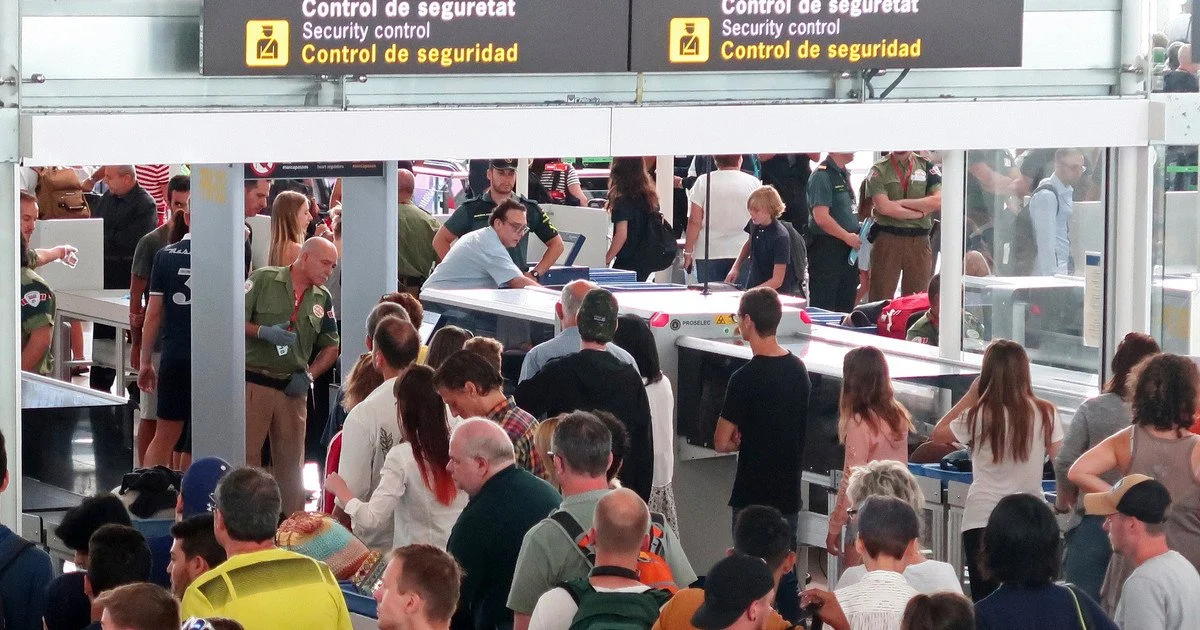
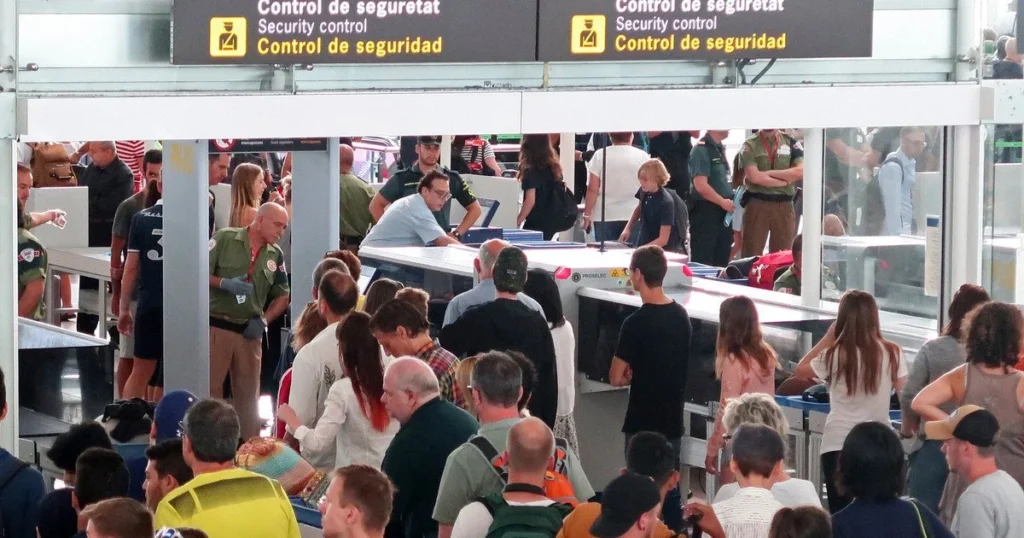
European airports are reporting significant delays following the full launch of the Entry/Exit System (EES). According to Airports Council International, passengers in various countries are forced to wait up to three hours at border control, reports "Komersant Ukrainian".
The Airports Council International (ACI) warns that the new EES biometric border control system, which became fully operational on April 10, has created hours-long lines at airports in France, Germany, Belgium, Italy, Spain , and Greece, and the situation threatens to turn into a “collapse” by the summer tourist season.
Indeed, Olivier Jankovec, head of ACI’s European division, stated that during peak hours, passengers are already forced to wait up to three hours. Ryanair CEO Michael O’Leary called the system “a complete disgrace and a mess” and compared it to “punishment for Brexit.” He called for the full launch of the EES to be postponed until October, citing queues of up to four hours at a number of airports.
Industry representatives demanded that the European Commission allow border services to completely suspend the system in the event of excessive delays.
At Milan’s Linate Airport, only 34 of the 156 passengers on an EasyJet flight to Manchester managed to board—the remaining 122 failed to clear security in time, and the plane departed without them. The airline offered free ticket rebooking but refused to take responsibility for what happened.
The EU’s Position
Meanwhile, the European Commission disagreed with the criticism: according to its data, the system is operating normally, and processing a single traveler takes an average of 70 seconds. ACI calls this figure unrealistic—according to the organization’s calculations, the actual time for the procedure is five times longer.
The system has been rolled out in phases since October 2025—the Czech Republic, Estonia, and Luxembourg were the first to launch it. EES has replaced the manual stamping of passports. Now, third-country nationals, including Ukrainians, undergo biometric registration upon entering the Schengen Area —submitting a photo and fingerprints. As of April 10, 2026, all 29 Schengen countries have transitioned to the system. EU citizens, residence permit holders, and diplomats are exempt from the procedure.
According to statistics: — Since October 2025, there have been over 52 million border crossings via the EES — About 27,000 entry refusals — ~700 people identified as potential threats
What this means for travel: — Allow more time for border control — Be prepared for lines, especially during peak hours — The first trips after the system’s launch may be the slowest