
The Bank of Japan raised its interest rate to 1995 levels
16 June 15:13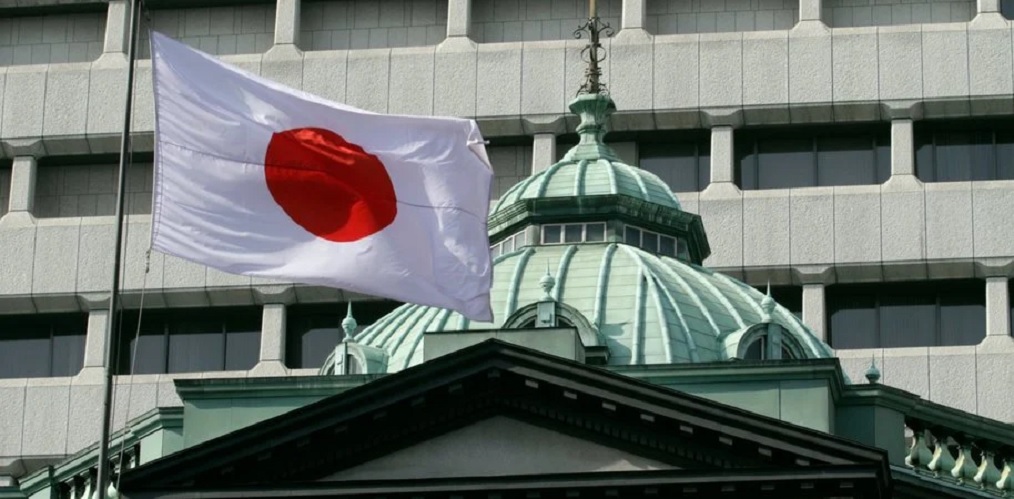
The Bank of Japan decided to raise its key interest rate from 0.75% to 1%, the highest level since 1995. This decision was made against a backdrop of rising inflation, a weak yen, and higher oil prices.
This was reported by The Japan Times, according to "Komersant Ukrainian".
Reasons for the Increase
Inflation and a weak yen
Recently, the Japanese yen has been trading around 160 yen per dollar.
The publication notes that this exchange rate is causing concern among investors, who view it as a potential trigger for currency intervention.
Additionally, rising energy prices caused by tensions in the Middle East are exacerbating inflationary pressures.
Read us on Telegram: important topics – without censorship
Oil Prices
Oil prices continue to rise, putting further pressure on the Japanese economy.
This prompted the Bank of Japan to decide to raise interest rates to curb inflation and stabilize the economic situation.
The Bank of Japan also announced a temporary suspension of the tapering of government bond purchases starting in April 2027 to support market stability.
“Previously, the central bank had been gradually reducing its purchases in an effort to give the market more freedom in determining long-term rates,” the publication reported.
In December 2025, the Bank of Japan had already raised interest rates to levels the country hadn’t seen in three decades—from 0.5% to 0.75%.
Watch us on YouTube: important topics – without censorship









