The budget falls short by up to 2 billion hryvnia each year: a fragmentation of sushi chain businesses has been observed
6 July 07:15
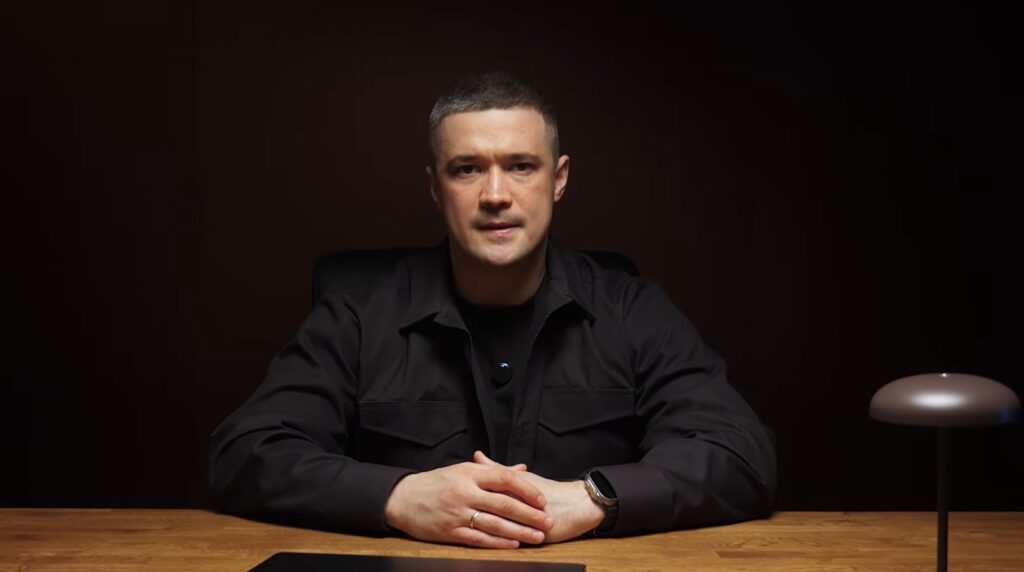
Danylo Getmantsev, chairman of the parliamentary committee on finance, tax, and customs policy, stated that the vast majority of sushi chains in Ukraine are able to operate by splitting their businesses among individual entrepreneurs in order to avoid paying value-added tax. Delo.ua reported this, citing a video address by the politician, as reported by "Komersant Ukrainian".
According to him, some chains with billions in revenue are not registered as a single business, even though they have sophisticated marketing, websites for online orders, and advertising. Getmantsev believes that this model allows them to avoid paying taxes, particularly VAT.
As an example, he cited the “Osama Sushi” chain, which, according to his data, has 170 locations in 91 cities and operates through 850 sole proprietorships under the simplified tax system.
Last year, the chain paid 1.4 million hryvnias to the state budget, and 139,000 hryvnias the year before, Getmantsev noted. By comparison, he said, conscientious taxpayers in this sector, with a turnover four times smaller, pay about 210 million hryvnias per year.
He estimated the losses to the state and local communities from the payment of salaries “under the table” in this chain at 368 million hryvnias per year. According to his data, employees officially declare salaries of 8,000 UAH, while the average salary for a sushi chef in the industry is 44,500 UAH. Getmantsev estimated the total losses from potential tax evasion by “Osama Sushi” at 1.5–2 billion hryvnias per year.
He cited the “SushiStory” chain, formerly known as “Sushi Wok,” as another example. It has 54 locations in Ukraine and, according to the committee chair, uses 162 sole proprietorships in the second tax group and three in the third tax group. Getmantsev estimated the state’s potential losses from its operations at 272.5 million hryvnias per year.
Getmantsev reported that he has already contacted the Economic Security Bureau and the State Tax Service, providing them with documentation, receipts, and photographic evidence. He is demanding that audits be conducted and has called on representatives of the restaurant industry to abandon the practice of splitting up businesses.
Watch us on YouTube: important topics – without censorship