Brent Suffers Its Biggest Drop Since April: What Happened in the Oil Market
28 July 10:47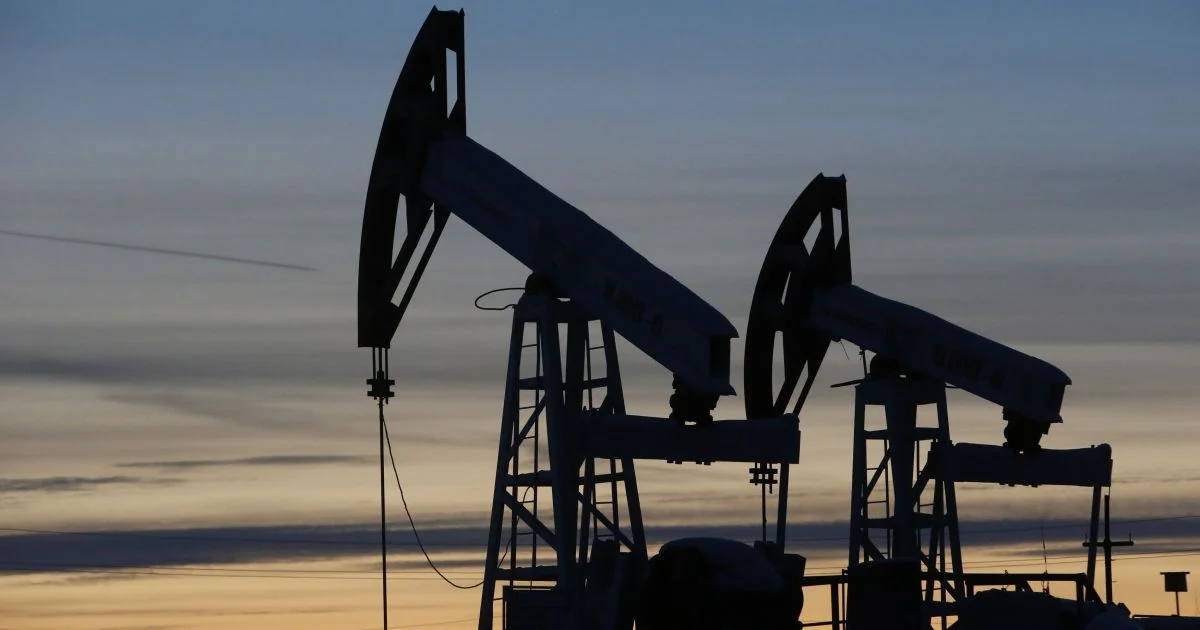
Global oil prices fell sharply after hostilities between the U.S. and Iran temporarily ceased. At the close of trading on Monday, benchmark Brent crude posted its biggest one-day drop since April, while U.S. WTI also fell significantly in price. CNN reported this, according to "Komersant Ukrainian"
Investors reacted positively to the easing of tensions in the Middle East, but analysts warn that the situation remains unstable due to the risk of attacks on maritime shipping routes.
Brent fell more than 11%
At the close of trading:
- Brent fell 11.3% to $85.87 per barrel;
- U. S. WTI crude lost about 7% and fell to $82.61 per barrel.
This marked the largest single-day drop in Brent prices since April 8. This sharp decline followed reports of a ceasefire between the U.S. and Iran.
Why prices plummeted
U.S. President Donald Trump stated that American strikes against Iran had been halted at the request of the Iranian side.
At the same time, he warned that the United States could resume military action if a new ceasefire agreement is not reached.
It was precisely this temporary reduction in the risk of a large-scale war that was the main reason for the drop in oil prices. Investors began to expect that oil supplies from the region would not suffer any critical disruptions.
The Strait of Hormuz is not operating at full capacity
Despite the easing of tensions, key shipping routes remain under pressure.
According to CNN, ship traffic through the Strait of Hormuz is still significantly lower than it was before the conflict began.
While approximately 100 commercial vessels passed through this waterway daily before the war, as of Monday morning, fewer than ten cargo ships had been recorded.
The Strait of Hormuz is one of the most important routes for global oil exports, so any disruptions directly affect global prices.
Watch us on YouTube: important topics – without censorship
A New Risk: Houthi Attacks
Another source of uncertainty remains the possibility of attacks by the Yemeni Houthis, who are supported by Iran.
This refers to the risk of strikes against Saudi Arabian oil tankers in the Bab el-Mandeb Strait, which connects the Red Sea to the Gulf of Aden.
Analysts at Deutsche Bank note that simultaneous threats to the Strait of Hormuz and the Bab el-Mandeb Strait could create serious problems for global oil exports.
“The main parties to the conflict have called a truce, but it remains very fragile, especially given the activities of other parties,” the bank’s analysts noted.
How the stock markets reacted
U.S. stock exchanges reacted cautiously to the news.
At the close of trading:
- The Dow Jones rose 0.51%;
- The S&P 500 gained 0.02%;
- The Nasdaq fell by 0.18%.
Investors continue to assess the prospects for developments in the Middle East and their impact on the global economy.
Why this matters for Ukraine
Global oil prices directly affect fuel costs, transportation expenses, and inflation.
If the downward trend in oil prices continues, it could potentially ease pressure on the global fuel market. At the same time, experts emphasize that any new escalation between the U.S., Iran, or groups supported by Tehran could quickly send prices back up.
Therefore, the current market decline is viewed for now as a reaction to a temporary easing of geopolitical tensions, rather than the start of a long-term trend.
Read us on Telegram: important topics – without censorship