Oil Prices Have Plummeted: What Happened Between the U.S. and Iran
27 July 11:50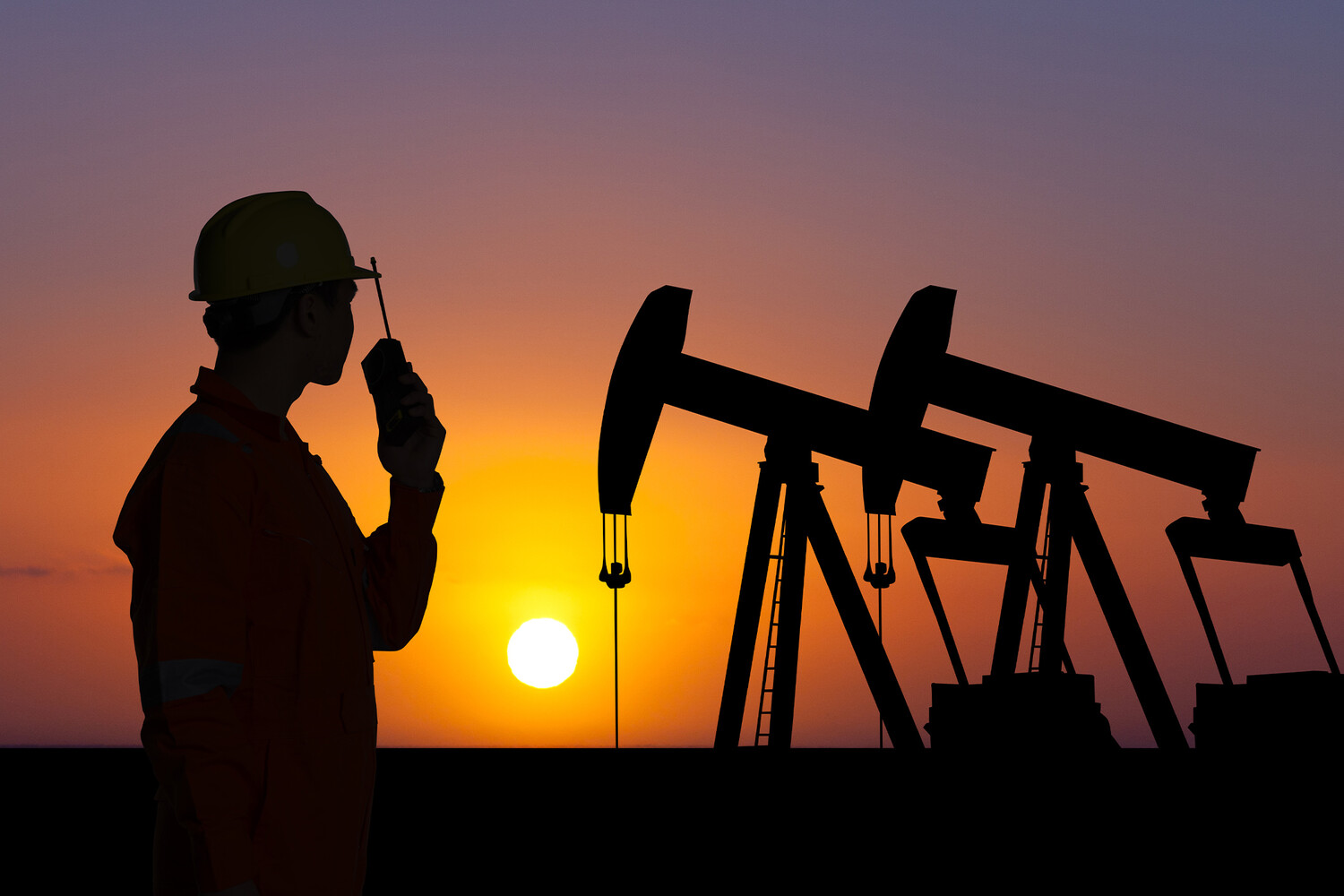
Global oil prices fell sharply at the start of the new trading week after the U.S. and Iran temporarily suspended their mutual attacks. At the opening of trading in London, benchmark Brent crude fell by more than 4%, while U.S. West Texas Intermediate (WTI) also lost more than 4% of its value. This was reported by the Financial Times and Reuters, according to "Komersant Ukrainian"
How much do Brent and WTI crude oil cost?
At the start of trading:
- Brent fell to about $92 per barrel;
- WTI fell to about $85 per barrel.
During the Asian trading session, prices even briefly dipped below the psychological threshold of $90 per barrel for Brent, after which they partially recovered their losses.
Why oil prices fell
The main reason was the temporary halt to military escalation between the U.S. and Iran.
According to Reuters, the U.S. military has not launched any new strikes on Iranian territory in recent days, and Tehran has also refrained from new attacks on U.S. targets. This has heightened expectations that the parties may return to diplomatic negotiations.
U.S. Ambassador to the UN Mike Volz stated that President Donald Trump has decided to give diplomacy more time before making further military decisions.
Why the Strait of Hormuz Is So Important
The Strait of Hormuz is one of the key transportation corridors for the global energy sector.
Before the current escalation, it handled about 20% of global oil shipments and a significant portion of liquefied natural gas exports.
Any threat to shipping in this region instantly affects global stock markets and energy prices. It was precisely because of the risks of the strait being blocked that oil prices previously rose to $100 per barrel —the highest level in several months.
Does this mean the end of the oil crisis?
Despite the sharp drop in prices, analysts do not consider the situation to be fully stabilized.
According to experts, shipping through the Strait of Hormuz has not yet returned to normal.
In addition, risks to supplies persist due to tensions in the Red Sea and attacks by Yemeni Houthis, which could affect alternative energy transport routes.
Watch us on YouTube: important topics – without censorship
How This Affects Fuel Prices
A decline in oil prices could potentially curb further increases in gasoline and diesel prices.
However, the effect on end consumers is usually felt with a delay, as retail prices are also influenced by:
- logistics costs;
- taxes;
- exchange rates;
- stocks of petroleum products;
- the situation on the domestic market.
In the U.S., the average price of gasoline currently exceeds $4 per gallon, which is significantly higher than before the conflict escalated.
What the markets expect next
Investors are closely monitoring any signs of a possible resumption of negotiations between Washington and Tehran.
If the ceasefire holds, oil prices may continue to remain below recent peak levels.
However, analysts warn that any new escalation of tensions around the Strait of Hormuz or disruptions to oil exports could quickly push Brent back to $100 per barrel and higher.
Read us on Telegram: important topics – without censorship