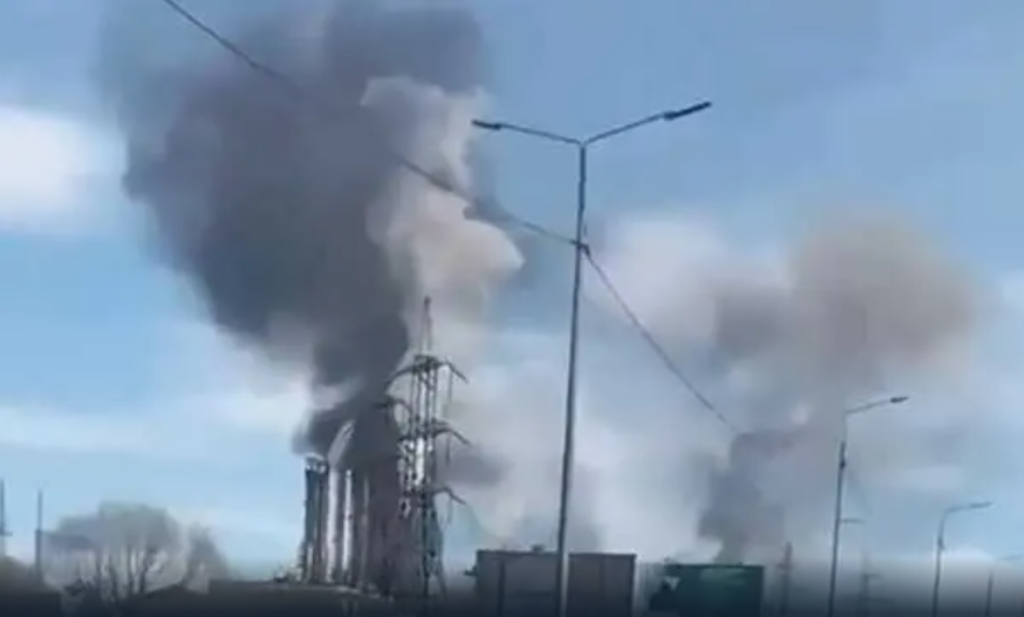
Ukrainian drones struck a Russian chemical plant that produces raw materials for ammunition
14 April 05:21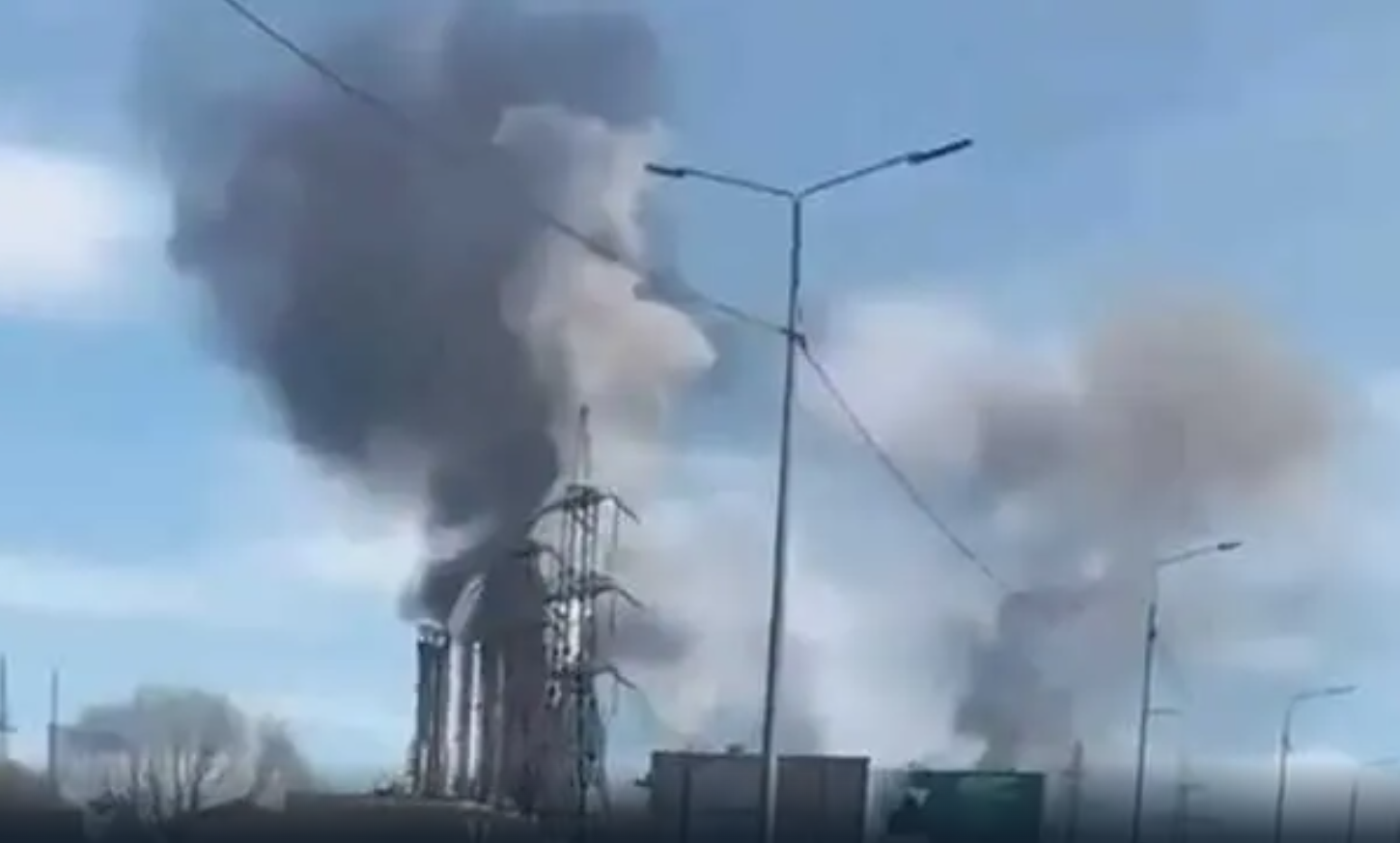
Ukraine’s Unmanned Systems Forces have launched a powerful strike against the Russian chemical plant “PhosAgro” in Cherepovets, Vologda Oblast. The plant produces raw materials that are crucial for the Russian defense industry and the manufacture of ammunition. The successful attack was reported by the commander of the Unmanned Systems Forces, Robert “Madyar” Brovdi, according to "Komersant Ukrainian"
Where exactly did the Ukrainian drones strike?
On the night of April 13, drones attacked an industrial zone in Cherepovets, Russia, where the “Apatit” plant, part of the “PhosAgro” group, is located. This facility was the target of the Ukrainian drones.
According to available information, a fire broke out at the plant following the strike. Russian authorities officially reported only the alleged downing of the drones, but made no mention of the facility itself being hit.
Why this plant is important for the Russian defense industry
Commander of the Unmanned Systems Forces Robert “Madyar” Brovdi explained that the attacked chemical plant produces hundreds of thousands of tons of ammonia, nitrate, and nitric acid every year.
According to him, these products are used as raw materials for the manufacture of:
- TNT;
- hexogen;
- other components for ammunition production.
Thus, the strike was not merely directed at a civilian industrial facility, but at a plant serving the needs of the Russian military machine.
What Robert “Madyar” Brovdi said
The Commander of the Unmanned Systems Forces confirmed the strike on the facility on his Telegram channel. In his characteristic manner, he wrote:
“Happy Apatite” to the Cherepovets Chemical Plant — “SBS Birds” Easter eggs have been delivered.”
He later clarified that the target was a chemical giant producing critically important raw materials for the Russian defense industry.
What damage did the plant sustain?
According to OSINT analysts, the main blow fell on ammonia production. It is reported that at least two workshops were hit— “Ammonia-1” and “Ammonia-2.”
Their combined capacity is estimated at approximately 900,000 tons per year.
If this information is confirmed, it represents a serious blow to one of the key sectors of chemical production that can be used in the military sphere.
Why this attack matters
The strike on the chemical plant in Cherepovets is of strategic importance, as it is aimed at weakening the production base that helps Russia maintain its ammunition output.
In effect, Ukrainian drones struck a link in the chain that supplies raw materials to the Russian military-industrial complex. This means not only material losses for the plant but also potential difficulties for the continued production of explosive components.
What is known about the Russian side’s reaction
Following the attack, the authorities in the Vologda region did not officially acknowledge the damage to the plant. Public statements only mentioned the alleged downing of drones.
However, at the same time, reports emerged of a fire on the plant’s premises, which only heightened attention to the consequences of the strike.