Exports are at their peak, herds are shrinking: are there risks for the cattle market?
15 April 15:55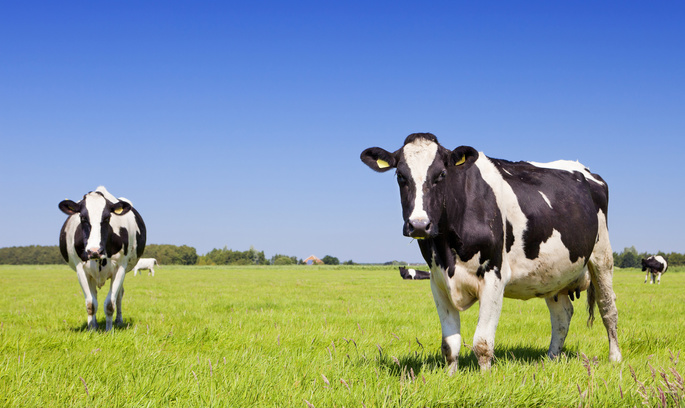
In March 2026, Ukraine saw a sharp increase in exports of cattle and beef. The reasons include low domestic milk prices, favorable conditions in foreign markets, and a global shortage of red meat. This was reported by the Milk Producers Association , citing the State Customs Service of Ukraine, according to "Komersant Ukrainian".
Key figures: exports of live cattle
- 2,790 metric tons of cattle (live weight)
- 58% compared to February
- 12% by March 2025
- Revenue — $5.26 million
- 16% month-over-month
- 6% year-over-year
January–March:
- 5,530 tons (6.1%)
- $11.61 million (10%)
This indicates a steady recovery in exports in 2026.
A sharp jump in fresh beef exports
- March: 467.2 tons
- 102% compared to February
- Over three months:
- 991 tons worth $7.61 million
- an increase of nearly 23 times year-over-year
This is one of the most dynamic segments—essentially growing from zero to significant volumes.
Frozen beef: steady growth
- March: 1,670 tons (
)
- 31% compared to February
- 10% compared to last year
- Revenue: $7.37 million
- 27% MoM
- 31% y/y
For the quarter:
- 3,910 tons (-8%)
- $17.8 million (13%)
Volumes have dipped slightly, but revenues are rising thanks to prices.
Imports: mixed trends
- Chilled beef:
- 19.3 tons (41% MoM, 23% YoY)
- Frozen:
- 83.5 t (20% MoM, -51% YoY)
Ukraine remains a net exporter, but certain segments are imported.
Trade balance
- surplus in March — $15.21 million
Exports significantly exceed imports.
Why exports are growing
Analysts identify several key factors:
Domestic market:
- low milk purchase prices → farmers are selling livestock more often
External demand:
- high prices on global markets
- partial shortage of red meat
Production economics:
- it is more profitable to export than to keep a herd
Hidden problem: reduction in livestock numbers
In parallel with the growth in exports:
- the cattle herd has decreased by 16%
- the number of cows—by 17%
This creates the risk that the current growth is short-term, driven by herd reduction.
What does this mean
In the short term:
- an increase in foreign exchange earnings
- increased exports
In the long term:
- risk of reduced production
- potential shortage of raw materials (milk and meat)
- structural changes in the agricultural sector