The Energy Sector Under Siege: Will Ramstein Help Avert a Collapse This Winter?
19 January 19:33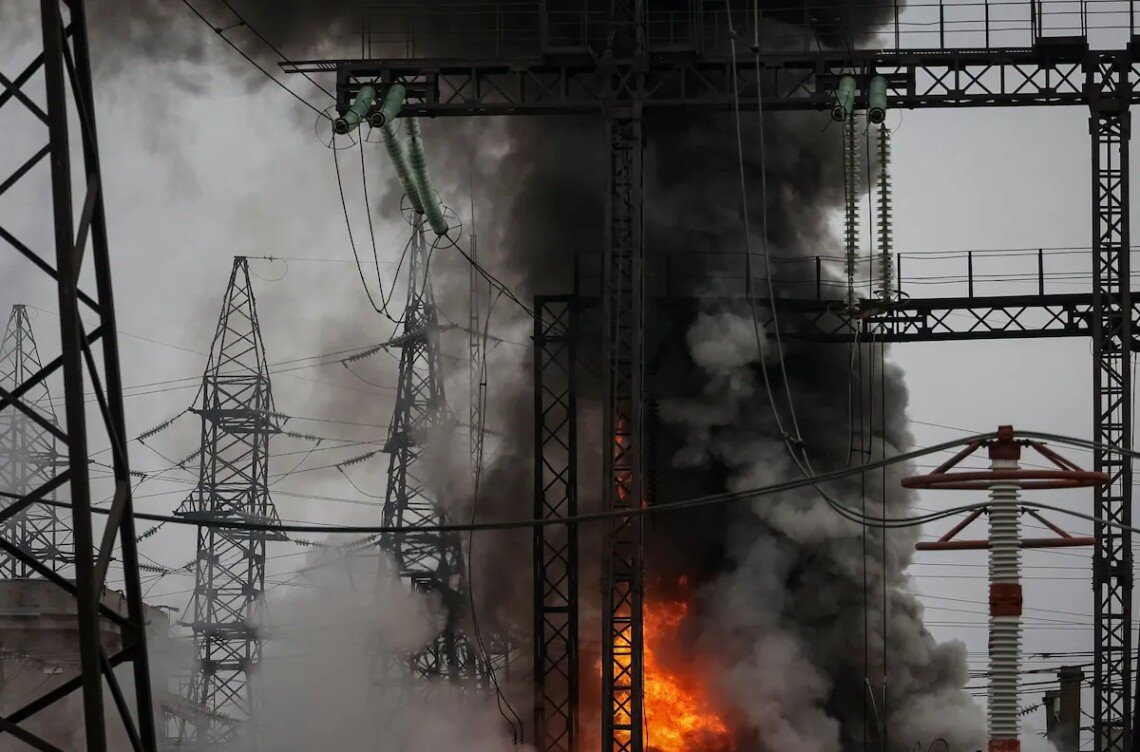 РОЗБІР ВІД
Ukraine is seeking international aid for its energy sector. At the request of the president and prime minister, the Ministry of Foreign Affairs is convening an “Energy Ramstein” summit and working with partners to secure additional contributions and concrete commitments of support
According to Foreign Minister Andriy Sybyga, Ukraine is convening the Energy Ramstein, where it hopes to secure additional contributions and concrete commitments from its allies.
“We are in constant contact with the European Energy Community regarding the replenishment of the Ukraine Energy Support Fund and the procurement of equipment using the fund. We are also engaging all international mechanisms: the EU Civil Protection Mechanism, the Energy Charter, and other international organizations,” the minister shared.
Additionally, according to the minister, a large $200 million package from Norway is already in place this week—for the purchase of gas and equipment. Italy has already begun supplying high-capacity industrial boilers (ranging from 550 to 3,000 kW) totaling 1.85 million euros, which will assist the hardest-hit communities.
“We expect new bilateral energy support packages from other partners in the very near future. Additional bilateral packages to support air defense capabilities are also on the way,” the minister noted.
Without Western assistance, it will be difficult to rebuild what has been destroyed
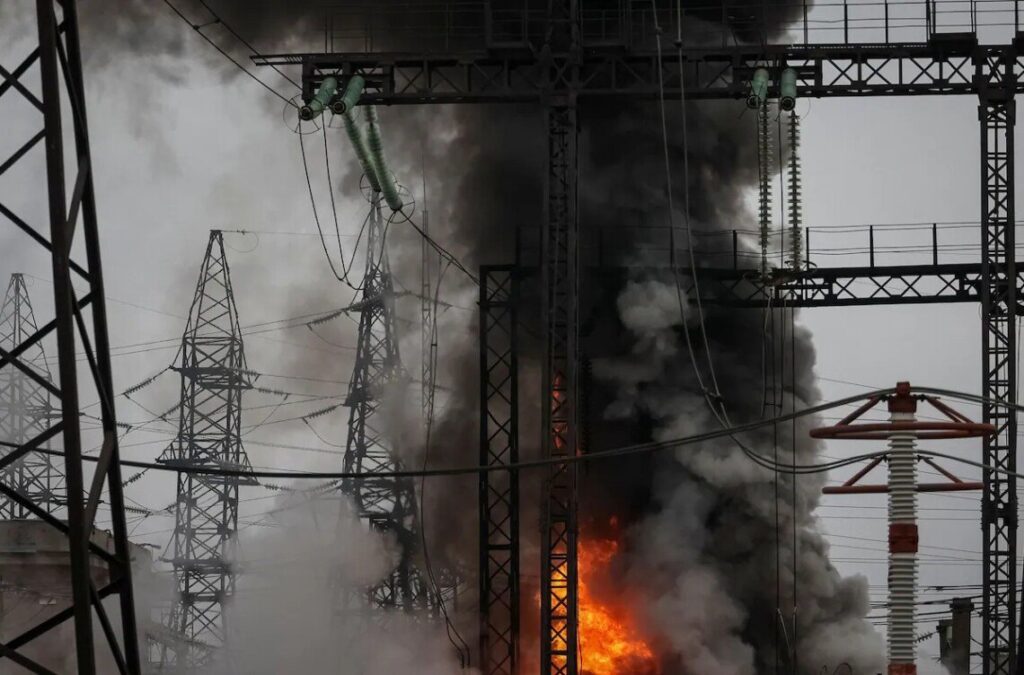
The fact that Ukraine is convening the Energy Ramstein is a logical response to the new challenges of this winter: in addition to strikes on energy facilities causing serious damage, there are also cold snaps not seen in the last five or more years. All of this together leads to even more widespread blackouts.
“This winter is the hardest. So it makes sense that the Ukrainian government has invited friendly countries to participate in the Energy Ramstein, where there will be a specialized collection of aid specifically for Ukraine’s energy sector—to address the consequences and transfer equipment to Ukraine. Perhaps some countries will send repair crews of energy specialists, since there is a catastrophic shortage of their own,” he said in a comment
. "Komersant Ukrainian"
According to the expert, there are already some results. Without waiting for Ramstein, some countries have allocated aid: 20 million pounds from the UK, 60 million euros from Germany, and Italy is sending the first shipment of energy equipment.
“If the Energy Ramstein brings together more countries to support Ukraine, I think it will be a significant mechanism for helping to address the consequences of the shelling,” Andriy Novak emphasizes.
It is very difficult to calculate exactly how much money is needed today, as the shelling continues and the damage increases daily. It is clear that the losses are colossal. The energy sector is one of the most expensive sectors in terms of the cost of equipment, machinery, and other materials. This is especially true when it comes to addressing the consequences of shelling or freezing temperatures.
According to Andriy Novak, the outcomes of the Ramstein Energy Summit will be positive. Western countries understand the situation Ukraine finds itself in. There is hope that we will receive significant assistance in the energy sector.
Ramstein may promise a lot but deliver little
As energy expert Yuriy Korolchuk emphasizes, the issues to be raised at the Ramstein Energy Summit pertain more to repairs in preparation for the upcoming winter season. Moreover, we currently have a stockpile of equipment already provided by foreign partners, but it is often difficult to put it to use quickly because it is not always suitable and must be modified, retrofitted, or modernized. And that takes time. The main issue now is ensuring that the necessary equipment is delivered. In addition, at the Ramstein Energy Summit, they plan to allocate funds for purchasing gas for the next season.
“I doubt that Ukraine will receive any significant support at the Energy Ramstein. Given all the past years, they might allocate up to $3–4 billion for repairs and equipment. If you recall, equipment for gas production was ordered last year that won’t arrive until 2027. Meanwhile, our gas production has fallen by 2 billion cubic meters, and repairs will require about $700-800 million. But they might not provide that much. They’ll give 200-300 million. There’s also the issue where partners promise to provide money—say, 2 billion—but later. In the meantime, they suggest finding the funds from internal reserves, and the government starts figuring out which payments to cut to come up with the money. This has happened before, and it could happen again. They won’t give us the money directly, say, for repairs at the Trypilska Thermal Power Plant, so we can buy what’s needed for the repairs,” he notes in a comment
Yuriy Korolchuk. "Komersant Ukrainian"
Instead of shelters, air defense needs to be strengthened
However, difficulties may arise regarding the allocation of funds to protect our energy facilities, a topic they also plan to discuss with partners. We have a contentious issue—the construction of shelters. Here, it is important to understand that no shelter will protect a facility from missiles, for example, if the facility was not originally built according to a design with enhanced protection. Not even a powerful drone with a 50-kg warhead can be withstood by any shelter. It will withstand, at most, falling debris from drones.
“There are a great many energy facilities—not just thermal power plants and combined heat and power plants, but also auxiliary substations and power lines—and it is practically impossible to build a shelter over each one that can protect against a missile. It is completely unrealistic to build ground shelters against missiles at any existing facility, and as for drones, if protection is possible, it would only be against small debris—welding on nets or installing concrete structures will not provide protection,” notes Andriy Novak.
Allocating significant funding for these purposes makes no sense. However, substantial funds are urgently needed to strengthen air defense.
Author: Alla Dunina