Gender Equality Index: Ukraine has much to strive for
5 March 2025 14:16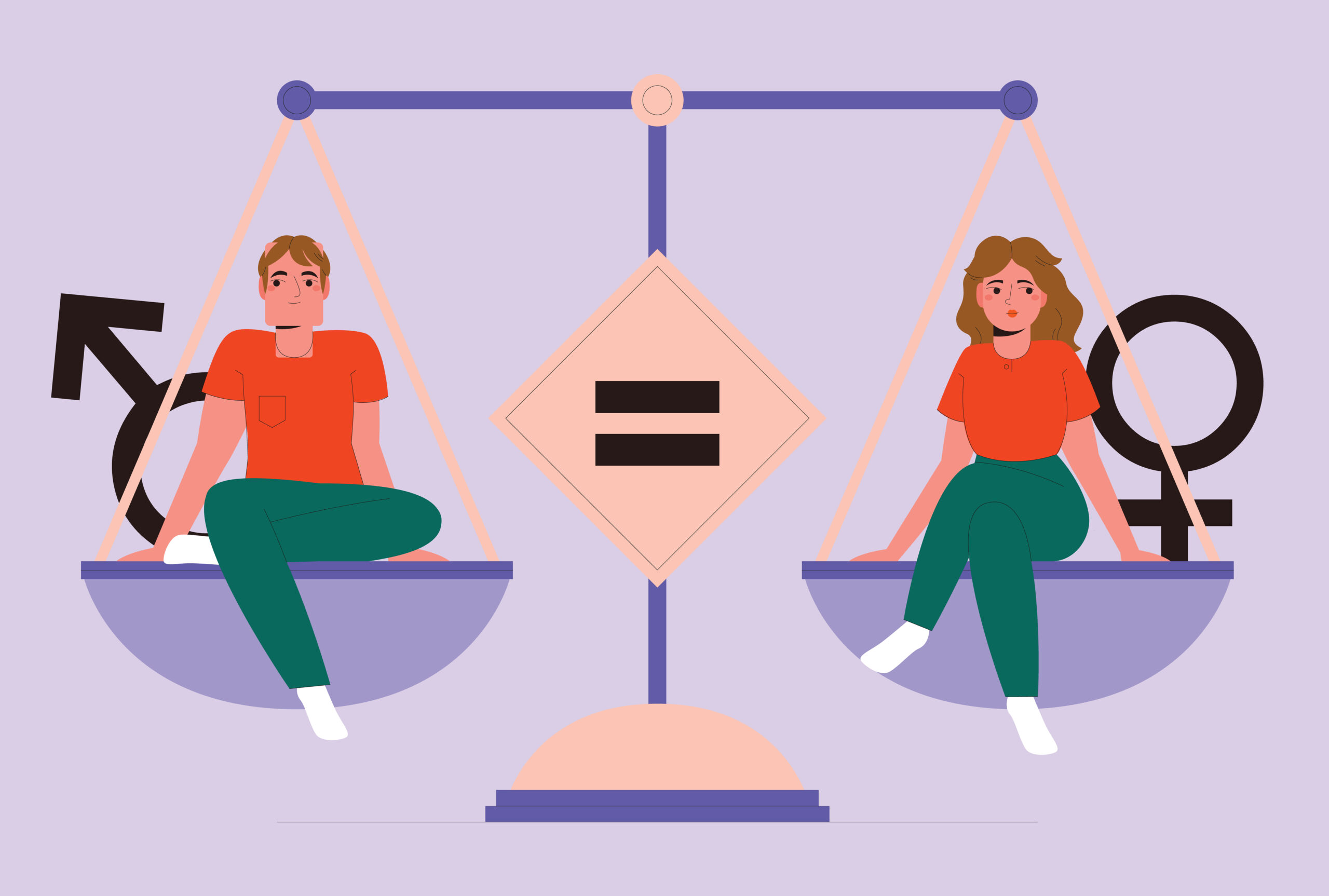
For the first time, a full assessment of gender equality in Ukraine according to European standards was presented in Kyiv. This was "Komersant Ukrainian". Індекс ґендерної рівності – це інструмент, який вимірює стан рівності між жінками та чоловіками у ключових сферах життя. Він розроблений Європейським інститутом ґендерної рівності (EIGE) та використовується в країнах ЄС з 2013 року для оцінки прогресу в сфері ґендерного балансу та вдосконалення державних політик, а також є важливим елементом стратегій євроінтеграції. Загальні оцінки Згідно з результатами дослідження Індексу ґендерної рівності, у 2023 році Індекс ґендерної рівності в Україні становив 61,4 бала. Це на 8,8 бала нижче, ніж у середньому по 27 країнах-членах ЄС. Втім, результати України не є кардинально відмінними від загальноєвропейських. За загальними балами Індексу Україна займає 20 місце у рейтингу з 27 країн ЄС та України, випереджаючи такі вісім країн Європейського союзу, як Хорватія, Кіпр, Естонія, Словаччина, Греція, Чехія, а також Угорщина та Румунія. Найближчі до середньоєвропейських показники Україні демонструє у таких сферах, як «Здоров’я», «Гроші», де різниця в оцінках є мінімальною. А за доменом «Час» ґендерна рівність в Україні забезпечується на вищому рівні, ніж у середньому по країнах-членах ЄС. Такий результат досягнуто завдяки активній залученості жінок та чоловіків в Україні до благодійної та волонтерської діяльності. Водночас залишається дисбаланс у сфері «Вплив» – жінки недостатньо представлені на керівних посадах. Робота і ґендерна рівність У сфері занятості Індекс ґендерної рівності вимірюється показниками, які характеризують доступ чоловіків і жінок до ринку праці та формують домен «Робота». Активність на ринку праці в Україні є традиційно нижчою для жінок. Це є свідченням того, що жінки стикаються з більшими бар’єрами при виході на ринок праці та підтриманні безперервної трудової діяльності Оцінка України за доменом «Робота» становить 65,6 бала, що на 8,2 бала нижче середньоєвропейського рівня (73,8 бала). Країною, найближчою до України, є Італія (65 балів), що посідає останнє місце в рейтингу країн-членів ЄС за цим доменом. Гроші і ґендерна рівність У сфері грошових відносин Індекс ґендерної рівності вимірюється показниками, які характеризують економічний стан чоловіків і жінок, а також їхній доступ до фінансових ресурсів і формують домен «Гроші». Україна належить до країн з низьким рівнем оплати праці. Оцінка України за доменом «Гроші» становить 76,6 бала, що на 6 балів нижче середньоєвропейського рівня (82,6 бала). Країнами з найближчими до України оцінками за доменом «Гроші» є Іспанія (78,3 бала) та Словаччина (74,2 бала). У цьому домені Україна випереджає 10 європейських країн: Словаччину, Угорщину, Хорватію, Португалію, Естонію, Грецію, Литву, Румунію, Латвію та Болгарію. Знання і ґендерна рівність Ґендерна рівність в сфері освіти вимірюється на основі показників доступності та охоплення навчанням жінок і чоловіків, освітніми досягненнями з точки зору сфер навчання, які і формують домен «Знання». Для України значення індексу за доменом «Знання» становить 55 балів, що на 8,6 бала менше, ніж у цілому по країнах-членах ЄС. Країнами з найближчими до України оцінками за домену «Знання» є Німеччина (56,1 бала) та Румунія (54,4 бала). У цьому домені Україна випереджає три європейські країни: Румунію, Угорщину та Латвію. Час і ґендерна рівність Вимірювання ґендерної рівності у сфері використання часу пов’язане з дихотомією оплачуваної та неоплачуваної роботи жінок і чоловіків, а також структурою витрат часу на роботу та відпочинок, що й аналізується в домені «Час». Україна – країна з високими показниками залученості населення до неоплачуваної роботи, ситуація же з ґендерними розривами є досить строкатою. Оцінка за доменом «Час» становить 78,1 бала, що на 9,6 бала вище середньоєвропейського рівня (68,5 бала). Країною із найближчою до України оцінкою по домену «Час» є Нідерланди (76,9 бала). У цьому домені Україна випереджає всі країни ЄС. Вплив і ґендерна рівність У домені «Вплив» ґендерний розрив вимірюється через залученість жінок і чоловіків на керівні посади у державних політичних, економічних та соціальних структурах. За показниками впливу Україна належить до країн з високим дисбалансом щодо залученості жінок і чоловіків на керівні посади у державних політичних, економічних та соціальних структурах. Приміром, представництво жінок і чоловіків на рівні міністрів в Україні є досить незбалансованим – 18,8%, жінок і 81,2% чоловіків. Середні для ЄС значення – 33,4% для жінок та 66,6% для чоловіків. Гірші ніж в Україні показники – лише в Румунії (9,7% жінок), на Мальті (12,3%), у Греції (14%) та в Угорщині (15,4%). У лідерах за збалансованістю представництва жінок і чоловіків – Франція (50% жінок), Австрія (49,3%) та Швеція (51,4%), а найбільше жінок очолюють міністерства у Фінляндії (54,6%). Серед членів правлінь найбільших значущих компаній, членів наглядових рад або рад директорів в Україні жінка – лише кожна п’ята (21,3%). Середні для ЄС значення більш збалансовані – 30,5% для жінок та 69,5% для чоловіків. Серед лідерів – Франція (45,3% жінок), Італія (39,2%), Бельгія (37,9%), Нідерланди (37,6%), Швеція (37,4%), Німеччина (36,3%) та Данія (36,0%). Оцінка України за доменом «Вплив» становить 38,7 бала, що на 20,4 бала нижче середньоєвропейського рівня (59,1 бала). Країною з найближчою до України оцінкою за доменом «Вплив» є Польща (36,4 бала). У цьому домені Україна випереджає вісім європейських країн: Польщу, Естонію, Словаччину, Румунію, Грецію, Чехію, Кіпр та Угорщину. Здоров’я і ґендерна рівність У сфері охорони здоров’я ґендерний розрив вимірюється через самооцінку стану здоров’я жінок і чоловіків, дотримання здорового способу життя та доступність медичних послуг Домен «Здоров’я». За показниками доступності медичних послуг в Україні спостерігаються незначні ґендерні розриви, тоді як у більшості країн-членів ЄС вони майже відсутні. Приміром, частка населення України, що не має незадоволених потреб у медичному огляді, становить; серед жінок – 89,3%, чоловіків – 92,4%. Середні значення у ЄС – 94,6% для жінок і 96,0% для чоловіків. Українська оцінка за доменом «Здоров’я» становить 82,8 бала, що на 5,7 бала нижче середньоєвропейського рівня (88,5 бала). Країною з найближчою до України оцінкою за цим доменом є Литва (82,9 бала). У цьому домені Україна випереджає три європейські країни: Латвію, Болгарію та Румунію Зазначається, що розрахунок Індексу ґендерної рівності для України тривав 1,5 роки. Наступним кроком стане посилення спроможності державних органів у застосуванні європейської методології збору та аналізу даних, а також інституалізація українського Індексу та його розрахунок на постійній основі. Це дозволить ефективніше оцінювати прогрес у сфері рівності та формувати нову демократичну політику на основі цих даних.”>reported by the Government portal, according to
The Gender Equality Index is a tool that measures the state of equality between women and men in key areas of life. It was developed by the European Institute for Gender Equality (EIGE) and has been used in EU countries since 2013 to assess progress in gender balance and improve public policies, and is an important element of European integration strategies.
General estimates
According to the study, in 2023, the Gender Equality Index in Ukraine was 61.4 points. This is 8.8 points lower than the average for the 27 EU member states.
However, Ukraine’s results are not radically different from the European average. In terms of overall Index scores, Ukraine ranks 20th in the ranking of the 27 EU countries and Ukraine, ahead of eight EU countries such as Croatia, Cyprus, Estonia, Slovakia, Greece, the Czech Republic, as well as Hungary and Romania.
The closest indicators to the European average are in such areas as Health and Money, where the difference in scores is minimal. And in the Time domain, gender equality in Ukraine is ensured at a higher level than the average for EU member states. This result was achieved due to the active involvement of women and men in charitable and volunteer activities in Ukraine. At the same time, there is still an imbalance in the Influence sector, with women underrepresented in leadership positions.
Employment and gender equality
In the area of employment, the Gender Equality Index is measured by indicators that characterize the access of men and women to the labor market and form the Work domain.
Labor market activity in Ukraine is traditionally lower for women. This is an indication that women face greater barriers to entering the labor market and maintaining a continuous career.
Ukraine’s score in the Work domain is 65.6 points, which is 8.2 points below the European average (73.8 points). The country closest to Ukraine is Italy (65 points), which ranks last in the ranking of EU member states in this domain.
Money and gender equality
In the area of money relations, the Gender Equality Index is measured by indicators that characterize the economic status of men and women, as well as their access to financial resources, and form the Money domain.
Ukraine belongs to the countries with low wages. Ukraine’s score in the Money domain is 76.6 points, which is 6 points below the European average (82.6 points). The countries with the closest scores to Ukraine are Spain (78.3 points) and Slovakia (74.2 points). Ukraine is ahead of 10 European countries: Slovakia, Hungary, Croatia, Portugal, Estonia, Greece, Lithuania, Romania, Latvia, and Bulgaria.

Knowledge and gender equality
Gender equality in education is measured on the basis of indicators of accessibility and enrollment of women and men, educational achievements in terms of fields of study, which form the Knowledge domain.
For Ukraine, the index value here is 55 points, which is 8.6 points less than the EU member states as a whole. The countries with the closest scores to Ukraine are Germany (56.1 points) and Romania (54.4 points). In this area, Ukraine is ahead of three European countries: Romania, Hungary, and Latvia.
Time and gender equality
Measuring gender equality in the use of time is related to the dichotomy of paid and unpaid work between women and men, as well as the structure of time spent on work and leisure, which is analyzed in the Time domain.
Ukraine is a country with high rates of involvement of the population in unpaid work, but the situation with gender gaps is quite varied.
The score for the Time domain is 78.1 points, which is 9.6 points higher than the European average (68.5 points). The country with the closest score to Ukraine in the Time domain is the Netherlands (76.9 points). Ukraine is ahead of all EU countries here.
Influence and gender equality
In the Influence domain, the gender gap is measured by the involvement of women and men in leadership positions in the state’s political, economic, and social structures. According to the influence indicators, Ukraine is among the countries with a high imbalance in the involvement of women and men in leadership positions.
For example, the representation of women and men at the ministerial level in Ukraine is quite unbalanced – 18.8% of women and 81.2% of men. The EU average is 33.4% for women and 66.6% for men. Only Romania (9.7% of women), Malta (12.3%), Greece (14%), and Hungary (15.4%) have worse figures than Ukraine. The leaders in terms of balanced representation of women and men are France (50% women), Austria (49.3%), and Sweden (51.4%), while Finland has the highest number of women in charge of ministries (54.6%).
Among the members of the boards of the largest significant companies, members of supervisory boards or boards of directors in Ukraine, only one in five (21.3%) is a woman. The EU average is more balanced – 30.5% for women and 69.5% for men. Among the leaders are France (45.3% women), Italy (39.2%), Belgium (37.9%), the Netherlands (37.6%), Sweden (37.4%), Germany (36.3%), and Denmark (36.0%).
Ukraine’s score in the Influence domain is 38.7 points, which is 20.4 points below the European average (59.1 points). The country with the closest score to Ukraine is Poland (36.4 points). In this domain, Ukraine is ahead of eight European countries: Poland, Estonia, Slovakia, Romania, Greece, the Czech Republic, Cyprus, and Hungary.
Health and gender equality
In the healthcare sector, the gender gap is measured through self-assessment of women’s and men’s health, adherence to a healthy lifestyle, and access to healthcare services. In terms of access to healthcare services, there are insignificant gender gaps in Ukraine, while in most EU member states they are almost non-existent.
For example, the proportion of the Ukrainian population with unmet medical examination needs is 89.3% among women and 92.4% among men. The average values in the EU are 94.6% for women and 96.0% for men.
Ukraine’s score in the Health domain is 82.8 points, which is 5.7 points below the European average (88.5 points). The country with the closest score to Ukraine in this domain is Lithuania (82.9 points). Ukraine is ahead of three European countries in this domain: Latvia, Bulgaria and Romania.
It is noted that the calculation of the Gender Equality Index for Ukraine lasted 1.5 years. The next step will be to strengthen the capacity of government agencies to apply the European methodology for data collection and analysis, as well as to institutionalize the Ukrainian Index and calculate it on a regular basis. This will allow for a more effective assessment of progress in the field of equality and the formation of new democratic policies based on this data.