KSE has raised $40 million for a campus in Kyiv and is opening a student co-living space
7 May 12:46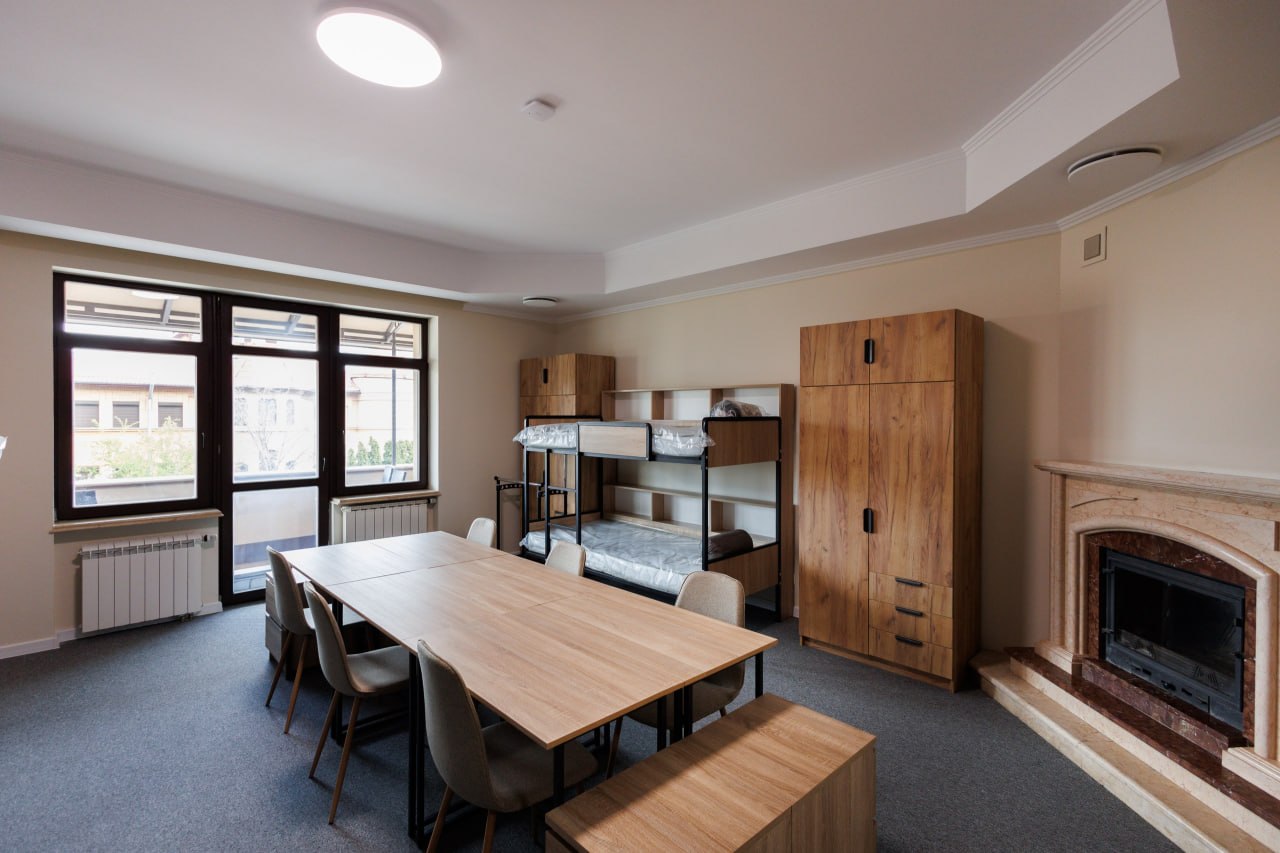
The Kyiv School of Economics has raised $40 million to build a new campus in Kyiv. Part of the funds will be used to launch Ukraine’s first student co-living facility based on a new model: the space will have over 100 living quarters and 858 square meters of classrooms in a separate building on Obolonska Embankment. This was reported by "Komersant Ukrainian" citing the KSE press service.
KSE has raised $40 million for the campus
The Kyiv School of Economics announced the completion of a $40 million fundraising campaign to build a new campus in Kyiv. This is one of the largest infrastructure projects in Ukraine’s private education sector.
Funds were raised from international and Ukrainian donors—both private and institutional. KSE emphasizes that no public funds are being used in the project.
Part of the funds raised has already been allocated to the development of the new educational space in Obolon, specifically for student co-living and classrooms.
What will open on Obolonska Embankment
The new KSE facility is located on Obolonska Embankment. It will feature:
- Ukraine’s first dedicated student co-living space;
- over 100 residential units;
- 858 square meters of classrooms;
- shared spaces for learning, socializing, and working.
A co-living space is a modern format of student housing where private rooms or relaxation areas are combined with shared kitchens, living rooms, co-working spaces, and study areas.
KSE explains that this model follows the practices of leading universities worldwide, where a significant part of learning takes place not only in classrooms but also through students’ daily interactions.
Who will live in the new co-living space
Among the first residents of the new space will be 100 students.
Half of the spots are reserved for students returning to Ukraine through the Come Back Home grant program, supported by the Carnegie Corporation of New York. Another 50 spots will be allocated to students already enrolled at KSE or those enrolling from other cities in Ukraine.
The new co-living space is also designed for:
- Ukrainian students returning from abroad;
- students from frontline regions;
- children of military personnel;
- internally displaced persons;
- applicants from other cities in Ukraine.
What KSE Says
KSE University Rector Tymofii Brik explains that co-living is intended to create an environment where students not only study but also interact daily, exchange ideas, and build a community.
“KSE students live and study side by side: shared spaces, the library, labs, classrooms, and housing—all in one environment. Students inspire one another every day. An idea about science, business, or politics in Ukraine in the coming decades might start with a conversation over coffee in the kitchen,” comments Tymofiy Brik.
Today, 296 students already live in KSE co-living spaces in Kyiv. The new space will add another 100 spots.
Watch us on YouTube: important topics – without censorship
How KSE Operated During the War
KSE emphasizes that the campus infrastructure is being built with the realities of war in mind. The university already has experience with uninterrupted learning even during attacks on energy infrastructure and harsh winters.
In the winter of 2025–2026, when many universities were forced to take extended breaks due to Russian attacks on the energy sector and extreme cold, KSE continued in-person classes.
To this end, support was organized for 524 people:
- 114 students and faculty members were provided with hotel accommodations;
- 157 people received batteries, charging stations, and heaters;
- the campus arranged 1,500 transportation transfers.
KSE President Tymofiy Mylovanov noted that this allowed for the preservation of thousands of hours of study and work.
“By our estimates, this saved up to 15,000 hours of study and work and allowed us to meet up to 70 deadlines for major projects on time, which would otherwise have been missed. The best universities in the world educate the next generations—regardless of war and winter. If we stop teaching, we have no right to exist,” stated Tymofiy Mylovanov.
The Obolon Campus: What’s Planned
The new KSE campus in Obolon will consist of two parts.
The main area near Natalka Park
In the main area near Natalka Park, they plan to develop recreational, sports, and educational facilities.
It will feature:
- open spaces for relaxation;
- golf and other sports;
- spaces for students and the community;
- library and discussion areas;
- outdoor events;
- the interdisciplinary Art & Science concept.
KSE states that it wants to make the space open not only to students but also to the Kyiv community.
Separate buildings on Obolonska Embankment
Co-working spaces and lecture halls will be located in separate buildings near the park. The first such facility is set to open this academic year.
Its co-working space covers 1,022 square meters, while the classrooms occupy 858 square meters.
Infrastructure for uninterrupted learning
The new co-working space includes autonomous solutions needed during wartime and potential power outages.
The space will feature:
- autonomous heating;
- backup power supply;
- stable internet;
- safe zones;
- conditions for studying regardless of the season or energy situation.
KSE states that it is the only university in Ukraine that has officially integrated the co-living model into its educational structure as an alternative to traditional dormitories.
How the budget was allocated
The total budget for building the campus is $40 million.
Last year, $18 million was allocated to purchase the complex of buildings on the main campus in Obolon. This year, KSE raised an additional $22 million.
Part of these funds was allocated to student co-living and new lecture halls on Obolonska Embankment.
Read us on Telegram: important topics – without censorship