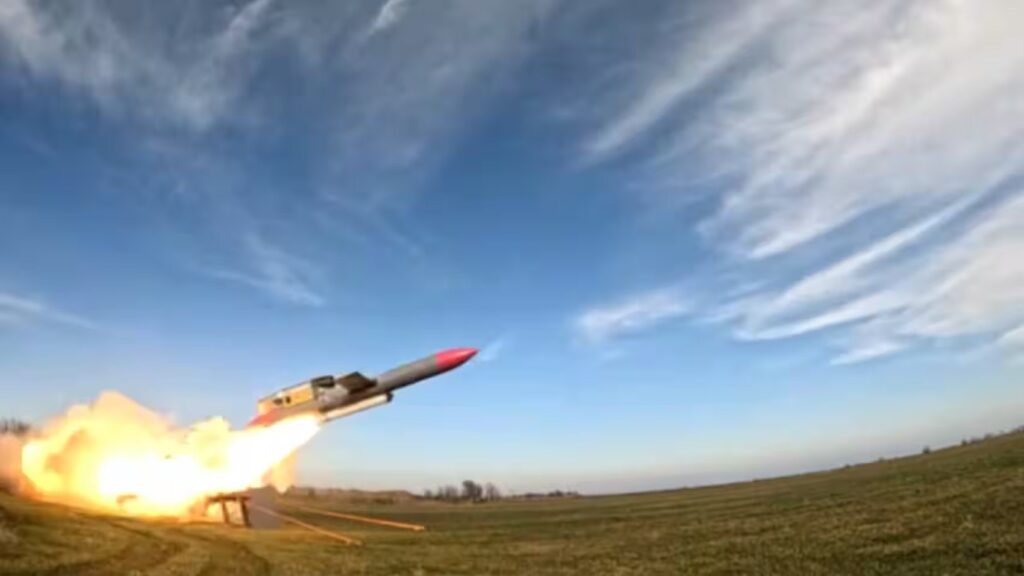
“Flamingo” Downed: Could the “Midas” Case Paralyze Ukrainian UAV Production?
1 May 19:30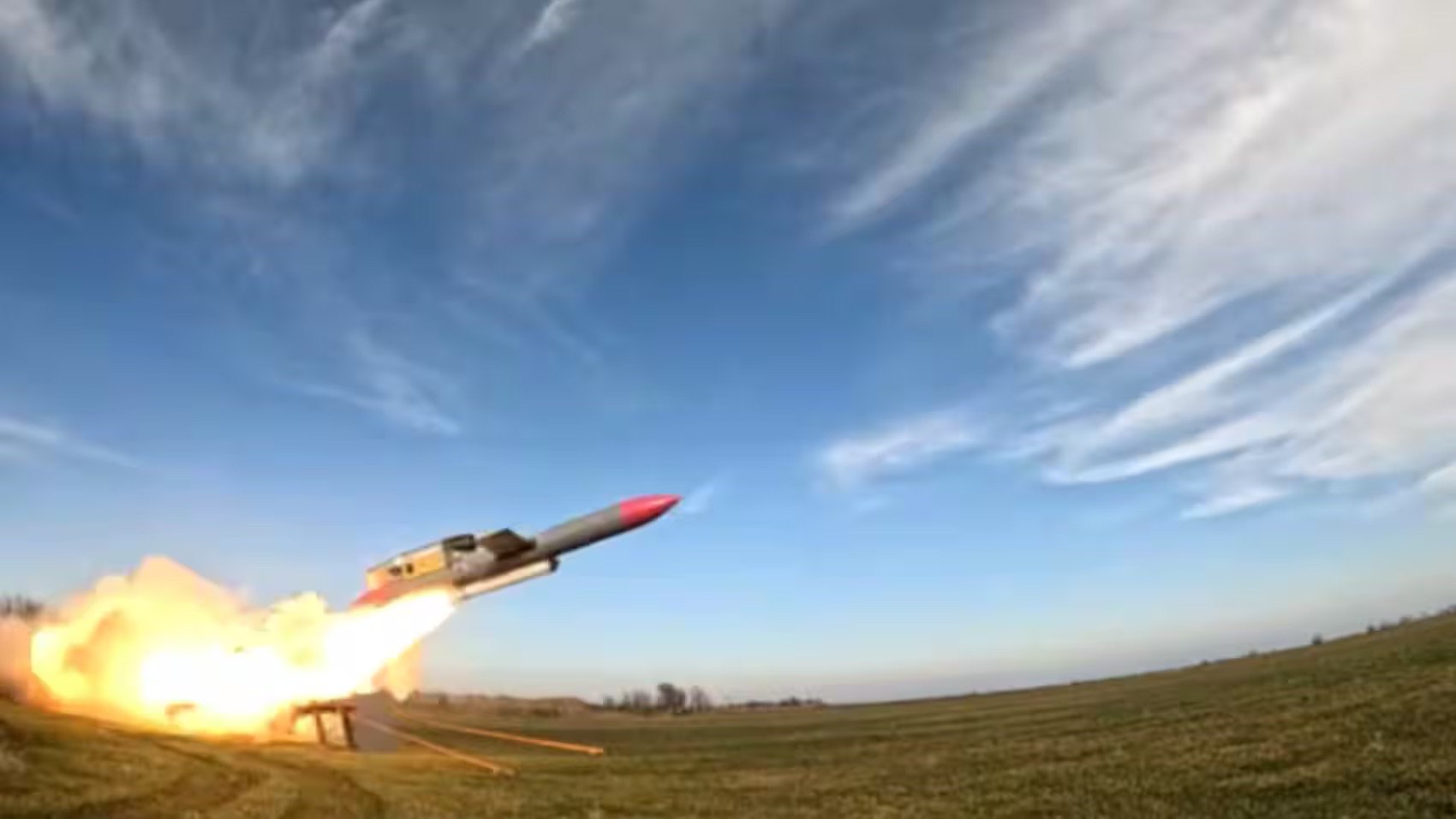 ANALYSIS FROM
Fire Point, one of Ukraine’s largest manufacturers of attack drones and missile systems, has found itself at the center of a media scandal following the publication of an investigation by Mykhailo Tkach in *Ukrainska Pravda*.
The publication released excerpts from recordings of conversations from businessman Timur Mindich’s apartment, made by NABU detectives as part of the “Midas” case. The materials indicate the businessman’s likely influence on government contracts in the defense sector.
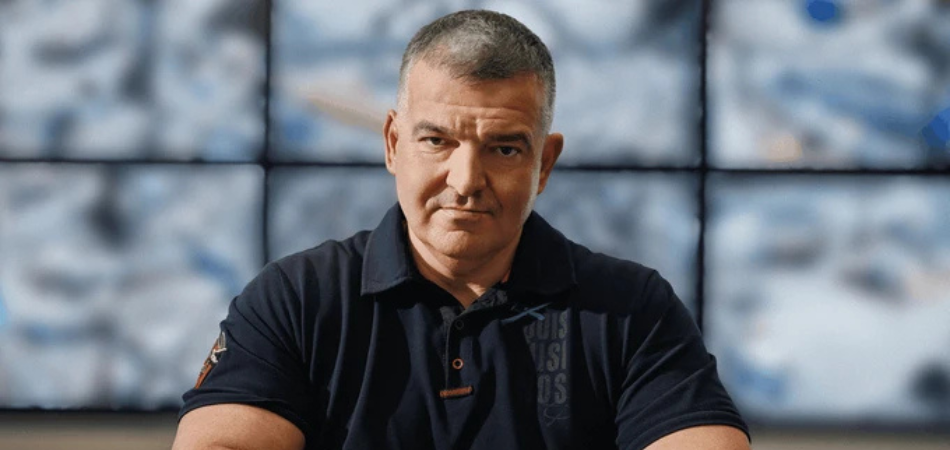
Denis Shtilerman, a co-owner of a defense company, immediately called the published materials manipulative and claimed they posed a threat to the country’s defense capabilities. Media reports also indicated that the information attack had already led to the collapse of a strategic contract with Denmark. The situation was analyzed by
What is in the recordings?
According to investigative journalist Mikhail Tkach, recordings from July 8, 2025, capture a conversation between individuals whose voices resemble those of Timur Mindich and then-Defense Minister (now Secretary of the National Security and Defense Council) Rustem Umerov. The interlocutors discussed funding for the company Fire Point.
Using the pronouns “we” and “our,” the man believed to be Mindich reports on investments in production, according to the investigation.
“We’ve put all our profits into the first, fifth, and seventh (presumably the FP-1 drone and the FP-5 and FP-7 missiles—ed.).”
Special attention was paid to the topic of ballistic weapons. In response to a question from a voice resembling Umerov’s: “How many ballistic missiles per year? Is it possible for next year?”, the businessman cited large-scale figures:
“We can make a thousand, 5,000 missiles… We can make 7,000 ballistic missiles, I think, per year… We need to invest 150 million in ballistic weapons, no question. If you’ve signed a contract, if you’ve given us the FP-1, then we’ll invest all that money,” – UP
According to the recordings, Fire Point is allegedly considering the possibility of selling 33% of its shares to investors from the UAE for $600 million. The businessman notes that the interested parties want to invest part of the funds directly into the company and pay out the rest as a “cash-out” to the owners.
Mykhailo Tkach emphasizes: according to investigations, Mindich himself may be one of the beneficiaries of Fire Point, which receives large contracts from the Ministry of Defense.
What was Fire Point’s response?
Co-owner of the company Denis Shteilerman called the published materials manipulative and claimed they pose a threat to the country’s defense capabilities. The company’s main argument against the published investigation (the “Midas” case) is a gross discrepancy in financial indicators. The journalists’ report cited a sum of 311 billion hryvnia allegedly allocated to the company.
According to an official statement from Fire Point the company’s actual revenue for 2025 was 29.3 billion UAH, which is ten times less than the figures cited.
“Information about our financial indicators is contained in the company’s official reports. Given this, there are reasonable grounds to believe that the information in question may have been fabricated or distorted, and an expert investigation is necessary to confirm its authenticity,” – Denis Shtilerman
To address questions regarding excessive profits on government contracts, Fire Point initiated an independent audit by Deloitte (a member of the “Big Four”) back in the summer of 2025.
- Audit result: The company’s total markup was 21.5%.
- Legal standard: The permissible limit is 25%.
The auditors’ reports have already been submitted to NABU as evidence of transparent operations. The company’s management also categorically denied any connection to Timur Mindich, who is mentioned in the investigation.
“Mr. Mindich is not and has never been an owner or beneficiary of our company. Any of his alleged activities regarding the company are solely his personal initiative,” the Fire Point statement reads.
The company sent an official letter to NABU Director Semen Kryvonos with a series of demands: to verify the source of the leak and the authenticity of the recordings, and to provide the original recordings for an independent investigation into whether they were doctored.
Company co-owner Denis Shtilerman also expressed his willingness to personally appear for questioning as a witness to put an end to this matter.
“The publication of pre-trial investigation data without official charges damages the company’s reputation and the fulfillment of defense contracts. Thank you to everyone who supports us during this latest attack. Unfortunately, these events have forced me to recall my experience during my time in the special unit of the “Matrosskaya Tishina” pretrial detention center,” concludes Denis Shtilerman.
Watch us on YouTube: important topics – without censorship
What are experts saying, and how are Ukrainians reacting to the disclosed facts?
The media storm that erupted after the publication of audio recordings in the “Midas” case aims not only to discredit certain defense companies but is part of a large-scale political campaign against Volodymyr Zelenskyy’s inner circle. This opinion was expressed in a comment
“This scandal isn’t just about Fire Point. Reducing everything to them is wrong and doesn’t correspond to reality. The scandal is clearly multifaceted; it’s a special informational political campaign,” Fesenko notes.
The expert cautioned against becoming tools in professional PR campaigns centered on sensitive defense sector issues.
“At the very least, I’m not playing into a PR campaign for or against anyone,” Volodymyr Fesenko concluded, calling for a critical assessment of the leaked information, Fesenko summarizes
Associated Press journalist Yefrem Lukatsky, who was among the first to see Ukrainian missile production “from the inside,” spoke of the catastrophic consequences of the media scandal surrounding Fire Point. According to him, under the guise of “fighting corruption,” Ukraine lost an important contract with European partners.
Lukatsky, who worked for 11 years in an underwater technology laboratory and is knowledgeable about complex systems, notes that he was initially skeptical of the company’s ambitions. However, what he saw in the workshops impressed him. This is not a “show” for the public, but real production built on wartime principles: simplicity, mass production, and efficiency.
“I’ve seen rockets in the Gaza Strip made from sewer pipes. I’ve seen Kremlin drones made from Styrofoam and electrical tape. At Fire Point, I saw the same logic, but at a professional level. These weapons aren’t about ‘perfection,’ but about results,” Lukatsky emphasizes.
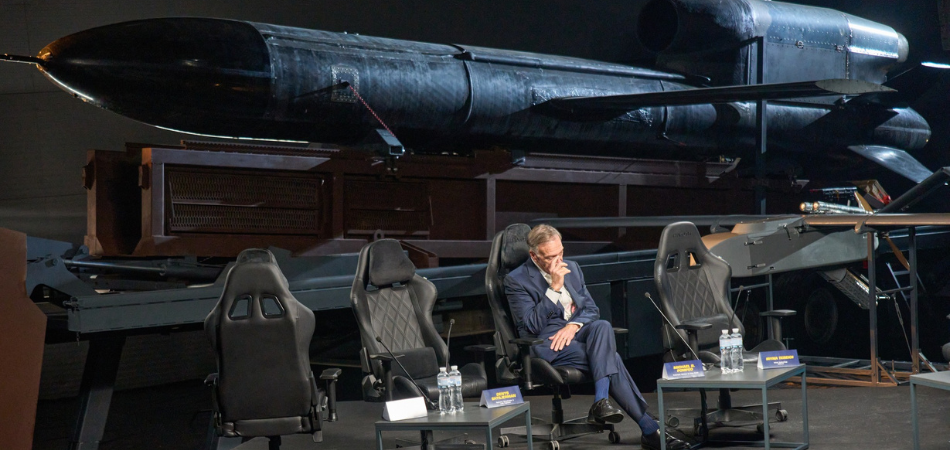
The journalist points out: while state-owned enterprises spent decades parading ballistic missile mockups at exhibitions, a private initiative managed to create working prototypes in just a few years. The most significant consequence of the media scandal was the loss of trust among Western partners. Lukatsky reported that a critically important agreement had fallen through.
“Congratulations to the ‘corruption whistleblowers’: the contract with the Danish side regarding the production of solid-fuel engines has been canceled,” the journalist concluded.
According to him, Western investors and state leaders who visited Fire Point’s facilities are very sensitive to such information “leaks.” Lukatsky compares this situation to the arrest of the “clistrons” before the start of the full-scale invasion, which weakened Ukraine’s air defense.
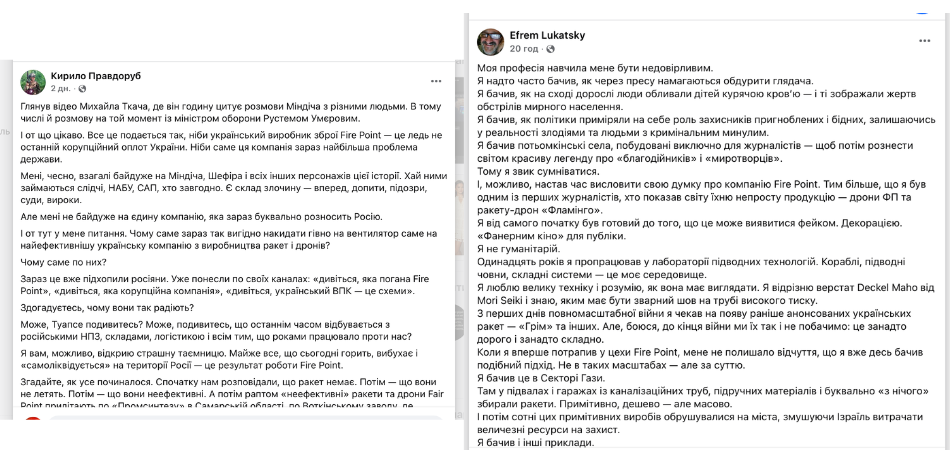
Military bloggers and opinion leaders, including Kirill Sazonov, point out a strange coincidence: the information attack on Fire Point began precisely when Ukrainian ballistics and drones became a real threat to the Russian Federation’s deep rear. Tuapse, Samara Oblast, the Votkinsk plant—the geography of Fire Point’s “cotton” is striking, and this, according to analysts, is precisely what prompted the attempts to discredit it.
“At first, they said there were no missiles. Then—that they weren’t flying. Now, when it’s impossible to deny the results, a new playbook has emerged—‘there’s corruption there.’ This is very convenient for the enemy,” notes Kirill Sazonov.
Clearly, the scandal surrounding Fire Point has become a litmus test for a country at war. On one hand—society’s legitimate right to transparency in defense procurement; on the other—the survival of strategic industries that ensure parity with the enemy. The cancellation of the contract with Denmark and the mistrust of Western investors are real losses that can no longer be reversed by mere denials. The final word on this matter should not come from the media, but from an independent investigation by NABU, which will confirm or refute the authenticity of the “tapes” and the accuracy of the figures cited in them.
What is known about Fire Point
According to Forbes, Fire Point is the largest manufacturer of long-range drones in Ukraine. The company’s monthly production capacity is up to 2,500 long-range drones, and Flamingo missiles cost approximately €600,000 per unit.
The company’s revenue in 2024 was 4.3 billion UAH, according to YouControl. In the first quarter of 2025, the company earned 2.6 billion UAH. YouControl and similar services do not disclose full-year financial results, as a law restricting access to registries regarding defense companies has come into effect.
Since its founding in 2022, Fire Point’s staff has grown from 18 to 3,500. Its flagship product is the FP-1 deep-strike drone, which can reach deep into Russian territory. Fire Point also manufactures the FP-2 mid-strike drone, the “Flamingo” (FP-5) winged missile, and is developing the FP-7 and FP-9 ballistic missiles. The stated range of the latter is approximately 800 km.
The company’s top management consists of three people: Yegor Skalyga (responsible for military relations), Irina Terekh (technical director), and Denis Shterman (owner and chief designer).
According to YouControl, in November 2025, Yegor Skalyga transferred nearly 100% of the shares to Denis Shtilerman. The company insists that the ownership structure now reflects reality. Terekh explained that they had long concealed Shtilerman as the primary beneficiary because he held Russian citizenship, and his family continued to live in Russia for some time after 2022.
Read us on Telegram: important topics – without censorship