After a shift in priorities: Russia’s fuel crisis began to ease
23 July 17:15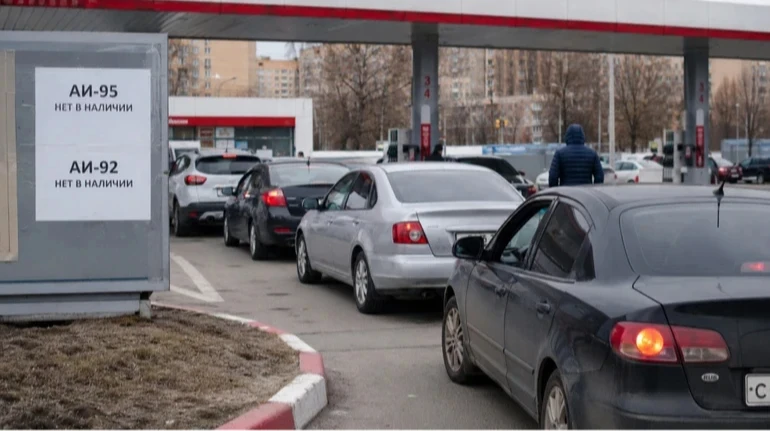
The fuel shortage in Russia has begun to gradually ease after Ukraine shifted its attack priorities from oil refineries to vessels linked to Russia. This was reported by Bloomberg, as cited by "Komersant Ukrainian".
Russian regions have begun reporting an easing of the gasoline crisis following the shift in the nature of Ukrainian attacks. Recently, Ukraine has been focusing more on striking ships rather than large oil refineries. From the Black Sea coast to remote areas of Siberia, local authorities are reporting an increase in available fuel supplies and a stabilization of supply.
Watch us on YouTube: important topics – without censorship
At the same time, gasoline rationing remains in effect. In some regions, the permitted amount of fuel per vehicle is gradually being increased. Vyacheslav Fedoryshchev, governor of the Samara Region, stated that the situation remains difficult, but there are signs of stabilization. Three Rosneft oil refineries are operating in this region.
Igor Kobzev, governor of the Irkutsk Region, also reported improvements. According to him, lines at gas stations have shortened significantly, and gasoline has become more readily available.
The cautious optimism among Russian officials comes after several weeks of disruptions. Ukraine’s unprecedented strikes on oil refineries have reduced Russian oil refining volumes to multi-year lows.
This led to a sharp rise in fuel prices. The Russian government was forced to almost completely ban the export of gasoline, jet fuel, and diesel.
Russia remains one of the world’s key suppliers of diesel fuel. The shortage in the country has further exacerbated tensions in the global petroleum products market. The market is already under pressure due to disruptions related to the conflict in the Middle East.
There are no independent and reliable statistics available to verify the latest statements by Russian officials. At the same time, data from crowdsourced apps, Telegram channels, and specialized websites indicate some improvement in supply. These resources have emerged in recent weeks to help drivers find fuel across Russian regions.
On July 22, Russian dictator Vladimir Putin described the problems in the fuel market as temporary. Russian Deputy Prime Minister Alexander Novak stated the day before that the domestic market had partially stabilized. According to him, lines at gas stations have become shorter.
Production of petroleum products in Russia has also begun to gradually recover. Several large oil refineries damaged by drones have been given more time for repairs. This became possible after Ukraine shifted most of its strikes to ships in the Black and Azov Seas.
In the first week of July, Ukrainian forces attacked five key Russian oil refining facilities. Among them was Omsk, home to the country’s largest oil refinery. The attacks continued over the next two weeks. However, their scale was smaller. The targets were primarily small facilities. In other cases, the consequences of the attacks were less devastating.
At the same time, the number of strikes on vessels linked to Russia increased significantly. According to statements by the General Staff of the Armed Forces of Ukraine, at least 124 vessels were attacked between July 8 and 20. Among them were 89 tankers.
Ben Barry , an expert at the London-based International Institute for Strategic Studies, stated that Ukraine is expanding its list of targets and regularly shifting its priorities. According to him, this tactic forces the enemy to constantly guess which target will be next. This makes it more difficult for Russia to deploy its defense systems.
It also makes it harder for Russian forces to intercept Ukrainian drones and missiles. Despite a partial resumption of supplies, the fuel shortage is far from over. According to EA Analytics estimates, Russia will process an average of 3.511 million barrels of oil per day in July. This is the lowest figure since May 2002.
This level is more than a third below the seasonal norm for Russia. This points to a continuing shortage of petroleum products and persistently high prices. Even amid cautiously optimistic statements, regional authorities in Russia are urging the population to prepare for new hardships.
Read us on Telegram: important topics – without censorship