Humanoid robots in the war against Russia: the results of testing these machines in Ukraine
30 May 22:18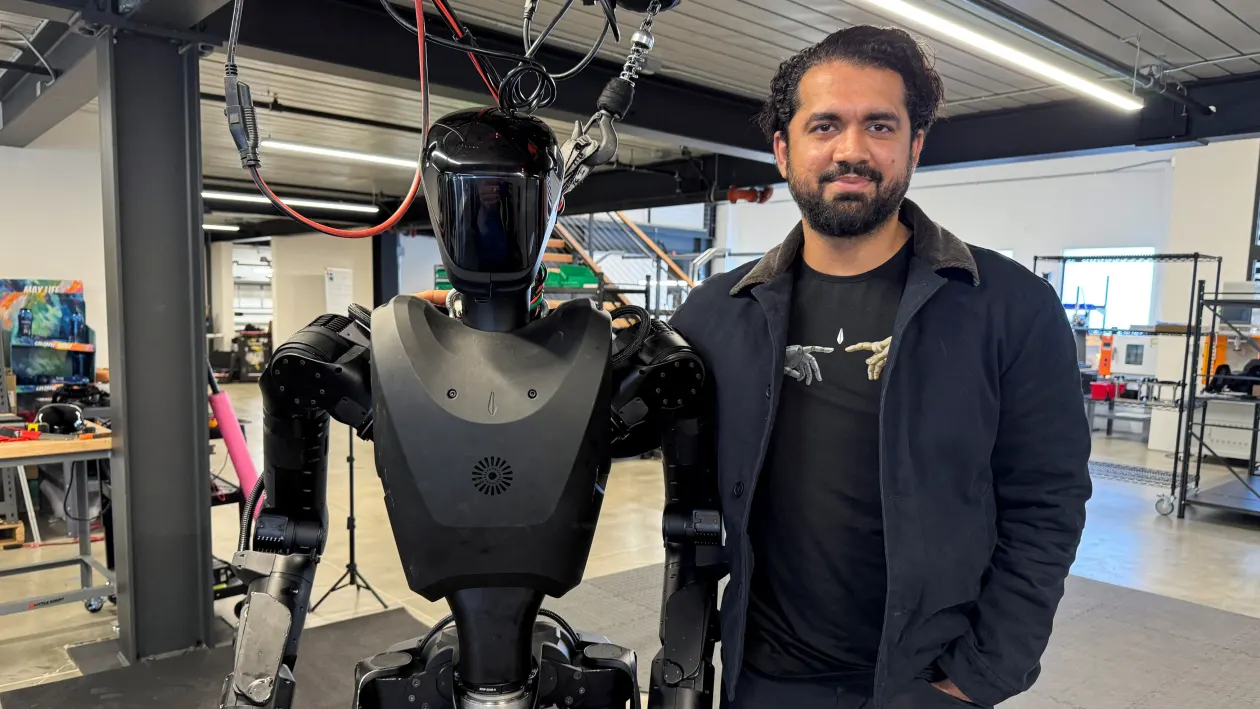
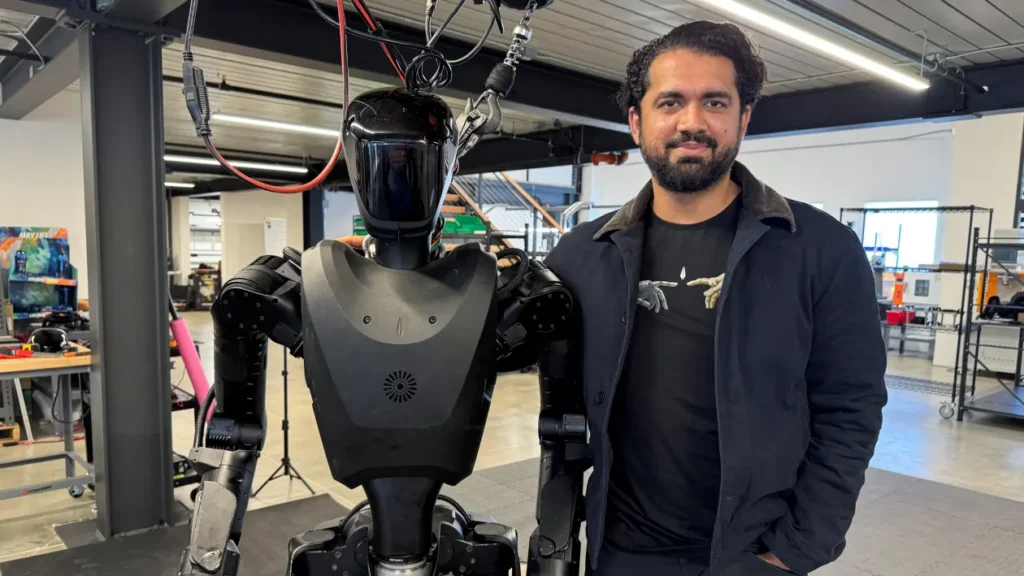
Foundation Future Industries, a U.S.-based startup that develops autonomous humanoid robots for military and industrial applications, has tested its machines in Ukraine during the war against the Russian aggressor, according to CNBC, as reported by "Komersant Ukrainian".
The company’s mission is based on the belief that humanoid robotics should be focused on solving humanity’s greatest problems, rather than on household chores and service roles, Sanket Patak, the Foundation’s CEO, told CNBC.
The startup has set ambitious goals: it plans to ramp up production to thousands of units this year and begin advanced testing with the U.S. military over the next 18 months.
In early 2026, the company sent two Phantom MK-1 robots to Ukraine for a pilot demonstration. According to Foundation CEO Sanket Patak, the tests were conducted with the support of the U.S. government and the participation of Ukrainian officials. The focus was on logistics in hazardous areas, particularly the delivery and evacuation of cargo near the front lines.
Patak claims that the robots have already demonstrated the ability to perform cargo transport tasks that often put soldiers at risk. At the same time, the current model has limitations: it can carry about 20 kg of cargo, lacks sufficient water protection, and is not capable of operating autonomously for long periods.
The Foundation plans to send new and improved robots to Ukraine this year in the form of its Phantom 2, which, according to Patak, will have “superhuman capabilities” and double the payload capacity of the Phantom 1.
The Foundation is actively working with the U.S. defense sector. According to CNBC, the company has already received research contracts from the U.S. government totaling $24 million to study the potential use of robots in logistics, inspections, and weapons operations for the Army, Navy, and Air Force. It is expected that the military will begin using the robots within the next 12–18 months.
The startup attracted additional attention when Eric Trump —son of U.S. President Donald Trump—was appointed as a strategic advisor. This drew criticism from some American politicians due to the government contracts the company is receiving.
Watch us on YouTube: important topics – without censorship