The electric vehicle market in Ukraine has changed dramatically: imports have fallen by half
6 May 14:24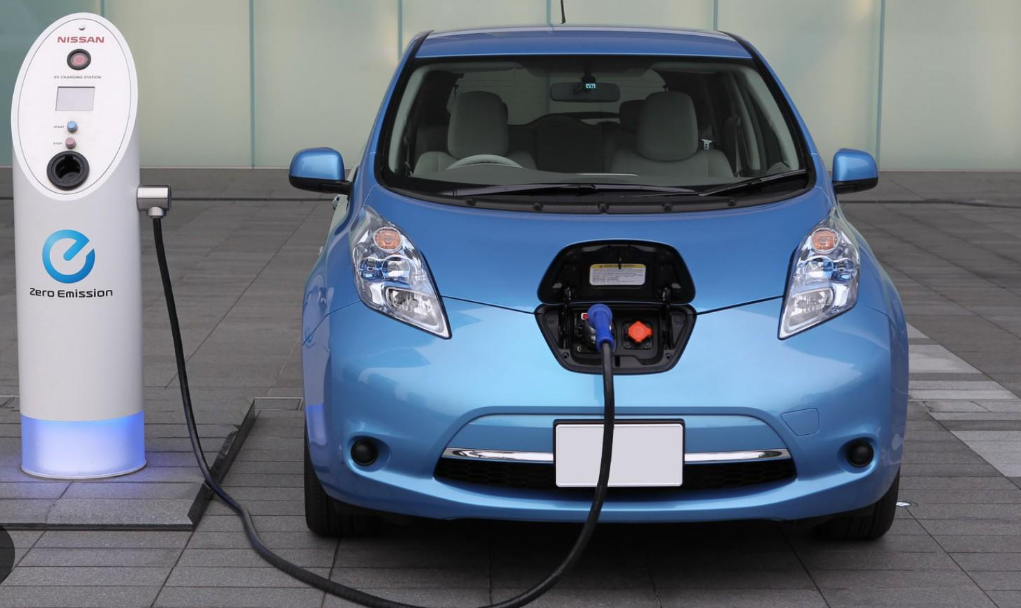
The Ukrainian electric vehicle market saw a sharp shift in trends in April. The total volume of the segment amounted to 9,122 cars, but the main driver was not cars imported from abroad, but domestic resales. They grew by 136.3% at once. This was reported by the Automotive Market Research Institute, according to "Komersant Ukrainian"
What is happening with the electric car market
April was a landmark month for the Ukrainian electric vehicle market. While imports previously played a significant role, buyers are now increasingly choosing cars that are already in Ukraine.
The total electric car market volume in April was 9,122 vehicles.
The most notable changes:
| Segment | Trends |
|---|---|
| Domestic resales of electric cars | 136.3% |
| Imports of used electric vehicles | -54% |
| Share of Chinese cars among new electric vehicles | 82% |
| New imports through March | 118.5% |
| New imports as of April last year | -45.8% |
Domestic sales became the main driver
Domestic resales became the largest market segment. In April, Ukrainians concluded 6,407 deals involving electric vehicles that had already been registered in Ukraine.
This is 136.3% more than during the same period last year.
The most popular models on the domestic market remain:
- Tesla;
- Nissan Leaf;
- Renault Zoe;
- Tesla Model 3.
This surge is attributed to the fact that, following the rise in import prices, buyers are increasingly turning their attention to vehicles already available in the country.
Imports of used electric cars plummeted due to VAT
The used car import segment took the hardest hit. Due to the introduction of VAT, imports of used electric vehicles in April fell by 54% compared to April of last year.
Over the month, 2,208 used electric vehicles were cleared through customs in Ukraine.
At the same time, compared to March 2026, this segment saw a 29.1% increase. This means that after the initial shock, the market is partially adapting, but has not yet returned to last year’s volumes.
The most in-demand imported used electric cars are:
- Nissan Leaf;
- Tesla Model Y;
- Tesla Model 3.
New electric vehicles: Chinese brands dominate
Chinese-made cars are increasingly dominating the new electric vehicle segment. The share of vehicles manufactured in China has reached 82%.
BYD holds the leading position. The brand is actively competing with its Leopard 3 and Sea Lion 06 models.
Other notable players include:
- Volkswagen ID. Unyx;
- Zeekr;
- Xiaomi;
- other Chinese electric vehicle brands.
Although new imports in April rose by 118.5% compared to March, they are still 45.8% lower than in April of last year.
Electric commercial vehicles: Renault Kangoo ZE leads the way
A separate segment is electric commercial vehicles. In April, 114 used electric vans were registered in Ukraine.
The Renault Kangoo ZE accounts for half of this market.
The following models also joined the fleet:
- Nissan eNV200 — 10 units;
- Mercedes-Benz Vito — 10 units;
- Mercedes-Benz Sprinter — 10 units.
The market for new electric trucks remains very small—only 7 units per month.
Why Ukrainians are more likely to buy electric cars domestically
The main reason is the tax burden on imports. After the introduction of VAT, importing used electric cars became more expensive, so some buyers switched to the domestic market.
This created a new balance: imports declined, while domestic resales rose sharply.
Analysts also note that electric car owners are in no hurry to sell their vehicles. The reason is simple—electric cars remain cost-effective to operate due to fuel savings.
In the long run, this could create a supply shortage in the used car market and push prices up.
What the experts say
Analysts at the Automotive Market Research Institute note that these April results were predictable even during the discussion of VAT on electric vehicles.
“We predicted the April results back last year, when the topic of VAT on electric vehicles was actively being discussed. Higher prices for imported cars shifted attention to the domestic market… And if, at the same time, someone proposes introducing additional taxes on owners or buyers of electric vehicles—this is not an attempt to help the country; it is a direct path to the destruction of the segment as such… and a step backward by 10–15 years in the development of modern, environmentally friendly transportation that is independent of oil.”