“Anxiety During Childbirth”: How and Where Ukrainian Women Give Birth During a Missile Attack
28 May 17:19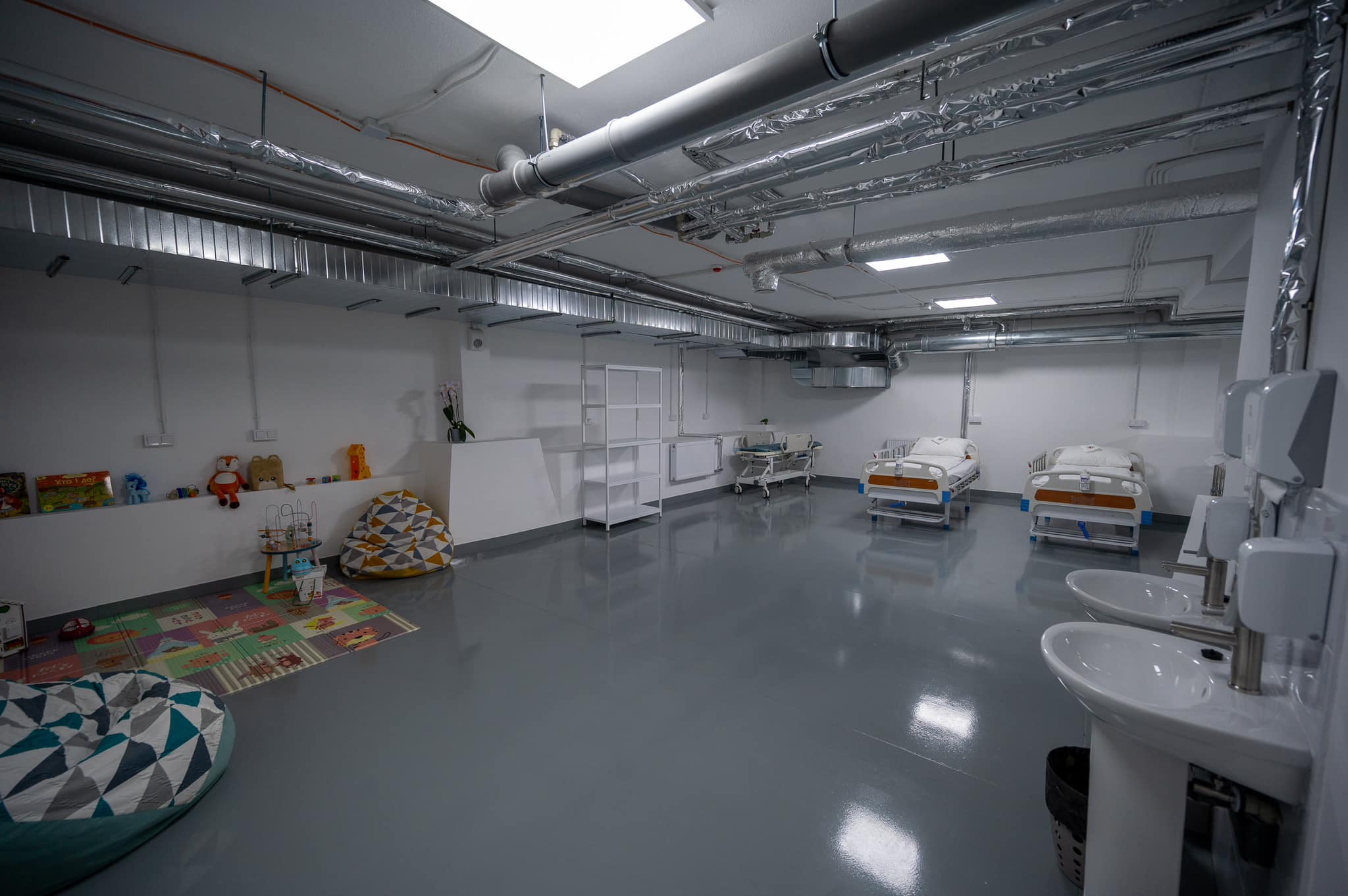
Since the start of the full-scale war, Ukrainian maternity hospitals have been forced to adapt to operating under the constant threat of missile strikes. For medical facilities, this meant not only setting up shelters and ensuring an uninterrupted power supply, but also completely restructuring the procedures for medical teams during air raid alerts.
"Komersant Ukrainian" reports on how thousands of women in Ukraine today are giving birth amid the sound of sirens and explosions.
While in 2022 most medical facilities operated under conditions of constant uncertainty, maternity wards and perinatal centers across the country now follow well-established safety protocols. Accordingly, medical teams clearly understand how to respond during an air raid alert depending on the woman’s condition and the stage of labor.
As explained by Dmytro Govseev, director of the Kyiv Perinatal Center, there are generally two main scenarios for how doctors respond during an alert.
“If a patient is in the prenatal ward or awaiting the onset of active labor, we move her to a shelter. If a woman is already in labor, we also move her to a shelter in the event of an air raid alert. The situation is more complicated when it comes to surgical intervention, such as a cesarean section. In such cases, we perform the surgery in a separate, protected operating room outside the main operating block.
Overall, since labor cannot be postponed or “paused” until the alert is over, doctors act according to the situation, taking into account a number of factors. All decisions are made quickly and in a coordinated manner,” he explains.

Autonomy of Maternity Wards
Modern maternity hospitals in Ukraine strive to ensure maximum autonomy for all their critical departments. In most facilities in the capital, in particular, there are now generators, backup power systems, and stockpiles of necessary equipment and medications in case of prolonged power outages or blackouts.
Medical staff also pay special attention to neonatal units and neonatal intensive care units, where even a brief interruption in power supply can have critical consequences. That is why backup power systems for such units have become an essential part of maternity hospitals’ operations.
According to Dmytro Govseev, the war has also altered the psychological state of patients. Doctors are increasingly dealing with high levels of anxiety among pregnant women, especially following nighttime shelling or prolonged drone and missile attacks.
“We cannot afford to ignore these factors today. After all, stressful situations directly affect the likelihood of premature or complicated births,” says the doctor, adding that psychologists are working at the maternity hospitals.
And this is now the norm, not a “luxury.”
Read us on Telegram: important topics – without censorship
Advice for Expectant Mothers
Doctors advise expectant mothers to clarify in advance with their maternity hospital all the details regarding procedures during an air raid alert: where the shelter is located, what conditions are provided there, how to get to that room, and so on. If the mother-to-be needs to be moved to the shelter immediately, this knowledge reduces her stress levels.
Also, in addition to the usual recommendations regarding the expectant mother having the baby’s packed items and personal documents ready, doctors advise women to have charged phones and a power bank with them.
Another feature of wartime is partner-assisted childbirth during air raid alerts. Rules may vary across different facilities depending on security conditions and the technical capabilities of the shelters. However, it is important to clarify all details regarding this directly with the doctors at your chosen maternity hospital—and to do so before admission.
SEE ALSO: Born Despite the War: How New Lives Are Saved in Kyiv Amid Sirens
“Despite constant attacks, the perinatal care system in Ukraine continues to operate without interruption. Over the years of war, Ukrainian medical professionals have gained practical experience working under conditions that no European obstetric care system has ever faced before,” concludes Dmytro Govseev.
On the night of the horrific attack on Kyiv on May 24
During the prolonged nighttime attack on Kyiv on May 24, 13 babies were born at the capital’s Perinatal Center.
“I think no one could ever have imagined that our babies would be born while buildings were shaking and the ground was trembling beneath our feet. But we are doing everything possible—and impossible—to ensure that little Ukrainians come into this world under the most comfortable and safe conditions possible, in terms of necessary medical care.
To be honest, our Western colleagues still sometimes can’t fathom how our doctors and our mothers manage to do this. But life must prevail. That’s how it has been and how it will be,” added Dmytro Govseev.
As reported by “Kommersant Ukrainian, ” demand for “home births” is growing in Kyiv.
Watch us on YouTube: important topics – without censorship