The Verkhovna Rada’s Temporary Investigation Commission announced a systemic crisis in the anti-corruption system: materials concerning the head of the High Council of Justice were handed over to law enforcement agencies
7 July 17:31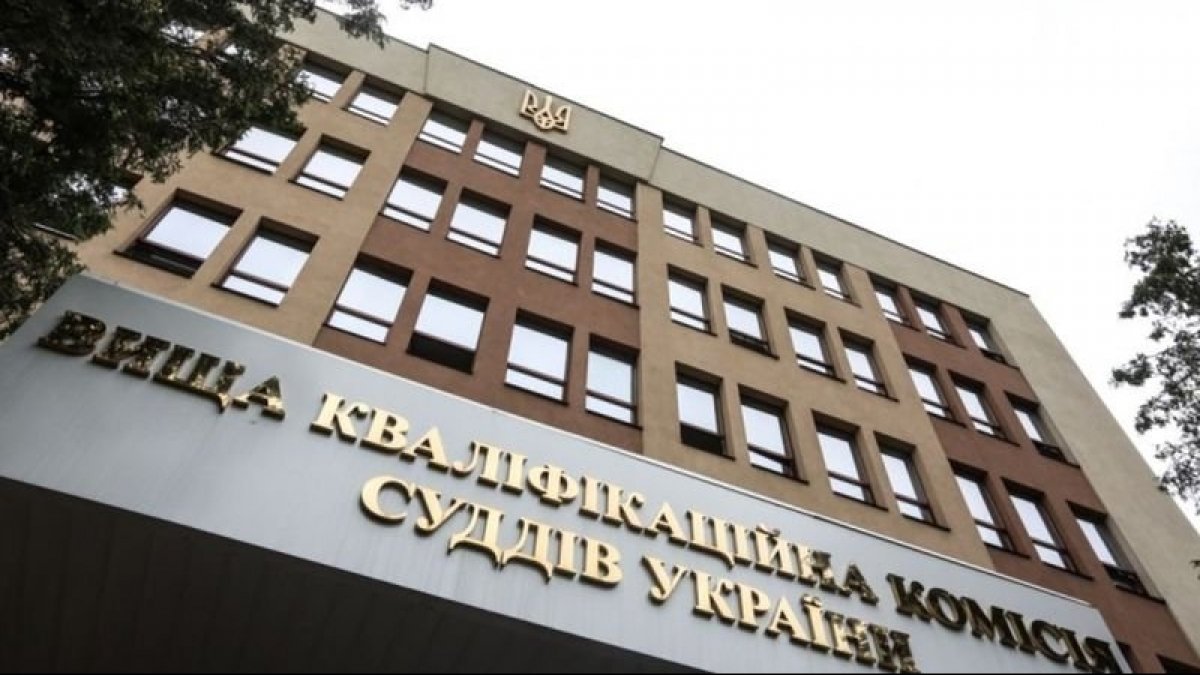
The Verkhovna Rada’s Temporary Investigative Commission, which spent a year investigating possible instances of corruption in law enforcement agencies, courts, and the judiciary, reported systemic problems in the functioning of Ukraine’s anti-corruption infrastructure. One of the commission’s main achievements was the transfer to law enforcement agencies of materials regarding possible violations in the activities of Andriy Pasichnyk, the head of the High Qualification Commission of Judges (HQCJ). According to the commission, criminal proceedings have already been opened based on these materials.
This is stated in the final report of the Verkhovna Rada’s Temporary Investigative Commission, which concluded its work on June 19 upon the expiration of its term, reports
Over the course of a year, the commission held 21 meetings, analyzed documents—including those marked “For Official Use Only”— heard testimony from the heads of most law enforcement and anti-corruption agencies, received over 230 submissions from citizens, businesses, and civil society organizations, and sent more than 155 inquiries to government agencies and institutions.
Based on the results of this work, the commission concluded that these are not isolated cases of violations, but systemic problems that have accumulated over the years.
“The results of the Commission’s work indicate the existence of archaic systemic problems that have accumulated over the years within the agencies tasked with ensuring the rule of law, justice, and the fight against corruption,” the report states.
The TSK emphasized that the independence of law enforcement and judicial bodies cannot serve as a basis for evading responsibility.
Watch us on YouTube: important topics – without censorship
“The independence of law enforcement and judicial bodies is not a license to evade responsibility. No status, position, or guarantee of independence grants the right to violate the law and evade punishment. Independence is intended to protect against unlawful interference, not to shield impunity,” the document states.
Materials regarding the head of the High Council of Justice were forwarded to law enforcement agencies
A separate section of the report is devoted to an analysis of the competition for vacant positions on the appellate courts.
According to the TSC’s findings, an examination of the competition materials revealed circumstances that may indicate possible violations of the law in the actions of HQCJ Chairman Andriy Pasichnyk.
“Based on the results of the investigation, the Temporary Investigative Commission concluded that there are signs of violations of the law—in particular, anti-corruption laws—in the actions of High Council of Justice Chairman Andriy Pasichnyk, and noted that such actions may constitute criminal offenses,” the commission stated.
The report emphasizes that the relevant materials were forwarded to law enforcement agencies.
“The Commission’s materials were forwarded to law enforcement agencies, and following their review, the relevant information was entered into the Unified Register of Pre-trial Investigations. A pre-trial investigation is currently underway regarding these facts,” the document states.
The Commission Declared a Crisis of Trust
The report also notes that the materials received revealed a number of trends which, in the opinion of the deputies, indicate a crisis of confidence in the law enforcement and judicial systems.
Read us on Telegram: important topics – without censorship
Among the key problems , the TSC cites the use of criminal proceedings as a tool to exert pressure on businesses, selective justice, risks of conflicts of interest during the selection of judges, the superficial nature of asset declaration reviews, the insufficient effectiveness of internal controls within anti-corruption agencies, as well as concerns regarding the work of certain institutions within the anti-corruption infrastructure.
“The problem of corruption in Ukraine’s law enforcement and judicial systems today is not so much individual in nature as it is systemic. This is not about isolated cases of abuse, but rather the existence of flawed control procedures, insufficient transparency in certain processes, a formalistic approach to audits, weak internal accountability mechanisms, and an ineffective response to public reports of potential corruption,” the report states.
What the TSC Proposes
Based on the results of its work, the commission called for a comprehensive reform of financial control mechanisms, improvements to judge selection procedures, stricter monitoring of officials’ lifestyles, expanded parliamentary oversight, and greater accountability of law enforcement and anti-corruption agencies.
“Only by addressing these systemic problems can the state’s anti-corruption infrastructure function in practice, rather than merely in theory,” the TSK’s conclusions state.
At the same time, the commission emphasized that it calls on law enforcement agencies, the expert community, and other authorized institutions to provide a proper legal assessment of the facts set forth in the report and to take the response measures provided for by law.
As reported by "Komersant Ukrainian", MP Vlasenko stated that the Verkhovna Rada’s Temporary Investigative Commission would examine the work of NABU and the SAP.