The tourist season in Russia has ended without ever really getting started—Ukrainian intelligence
24 July 17:07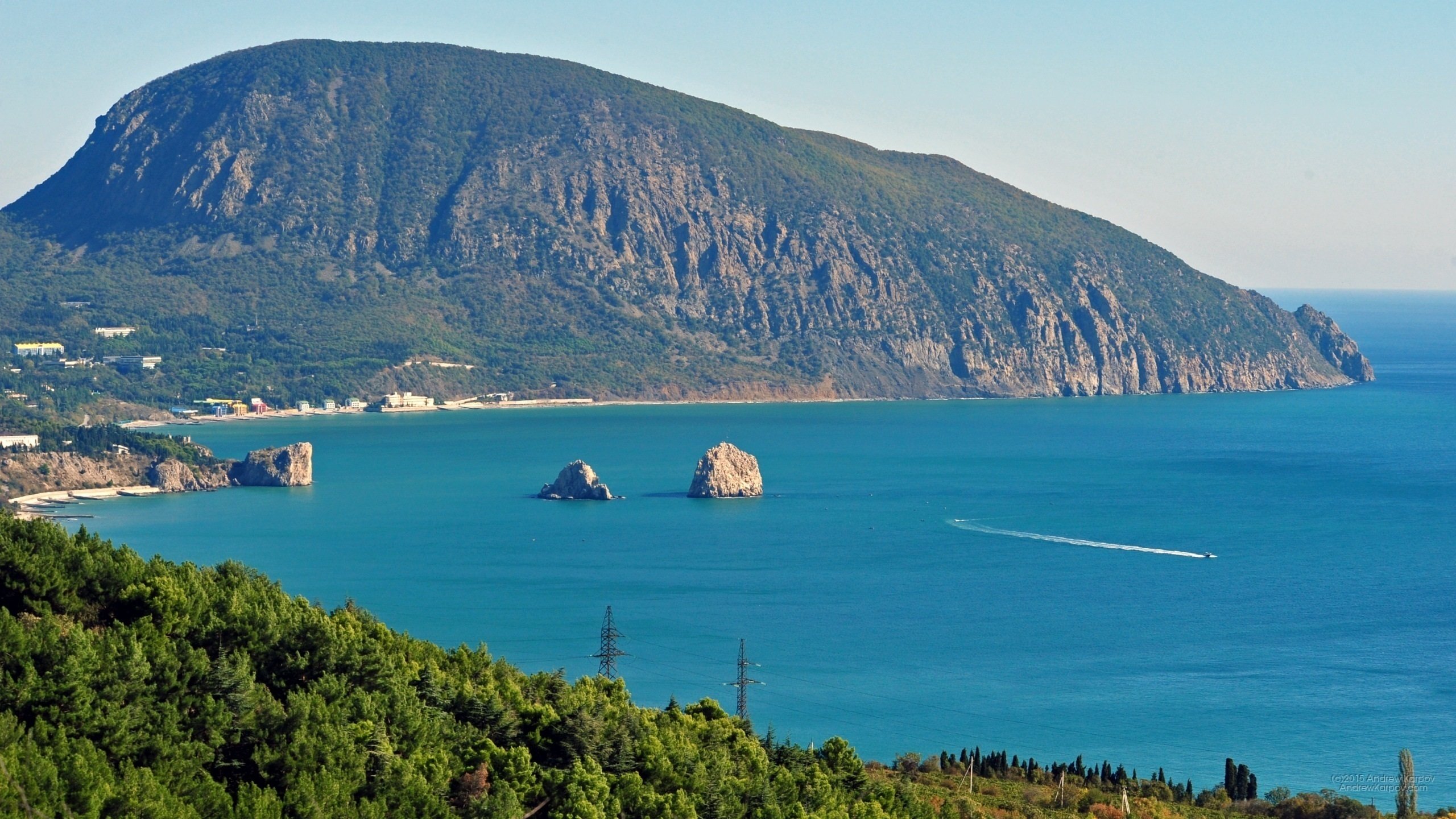
Russians who can still afford to travel are shortening the length of their vacations, opting for budget options, and avoiding travel agencies. In the first half of this year, approximately 2,700 travel companies in Russia ceased operations, which is 52.3% more than during the same period last year, according to Ukraine’s Foreign Intelligence Service, as reported by "Komersant Ukrainian".
The SVR also noted that the Russian tourism industry is suffering not only from a drop in demand.
“Internal problems are also putting significant pressure on tour operators: rising operating costs, difficulties with air service, disruptions at airports, and the fuel crisis. According to booking services, demand for package tours in Russia has fallen by 22–31% over the past year. Many companies could not withstand such a decline and were forced to cease operations,” the statement reads.
At the same time, domestic tourism was unable to offset the industry’s losses. Hotel room sales within Russia fell by 12–15% compared to 2025.
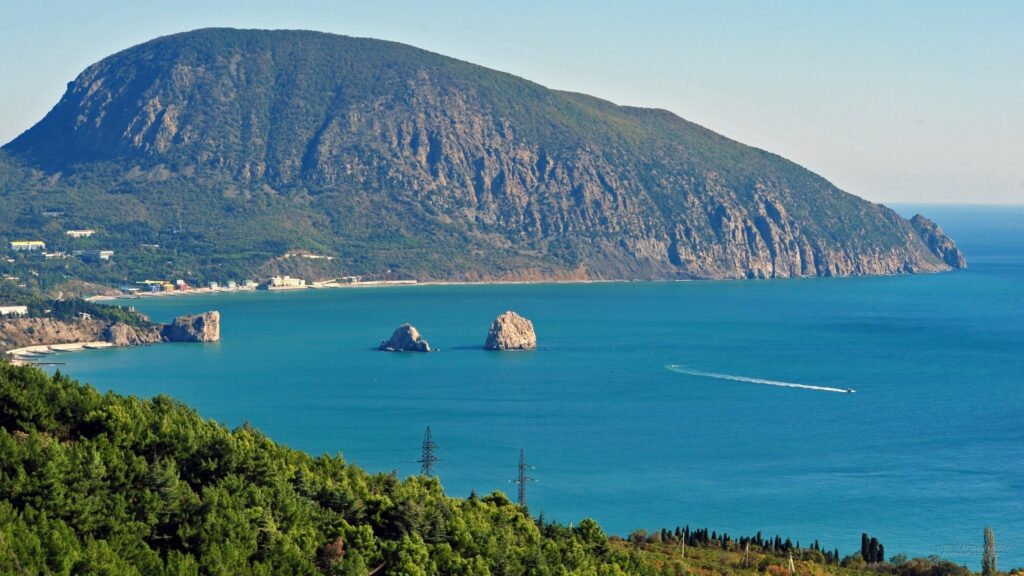
“Expectations for a busy tourist season in the temporarily occupied territories of Ukraine in Crimea also failed to materialize. For most local resorts, the tourist season effectively ended before it even began,” the SVR noted.
They concluded that, overall, tourism and travel are not currently among Russians’ top spending priorities. The average family in Russia spends nearly half of its household budget on food. Next on the list of priorities are medicines, clothing, utilities, and other essential needs.
Watch us on YouTube: important topics – without censorship
The Season in Occupied Crimea
It was previously reported that, following mass cancellations of reservations, the Kremlin allocated billions of rubles to the tourism industry in occupied Crimea. The Russian government decided to allocate more than 4.3 billion rubles (about 2.2 billion hryvnias) to support the tourism industry in occupied Crimea and Sevastopol. The money was planned to be used for one-time payments to employees of tourism companies, the occupying government reported on July 11.
As the occupiers noted, the financial aid is linked to the decline in tourist traffic to the peninsula due to strikes by the Ukrainian Defense Forces on the occupiers’ military and logistical infrastructure.
Earlier, the Association of Russian Tour Operators appealed to the government to grant Crimean hotels a grace period—allowing them to reschedule check-in dates or refund customers until the end of 2026.
The summer tourist season in occupied Crimea is being disrupted by prolonged power outages, fuel shortages, and transportation difficulties. According to data from the Travelline system, approximately 79% of hotel reservations in Crimea have been canceled, and 71% in Sevastopol.
Denis Chistikov, Deputy Permanent Representative of the President of Ukraine in the Autonomous Republic of Crimea, stated in a comment to Suspilne that a significant portion of the tourist flow is currently made up of Russian military personnel and their family members, who are visiting the peninsula on free vacation packages.
Due to logistical problems and strikes on the occupiers’ facilities, rail service is effectively limited to Kerch, after which tourists are forced to make their own way to their vacation destinations. Local businesses are operating amid power outages, relying on generators, while the costs of goods and services are rising.
At the same time, the 15,000 rubles in compensation promised by the occupying authorities do not cover the losses incurred by business owners. An additional problem for the resort industry remains the pollution of Crimean beaches with fuel oil following the accident involving Russian tankers in the Kerch Strait.
Russian dictator Vladimir Putin has also approved compensation for fuel costs in occupied Crimea. The Kremlin leader claimed that Ukraine is “trying to disrupt the vacation season” and wants to “create a tense atmosphere in society,” but that this task is allegedly “impossible.”
Earlier, on June 27, the occupation administration of the Artek children’s center in Crimea announced that the departure of children had been completed following a temporary suspension of the summer program. Some were sent home, while others were sent to camps in the Krasnodar Krai of the Russian Federation.
Read us on Telegram: important topics – without censorship