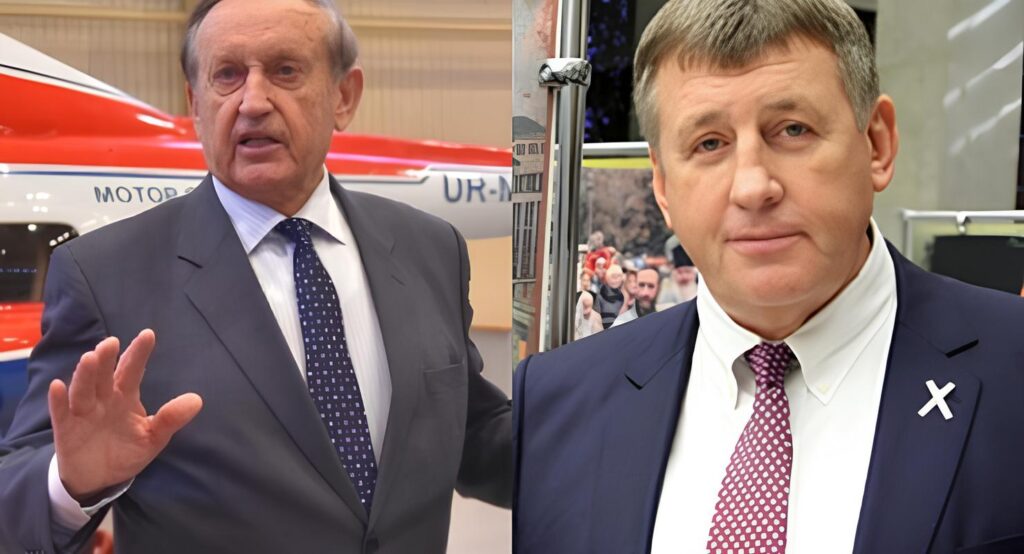
A sanctioned associate of Boguslaev is attempting to carry out a project in Uzbekistan involving “Motor Sich”
24 July 16:52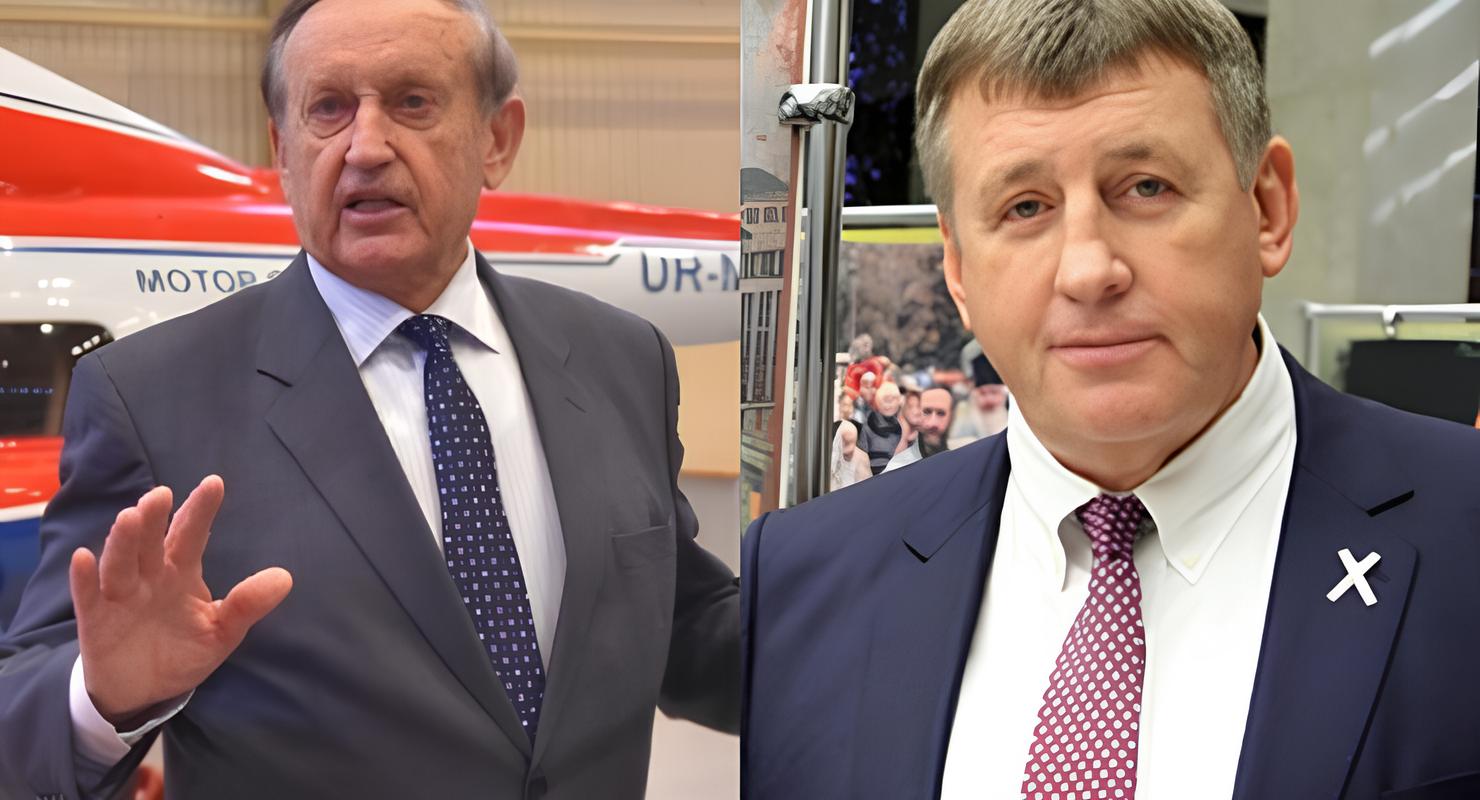
Petro Kononenko, who remained in Russia after the outbreak of full-scale war, is proposing that the state-owned company “Uzbeknaftogaz” create a counterpart to the Ukrainian aircraft manufacturer, utilizing the “Motor Sich” brand and manufacturing expertise. This is reported in an investigation by RBC-Ukraine, according to "Komersant Ukrainian".
The authors of the article note that this story is unfolding against the backdrop of active rapprochement between the European Union and Uzbekistan. In particular, the parties recently signed an Agreement on Enhanced Partnership and Cooperation, and during the 13th High-Level Political and Security Dialogue in Brussels, they discussed, among other things, Russia’s aggression against Ukraine and “deepening cooperation in the security sphere.”
Despite this, “Uzbekistan may be considering the possibility of implementing projects with Russian entities that involve the use of stolen products and technologies from Motor Sich.”
Read us on Telegram: important topics – without censorship
The article notes that the former president of Motor Sich JSC, Vyacheslav Boguslaev, is under investigation on suspicion of collaboration and aiding an aggressor state. Back in 2017, he sent his associate Petro Kononenko to Moscow to establish the company Borisfen LLC there, which received licenses from Motor Sich for a wide range of services.
“The Russian company performed a limited amount of work locally due to the lack of its own production and research facilities. Therefore, starting in 2017, under the guise of ‘Borisfen’ as a contractor, a number of orders were actually assembled and repaired at Motor Sich’s facilities in a covert manner,” the publication notes.
After the start of the full-scale invasion, Kononenko did not return to Ukraine.
“Ultimately, ‘Borysfen’ continues to operate in Russia today and, as it claims, provides engine repairs for Russian companies such as ‘Gazprom,’ ‘Rosneft,’ ‘Russian Helicopters,’ and others.
Despite the fact that the entity known as “Borysfen” lacks Ukrainian licenses, the company is attempting to launch investment projects in Central Asia,” the article states.
Kononenko is reportedly already in negotiations with the state-owned company “Uzbekneftegaz, ” proposing to implement a multibillion-dollar project to create a facility similar to “Motor Sich.”
“According to available information, he is convincing a potential partner—Uzbekneftegaz (UNG) (Chairman of the Board: Abdugani Abdurakhmonovich Sanginov—Ed.)—that he allegedly has access to the licenses and capacities of the Ukrainian enterprise.
The described model involves a scheme similar to the Russian Federation’s “shadow fleet”: through forged documents and smuggling corridors from the temporarily occupied territories of Ukraine to the Russian Federation, used spare parts and components of “Motor Sich” products are exported, which are then repaired and passed off as having been manufactured by “Borisfen,” a so-called “subsidiary” of the plant.
In addition, according to available data, Kononenko orders a number of components from China, passing them off, once again, as manufactured at “Motor Sich,” the article states.
Such actions may indicate yet another attempt by the Russians to move the production base, technologies, and expertise of one of Ukraine’s key aircraft engine manufacturers outside of Ukraine, using the jurisdiction of a third country for this purpose.
Watch us on YouTube: important topics – without censorship
At the same time, Petro Kononenko and companies associated with him—including “Borysfen,” Volga Dnepr Airlines, and “Vertolotnye Kompleksy”— are subject to sanctions imposed by Ukraine, the European Union, Canada, and Australia.
“For Uzbekistan and Uzbekneftegaz, participation in such a project would entail not only reputational risks but also very real sanctions risks. EU practice in recent years shows that restrictions are increasingly being extended to foreign companies that participate in schemes to circumvent anti-Russian sanctions or support the Russian military-industrial complex,” the publication notes.
Ukrainian diplomatic bodies (the Ministry of Foreign Affairs and the Ukrainian Embassy in Uzbekistan) must pay no less attention to this information, since it is through diplomatic channels that Ukraine can promptly inform the Uzbek side of the sanctions-related and legal risks of such cooperation, the authors conclude.
As reported by "Komersant Ukrainian", the EU has expanded sanctions against Russia’s financial sector: 32 more Russian banks are being cut off from SWIFT.