A blow to crops and the power grid: Ukraine recovers from severe weather
27 April 10:58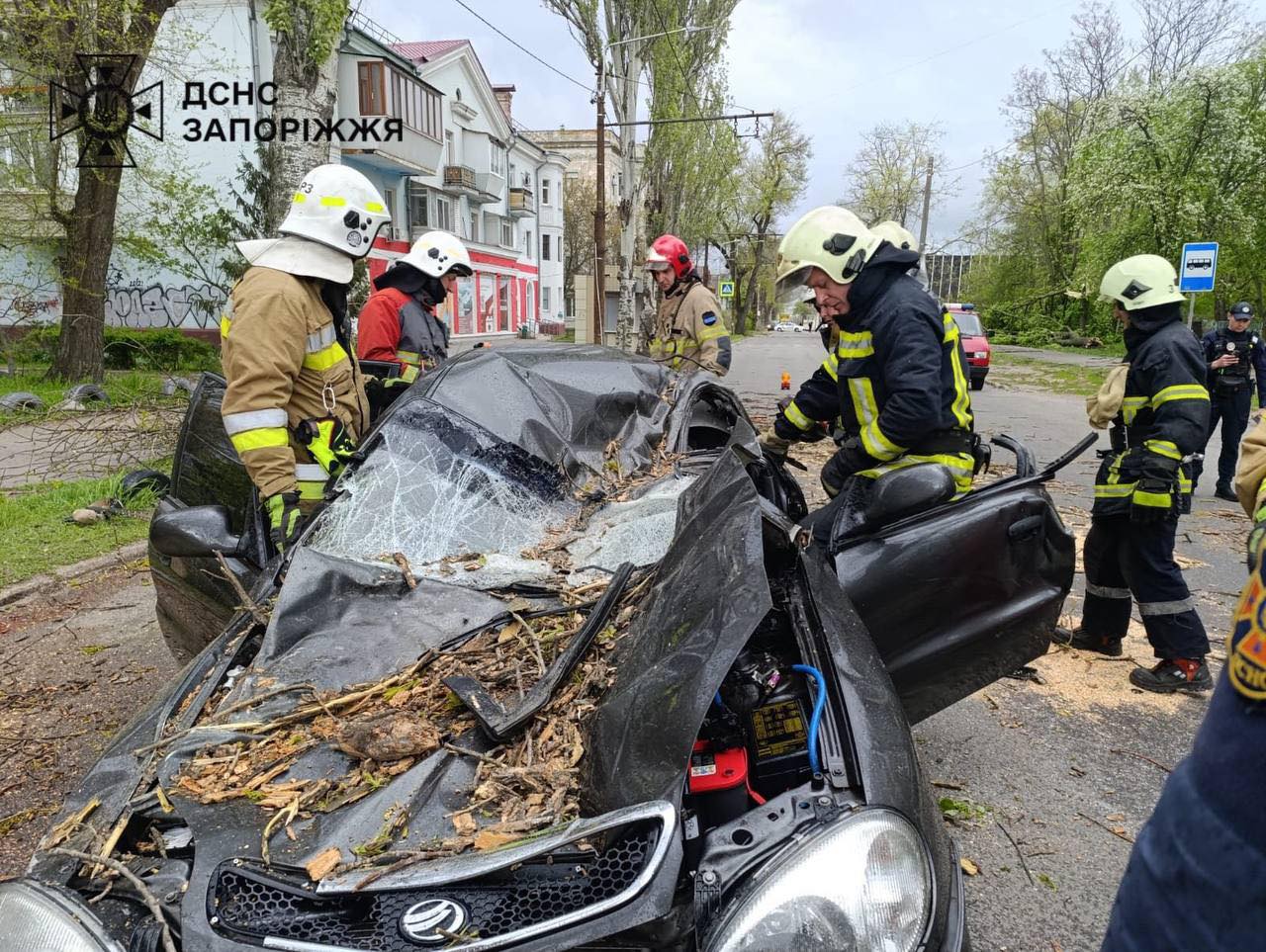
The severe weather that hit Ukraine on April 26 posed a serious challenge to many regions at once. Gusty winds toppled trees, ripped off roofs, and damaged cars and power lines. At least two people died as a result of the storm, several others were injured, and over a thousand settlements were left without power. "Komersant Ukrainian" has compiled all available information about the storm as of the morning of April 27.
On Sunday, April 26, a powerful cyclone swept across Ukraine. According to a warning from the Ukrainian Hydrometeorological Center, thunderstorms, hail in some areas, and squalls of 15–20 m/s were expected during the day in most southern and central regions, as well as in the Kharkiv and Sumy regions.
Forecasters also warned of strong gusts of wind across the country and potential disruptions to energy, utility, and transportation services.
How the storm hit the regions
The first reports of the storm’s impact began coming in from the western regions. In Lviv Oblast, strong winds toppled trees in several districts, including Lviv, Zolochiv, Sheptytsky, and Drohobych. In the village of Myklašiv, a storm ripped the roof off a school.
In the Carpathian region , squalls damaged roofs, billboards, fences, power lines, and parked cars. Specifically, damage was reported to the roofs of two administrative buildings belonging to a company and a high school in the village of Cherniiv, and in Ivano-Frankivsk, a passenger car was damaged.
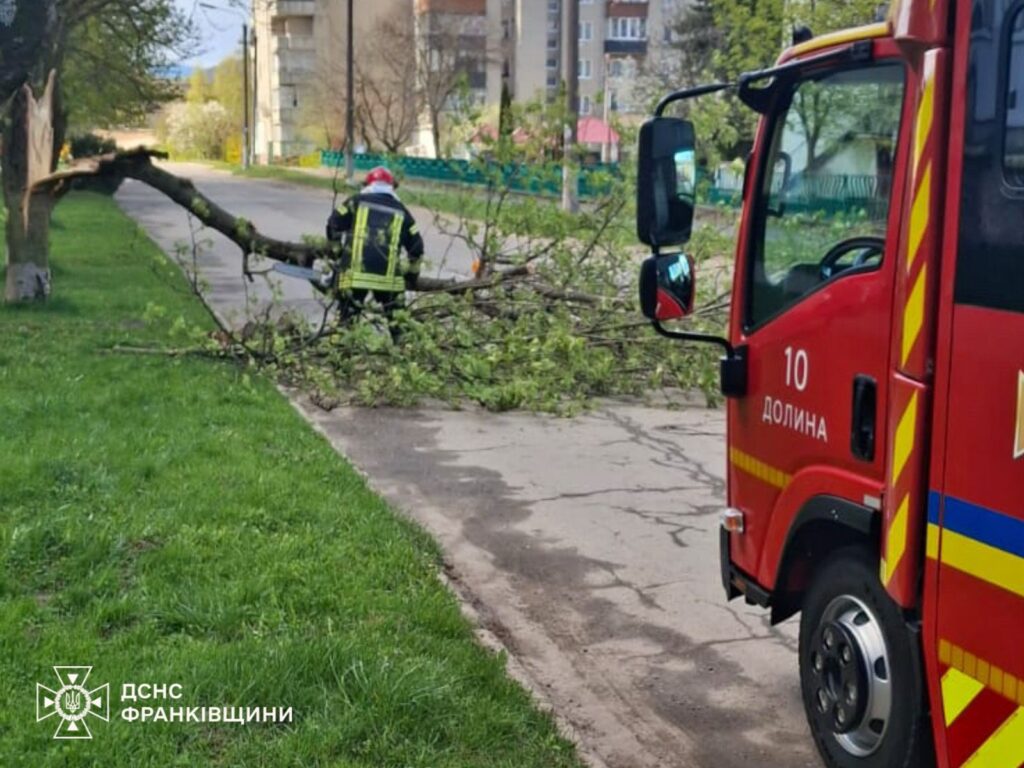
In Bukovyna, rescuers had to free a tour bus in the village of Shypyntsi. A tree fell onto the road and blocked traffic; there were 30 people inside the bus, including 19 children.
According to the State Emergency Service, there was no threat to the passengers’ lives, and the bus was freed using specialized tools.

In the south of the country, the bad weather manifested itself differently: a dust storm swept through the Odesa region. In Odesa, gusty winds, reduced visibility, and damage to roofs and power lines were reported.
The hardest hit: power grids
One of the main consequences of the storm was widespread power outages. According to the Ministry of Internal Affairs of Ukraine, the squalls caused the most damage in the Dnipropetrovsk, Khmelnytskyi, and Kyiv regions.
In total, more than 700 settlements across 19 regions are currently without power. The roofs of dozens of residential buildings and public facilities, educational institutions, and vehicles have been damaged.
Rescue workers are addressing the aftermath of the storm in many regions, clearing fallen trees, helping to restore road access, and deploying equipment for emergency repairs.
The biggest problems occurred where trees fell on power lines or the wind damaged utility poles. This caused individual infrastructure facilities to shut down and disrupted the operations of transportation, public utilities, and businesses.
Damaged roofs, trees on roads, and wrecked cars
Dozens of cases of fallen trees were reported across various regions. In cities, trees blocked roads and fell onto power lines, cars, and buildings. In the Kryvyi Rih district, reports indicated power outages, fallen trees, and storm damage.
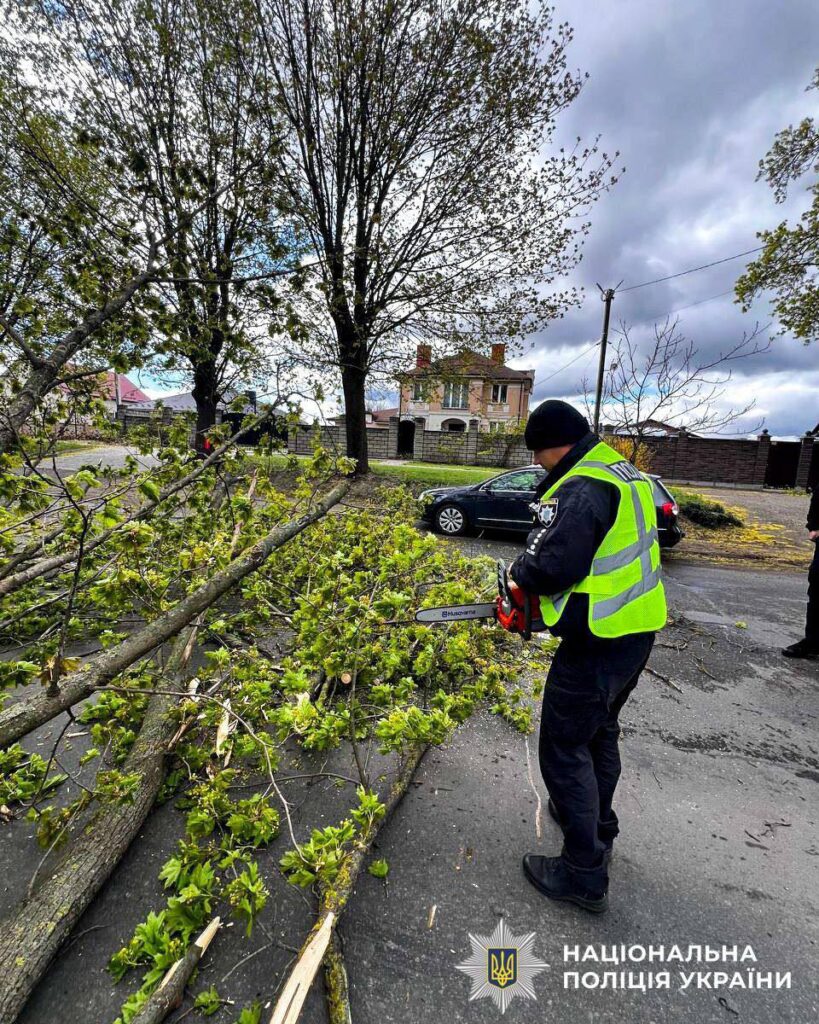
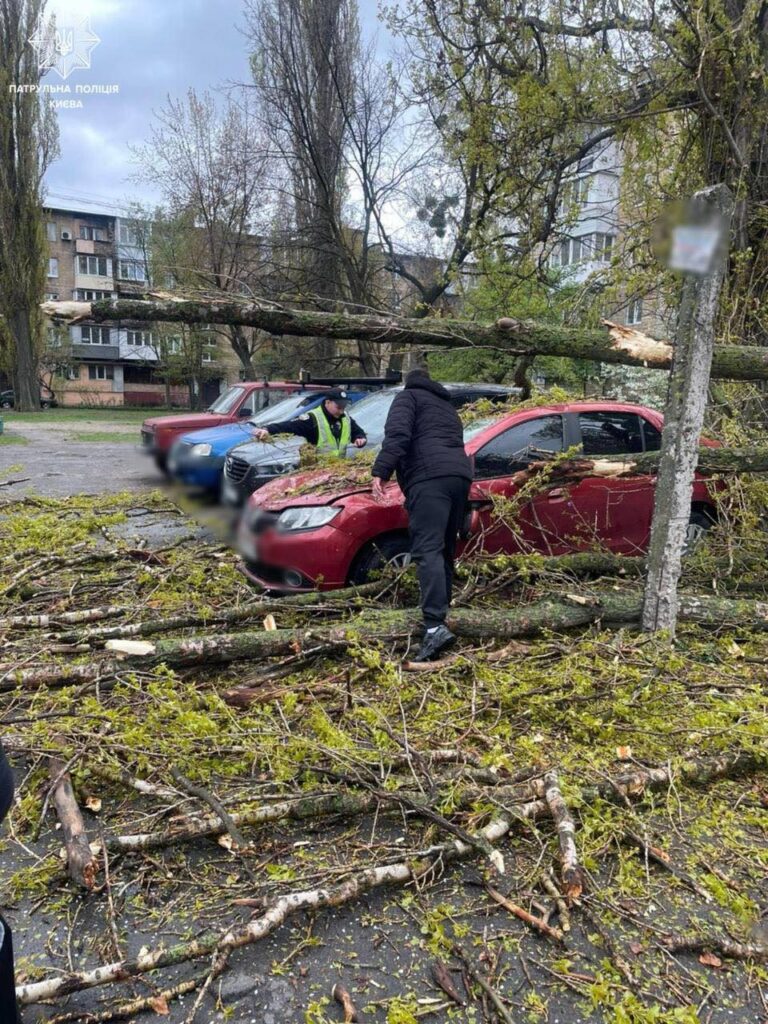

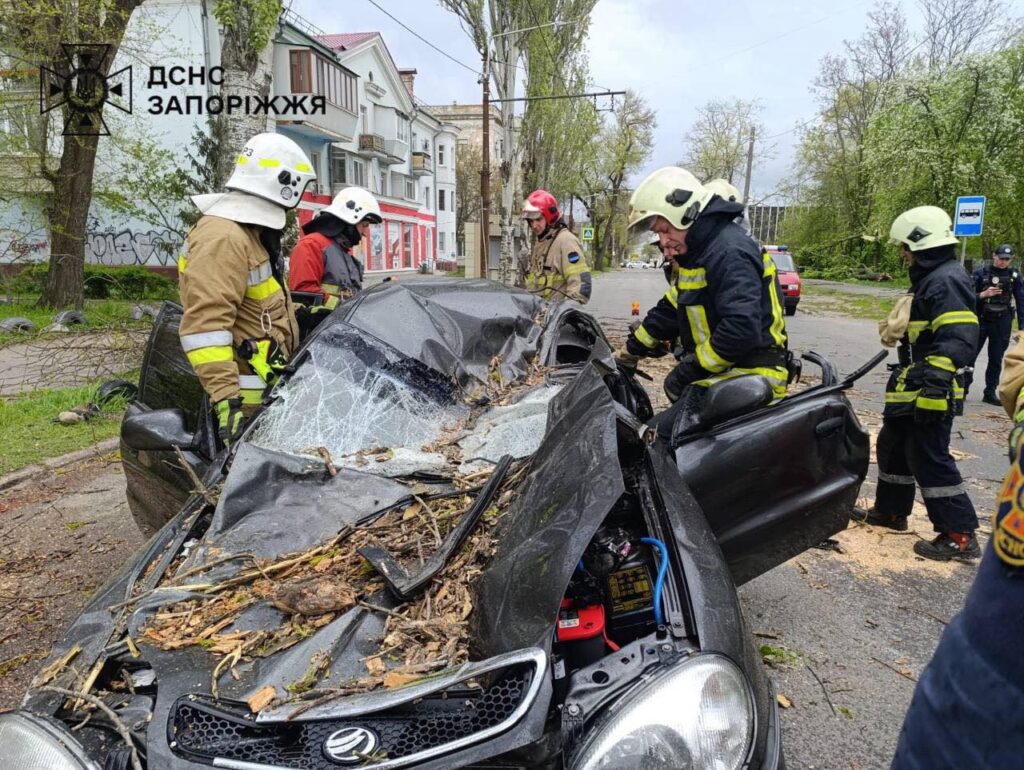
In Khmelnytskyi, according to local sources, the wind damaged roofs at shopping centers, and in Vinnytsia, gusts of wind blew away a public transportation stop. Damage to roofs was also reported in Dnipro and Odesa.
There are fatalities and injuries
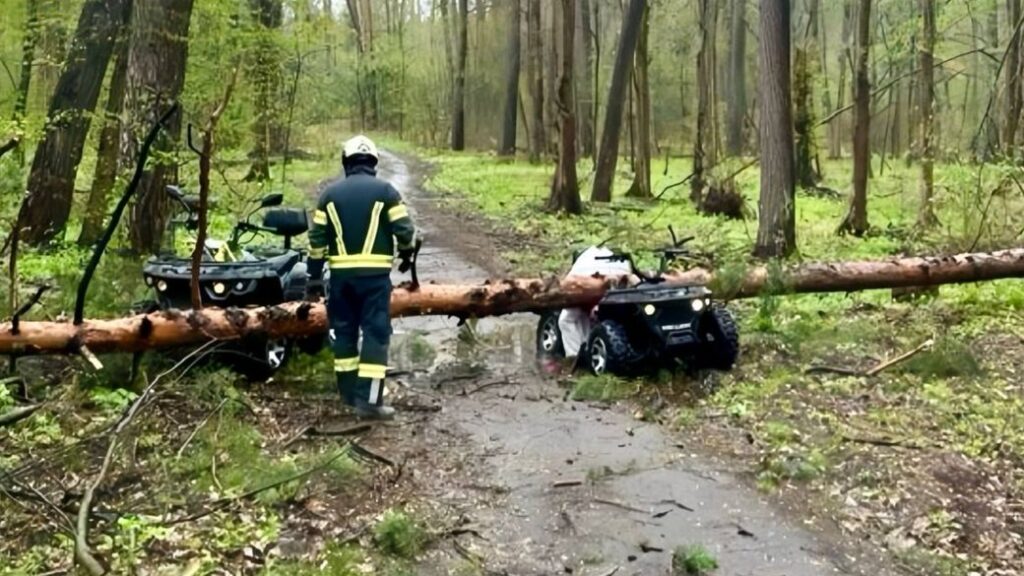
According to the State Emergency Service, in Cherkasy, a tree fell on an ATV while it was in motion. A woman born in 1997 was killed.
During a storm in Zakarpattia on April 26, a tree fell on a man. He died from his injuries.
According to the Ministry of Internal Affairs of Ukraine, a total of three people died as a result of the severe weather—in Zaporizhzhia, Zakarpattia, and Cherkasy regions.
According to rescue workers, there were also other casualties due to the bad weather; specifically, in Poltava, a tree injured a child.
Watch us on YouTube: important topics – without censorship
A Blow to the Harvest
The bad weather struck during a critical period of spring fieldwork. Hail, squalls, and dust storms could have damaged early spring crops, vegetables, young sunflower and corn seedlings, as well as blooming orchards.
Stone fruits—cherries, sweet cherries, apricots, and plums—are the most vulnerable in such weather. Strong winds and hail can knock off blossoms, which directly affects the future harvest.
In the western and northern regions, hail damaged early spring crops and vegetables.
In the Odesa and Mykolaiv regions, dust storms have arisen due to a prolonged lack of rain and strong winds. This causes the top fertile layer of soil to be blown away along with the recently sown sunflower and corn seeds.
At the same time, as of the morning of April 27, no official summary estimates of crop losses following the bad weather had yet been released. Farmers will be able to assess the exact extent of the damage after inspecting their fields and orchards.
How long will the wind last?
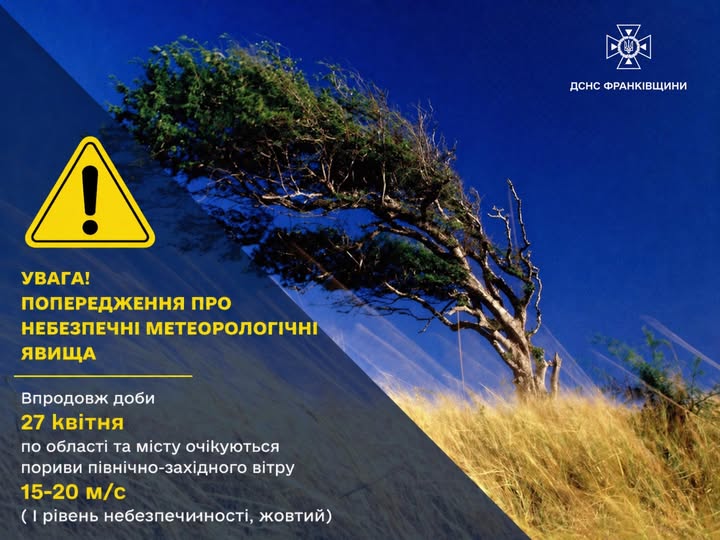
According to the forecast by the Ukrainian Hydrometeorological Center, on April 27, gusts of northwesterly wind at 15–20 m/s were still expected across Ukraine, except in the western regions.
At the same time, April 27–29 will be mostly dry, with only light rain possible in some areas of the north and northeast, and wet snow in some places on April 27.
Forecasters also warned of frost: at night, air temperatures may drop to 0–3° below freezing, and in the south and southeast, ground temperatures may drop to 0–5° below freezing. This poses additional risks to orchards, berry fields, and early vegetable crops.
What is known so far
Thus, the severe weather on April 26 became one of the most extensive weather events of this spring. It affected at least 13 regions, causing widespread power outages and damage to roofs, vehicles, roads, and power lines. The most severe consequences were fatalities caused by falling trees.
There is a separate risk for the agricultural sector. After hail, squalls, dust storms, and night frosts, farmers may face damage to crops, orchards, and young seedlings. The final extent of the damage will become clear after on-site assessments.
Read us on Telegram: important topics – without censorship