Hungary blocked a €90 billion EU loan to Ukraine: what happened and what are the consequences for the economy?
20 February 22:53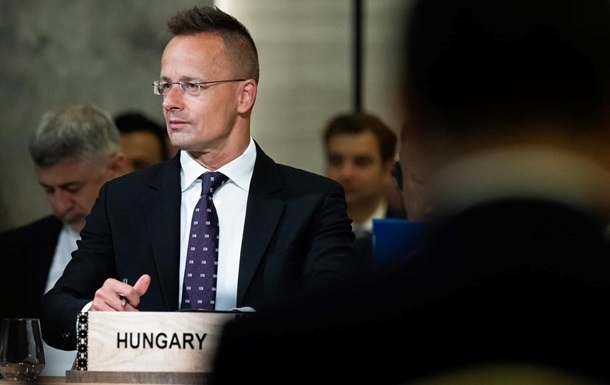
Hungary has blocked the European Union’s decision to grant Ukraine a €90 billion loan. The reason for this move was a dispute over the transit of Russian oil through the Druzhba pipeline. This was announced by Hungarian Foreign Minister Péter Szijjártó, according to "Komersant Ukrainian".
This decision could significantly affect Ukraine’s financial stability, as these funds are part of international support for the state budget for 2026.
Why Hungary blocked the loan to Ukraine
Hungarian Foreign Minister Péter Szijjártó said that Budapest would not support the EU loan to Ukraine until the transit of Russian oil through Ukraine via the Druzhba pipeline was resumed.
According to him, Hungary considers the suspension of transit to be political pressure.
“Ukraine is violating the Association Agreement with the EU and blackmailing Hungary, creating risks for the country’s energy security,” Szijjártó said.
Hungary also opposes the loan financing mechanism, which involves raising funds through the issuance of joint EU debt guaranteed by the bloc’s budget.
Why Hungary’s position has effectively halted the loan
In the European Union, decisions on granting such large loans are taken unanimously by all 27 member states. This means that even one country can block the process.
That is why Hungary’s position has effectively suspended the approval of financial assistance to Ukraine.
According to the Financial Times, the Hungarian representative opposed the financial mechanism during a meeting of EU ambassadors, which halted the decision-making process.
Why this loan is critically important for Ukraine
The €90 billion loan is one of the key elements of financial support for Ukraine amid the war and budget deficit.
Experts cite several key reasons for the importance of these funds:
1. Risk of budget deficit
Without international financing, Ukraine may face a shortage of funds to cover government spending.
2. Payments to the military, pensioners, and public sector employees
International aid ensures the stability of social and defense payments.
3. Negotiations with the IMF
Obtaining an EU loan is linked to a new €8 billion IMF financing program. Without EU support, negotiations may become more difficult.
What is known about the conflict surrounding the Druzhba oil pipeline
The Druzhba oil pipeline is one of the key routes for transporting Russian oil to Central European countries, including Hungary.
On January 27, the technological and auxiliary equipment of the Druzhba oil pipeline was significantly damaged as a result of a targeted Russian attack.
It is noted that work is currently underway at various stages to identify defects, stabilize the technical condition of the system, and eliminate the consequences of the Russian strike. Emergency repair work is being carried out with the involvement of specialized technical units and specialized equipment.
After the transit was stopped, Hungary and Slovakia announced possible fuel shortages and even stopped some of their diesel fuel supplies.
At the same time, the European Union stated that it had not set any deadlines for Ukraine to repair or restore the oil pipeline.