Ukraine introduces electronic conclusions of the HCPC: how it will change the system
5 March 2025 22:14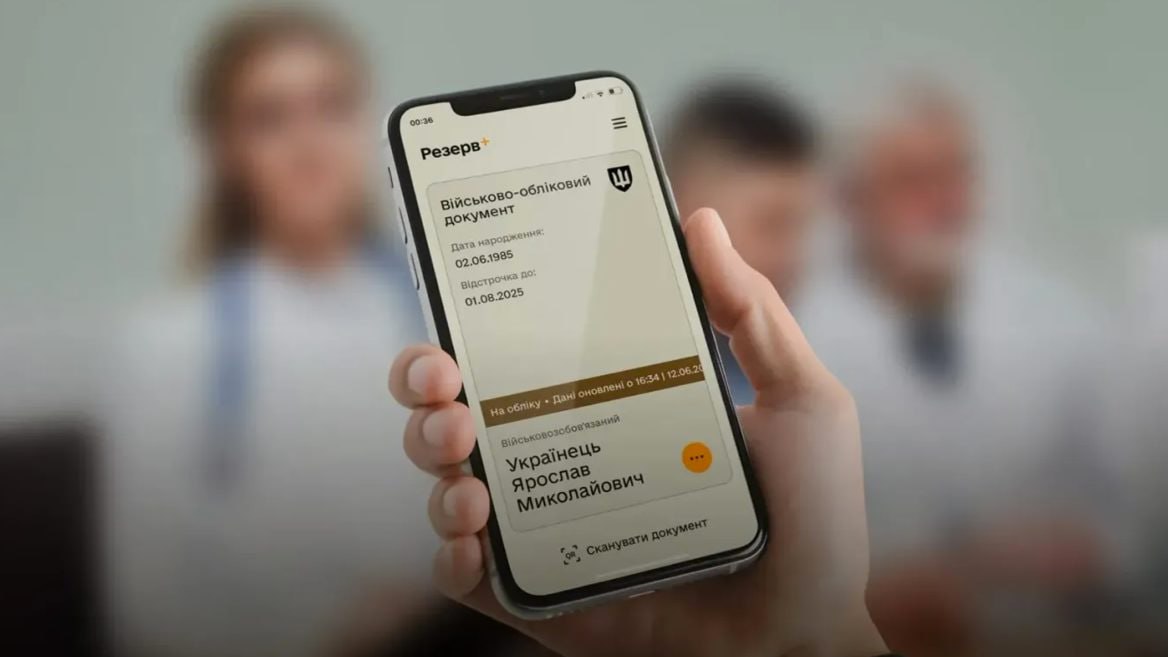
On March 1, 2025, Ukraine began to introduce electronic conclusions of military medical commissions (MMCs). This was reported by "Komersant Ukrainian" with reference to the Minister of Defense of Ukraine Rustem Umerov.
This is an important stage in the digitalization of the medical and military system, designed to simplify and speed up the process of medical examinations for persons liable for military service.
Under the new rules, employees of military medical commissions who have undergone special training are now able to issue resolutions in electronic format. Starting from April 1, 2025, this system will become mandatory for all military medical commissions across the country.
How will the electronic conclusions of the MECs work?
Digitalization of military medical commissions involves automated data processing and simplification of bureaucratic procedures. The main changes include:
- Referrals to theMLC. All persons liable for military service who have received a referral for a medical examination will be registered in the electronic register Oberih. This will allow documents to be promptly transferred to the relevant military qualification commission.
- Formation of conclusions. After the examination, doctors’ conclusions will be automatically registered in the system and will be available in digital form.
- Data recording and storage. All decisions on fitness or unfitness for service will be stored in the Medical Information System of the Armed Forces of Ukraine (MIS AFU). In addition, persons liable for military service will be able to view their conclusions through the mobile application “Reserve”.
Benefits of the digital reform of the MEC
The introduction of electronic document management in medical commissions has a number of significant advantages:
- Acceleration of the document review process. Previously, the conclusions of the MLC were drawn up manually, which often led to delays in decision-making. Now the entire process will be much faster thanks to the automated system.
- Reduced bureaucratic burden. Persons liable for military service no longer need to bring paper documents in person – all data will be transferred in digital format between the relevant institutions.
- Transparency and accuracy of information. The automated registry reduces the risk of errors, forgery or loss of important information.
- Improved coordination between institutions. All data on persons liable for military service and their health status will be available in real time to the relevant agencies, which will allow for more efficient decision-making on fitness for service.
What does this mean for people liable for military service?
Thanks to the digitalization of the HCM, persons liable for military service will be able to avoid long waits in queues, reduce the number of contacts with officials and the risk of abuse in medical commissions. Doctors’ opinions will be available online, and decisions will be made faster. At the same time, the system allows for prompt updating and verification of data, which is important for decision-making in wartime.
What are the risks?
Despite the obvious advantages, the introduction of electronic HLC conclusions also raises certain questions and concerns. The main risks include:
- Technical failures. New systems require a stable digital environment, and server outages can lead to delays.
- Personal data security. The storage and processing of sensitive information about the health status of conscripts requires a high level of protection against data leakage.
- Staff training. Medical staff and military commissions must quickly adapt to new digital processes, which requires time and resources.