The world’s largest container shipping company is launching a route that bypasses the Strait of Hormuz
5 May 13:21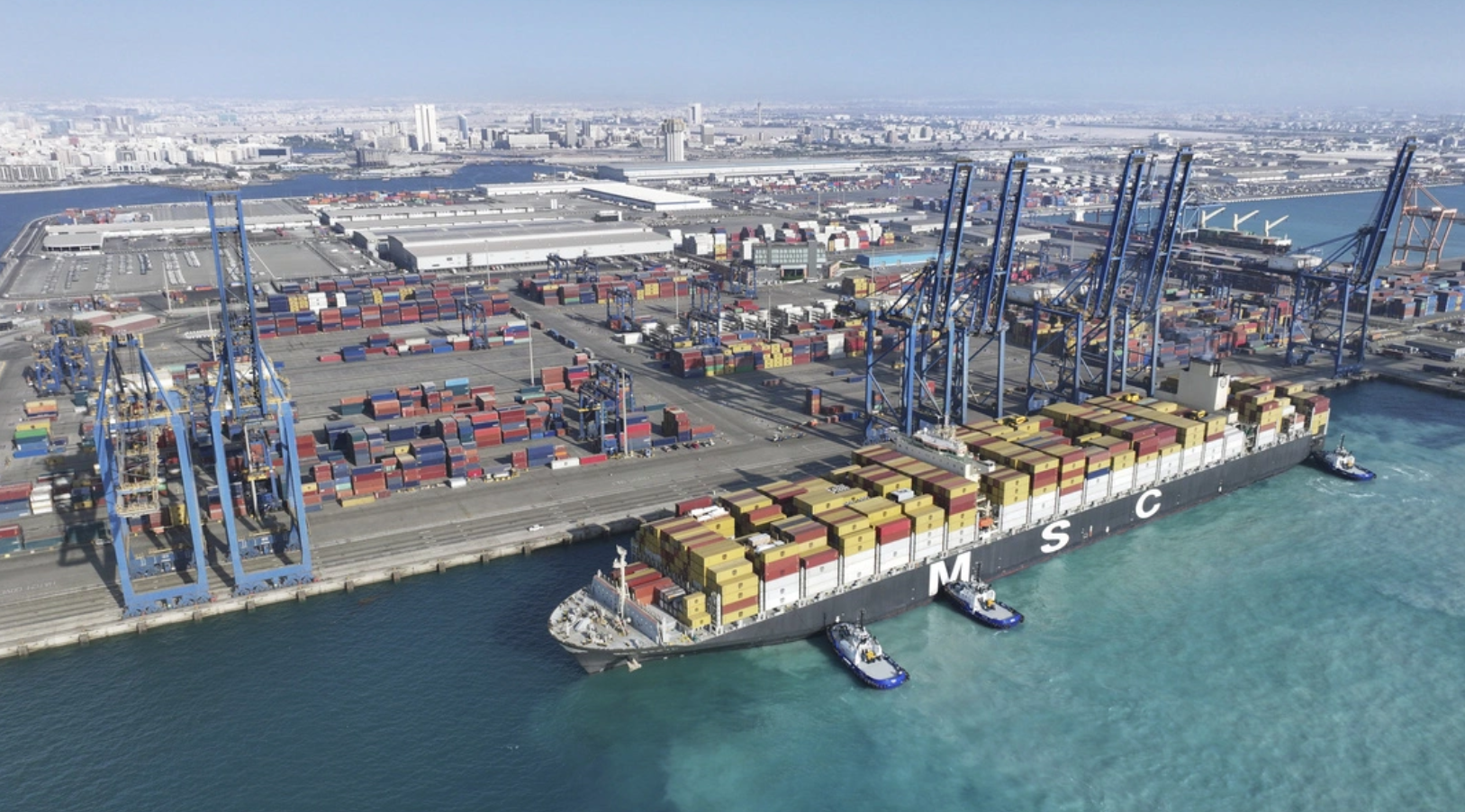
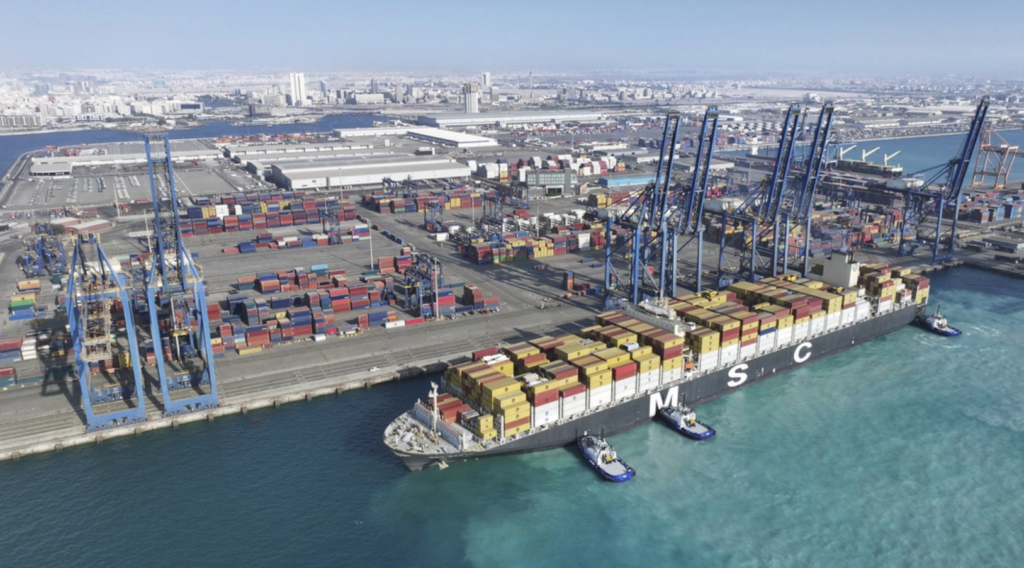
The Swiss container shipping company Mediterranean Shipping Company is launching a new route: the Europe–Red Sea–Middle East Express. The service is designed to connect European ports with ports in the Red Sea and the Persian Gulf via MSC’s multimodal network, effectively allowing ships to bypass the troubled Strait of Hormuz. MSC itself announced the launch of the new service, according to "Komersant Ukrainian"
The new route is being introduced amid the complex situation in the Middle East and restrictions on shipping in the Strait of Hormuz.
Why MSC is launching a new route
MSC explained that the new service is needed due to growing demand for shipments from Europe to the Red Sea region and the Middle East.
“This step was taken in response to growing demand for shipments from Europe to the Red Sea and the complex situation in the Middle East,” MSC stated.
In essence, this is about adapting global logistics to the new reality: due to tensions in the Strait of Hormuz, shipping companies are forced to seek safer and more flexible routes for cargo delivery.
Which ports will the new MSC service connect?
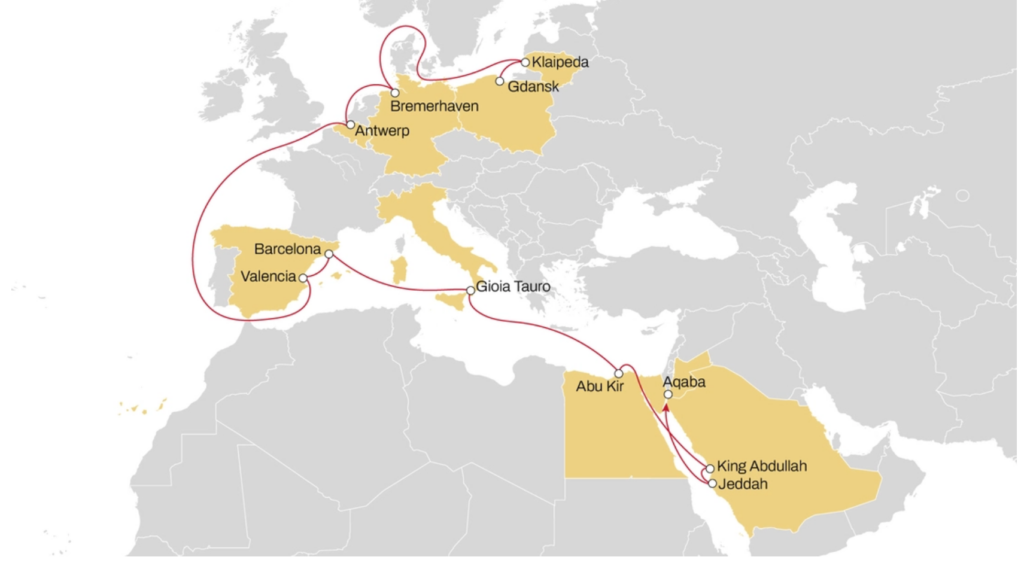
The new Europe–Red Sea–Middle East Express route includes calls at strategically important ports in Europe, the Red Sea, and the Middle East.
In the eastbound direction, the schedule will be as follows:
| Route sequence | Port |
|---|---|
| 1 | Gdańsk |
| 2 | Klaipėda |
| 3 | Bremerhaven |
| 4 | Antwerp |
| 5 | Valencia |
| 6 | Barcelona |
| 7 | Joyau Tauro |
| 8 | Abu Kir |
| 9 | King Abdullah |
| 10 | Jeddah |
| 11 | Aqaba |
The first voyage from Antwerp is scheduled for May 10.
How the route will help bypass the Strait of Hormuz
The Strait of Hormuz is one of the world’s most important maritime corridors. A significant portion of global energy and cargo shipments passes through it. However, due to the conflict between the U.S. and Israel against Iran, shipping traffic in this area has been severely restricted.
As a result, shipping companies are seeking alternatives. MSC’s new service allows for logistics planning via Red Sea ports and the use of multimodal solutions—sea, land, and combined routes—to Persian Gulf ports.
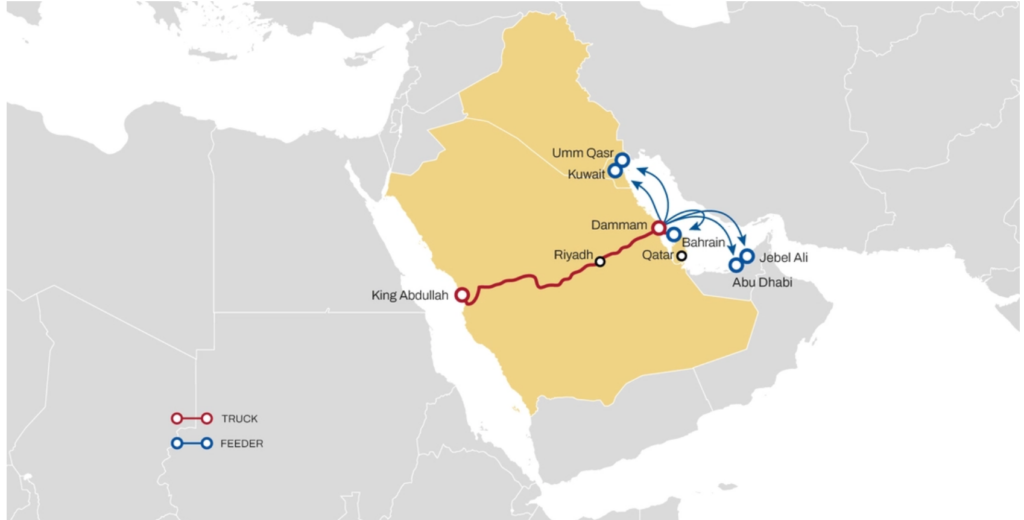
For businesses, this means more delivery options, although alternative routes may be more expensive and take longer.
Which routes will MSC serve?
The company states that the new service will provide direct connections to the ports of:
- King Abdullah;
- Jeddah;
- Aqaba;
- destinations in the UAE;
- the Upper Persian Gulf.
All European ports—from the northwest coast and the Baltic Sea to the Western Mediterranean, the Adriatic, the Eastern Mediterranean, and the Black Sea—will be served through MSC’s extensive maritime network.
Watch us on YouTube: important topics – without censorship
Why this matters for global trade
MSC is the world’s largest container carrier. Therefore, the launch of a new route is not just an internal decision by a single company, but an important signal for the global logistics market.
The consequences could be as follows:
- some cargo will be routed via alternative routes;
- the workload on ports in the Red Sea, Oman, and the UAE will increase;
- demand for land transport will increase;
- logistics costs may rise;
- delivery times may increase;
- companies will make greater use of multimodal solutions.
Other carriers are also looking for alternatives
MSC is not the only company changing its logistics due to the situation surrounding the Strait of Hormuz.
Hamburg-based Hapag-Lloyd announced in March the creation of overland transport routes through Saudi Arabia and Oman.
Denmark’s AP Moller-Maersk also announced multimodal solutions and the organization of “land bridges” for transporting cargo in the region.
This indicates that the world’s largest carriers are preparing for prolonged instability in the Middle East.
What is known about MSC
Mediterranean Shipping Company is the world’s largest container shipping company in terms of fleet size and cargo volume.
As of 2026, MSC operates approximately 1,000 vessels. The company serves over 500 ports and operates in more than 150 countries.
MSC’s total fleet capacity is about 7 million TEU, which accounts for approximately 21.4% of global container capacity.
Each year, MSC transports about 30 million TEU of cargo, remaining one of the key operators in global trade.
How this could affect prices
Bypassing the Strait of Hormuz and switching to more complex logistics schemes could affect shipping costs. Alternative routes typically require more time, additional coordination, and the use of overland transport.
This could lead to increased costs for importers and exporters, especially if the situation in the Middle East remains unstable.
At the same time, for shippers, MSC’s new service could be an important guarantee of supply continuity.
Read us on Telegram: important topics – without censorship