After Western brands left the country, Russia switched to assembling outdated Chinese cars
5 May 16:10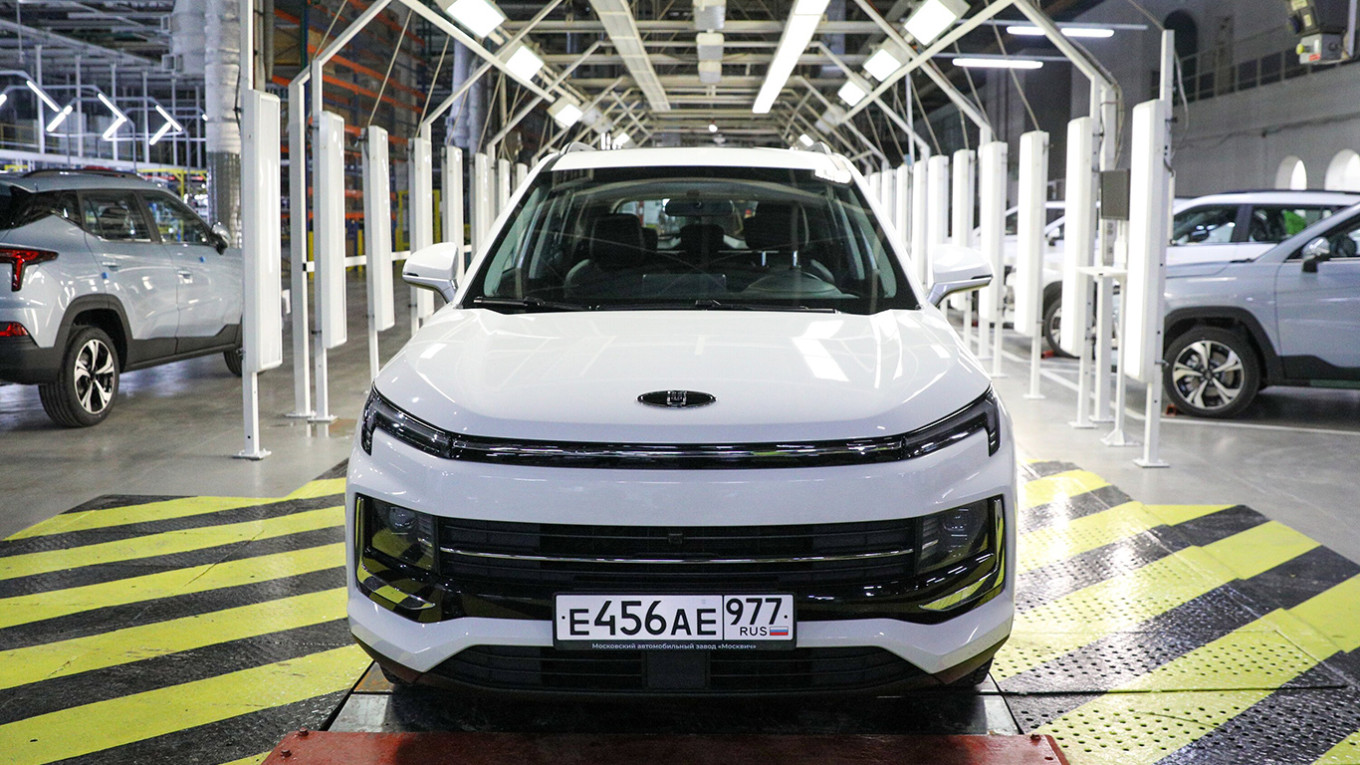
The average age of Chinese car models assembled in Russia following the withdrawal of global automakers from the country is 4.8 years. However, if the calculation is based not on the time elapsed since the last facelift but on the launch date of specific models, their average age could rise even further, according to "Komersant Ukrainian", citing Russian state-controlled media.
Some models mask their age with frequent restylings, although their technical components do not undergo significant changes.
For example, one of the bestsellers on the Russian market, the Chery Tiggo 7 Pro, was first introduced in 2019 and has since been updated several times, receiving the Max and L designations. In Russia, the car is produced under the Tenet brand.
Watch us on YouTube: important topics – without censorship
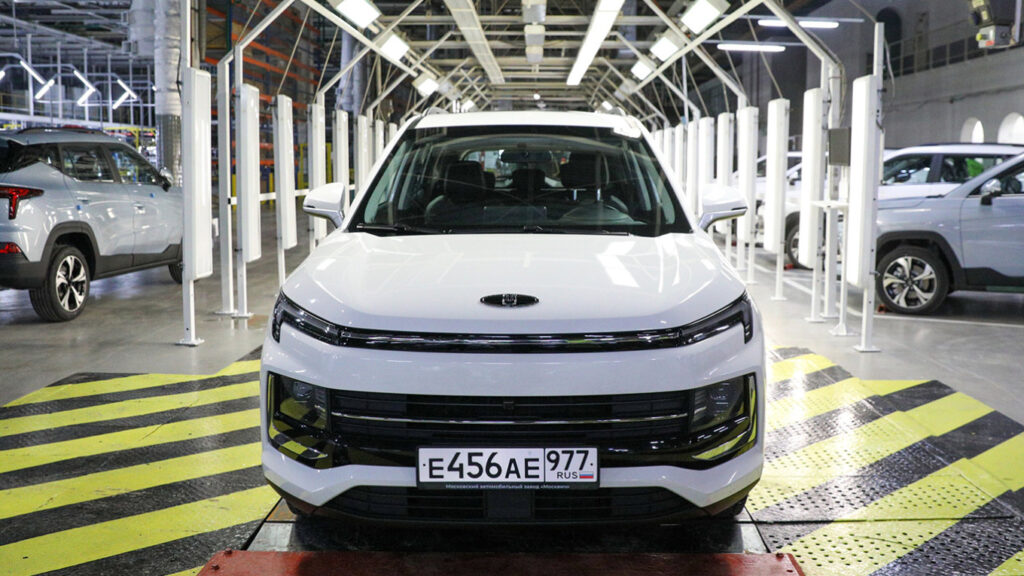
Another example is the “Moskvich 3,” which is a clone of the 2020 JAC JS4. However, this is an updated version of the car; its base model was introduced back in 2018. In turn, the Haval M6 crossover, which is manufactured in the Kaluga region, is built on the platform of the 2011 H6 crossover. Since then, the M6 model has undergone a series of changes to its body and interior, but has retained its original turbocharged engine and transmission. Another long-standing bestseller on the Russian market is the Haval Jolion, introduced back in late 2020. It is manufactured at a plant in the Tula region, although it has long been discontinued in China.
The licensed assembly model adopted by Russia does not, in principle, provide for the production of the latest cars, says Igor Morzaretto, a partner at the Autostat analytical agency. According to him, under such agreements, partners transfer the right to produce versions of previous-generation cars, which have often already been discontinued at the main plants or whose life cycle on the assembly line is nearing its end.
“Under current conditions, licensed assembly is the only path the Russian auto industry can take,” the expert noted.
After global automakers withdrew from Russia following the outbreak of the war in Ukraine, the automotive industry had to sign contracts on a “take what you can get” basis, says Anton Shaparin, vice president of the National Automobile Union (NAU). He noted that the situation is now beginning to change. In particular, the Tenet, Jeland, the new “Moskvich” line, Deepal, and future Volga models are “significantly more modern” than the cars that rolled off the assembly lines of Russian automakers in 2022–2023. However, given the rapid development of the automotive industry in China, they too will cease to be modern in time, Shaparin said.
Read us on Telegram: important topics – without censorship