Millions in losses and token punishments: Bronetsky on the NABU and SAPO agreements
10 June 18:27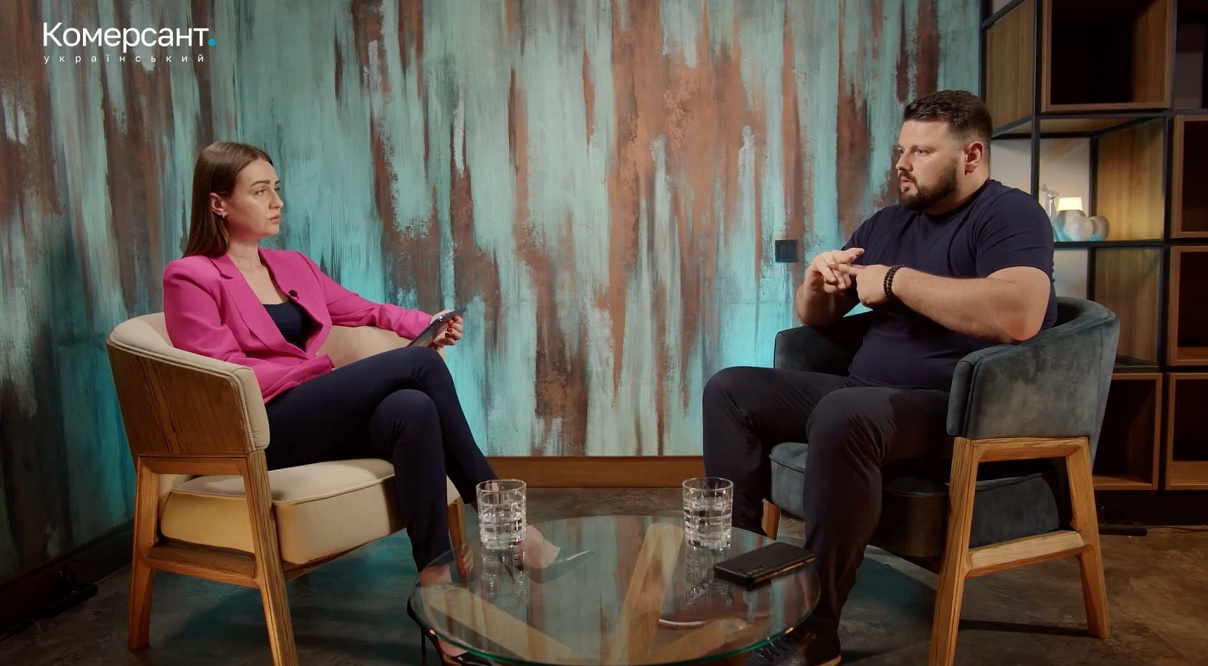
In Ukraine, the institution of plea bargains has become a tool that certain high-level corrupt officials use to resolve their own legal problems—instead of facing real consequences.
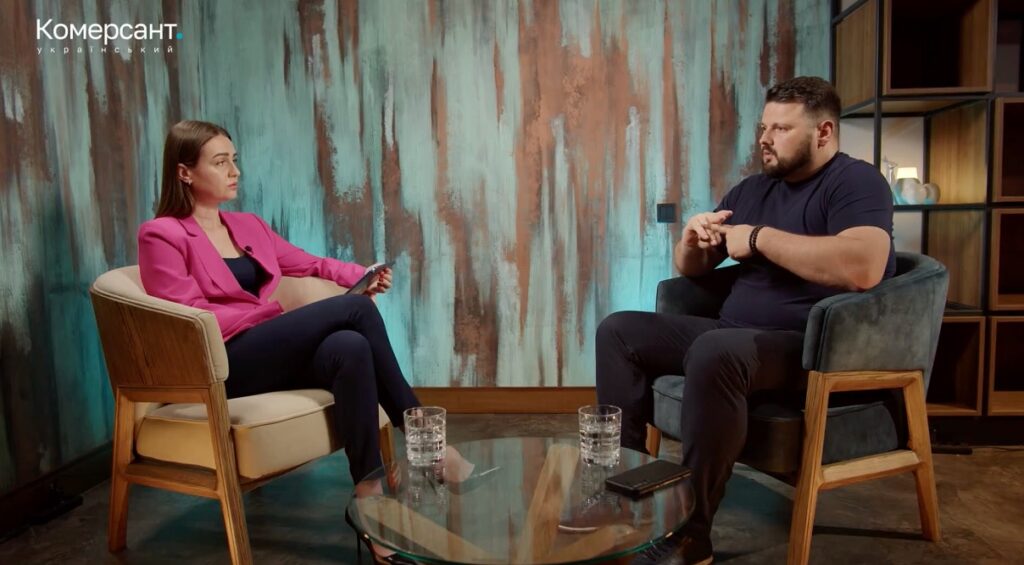
This was stated on the YouTube channel "Komersant Ukrainian" by Stanislav Bronevitsky, a former prosecutor with the Specialized Anti-Corruption Prosecutor’s Office and a lawyer.
Indeed, plea bargaining is a practice common in Western countries.
It was precisely this provision that was implemented into Ukrainian legislation, in particular at the request of Western partners. However, in Ukraine, this tool is often the subject of public debate, as defendants in high-profile corruption cases are increasingly receiving lenient sentences in exchange for cooperating with investigators.
It is this problem that Bronevitsky draws attention to.
“Some defendants in criminal proceedings use plea agreements as a way to resolve their procedural problems or the procedural crisis they have found themselves in as a result of investigations by the SAPO and NABU,” Bronetskyi noted.
In his view, the main problem is that plea agreements must serve the public interest. However, in practice, defendants in high-profile cases often pay relatively small fines and avoid real punishment, while the losses incurred by the state remain unreimbursed in full.
Bronetskyi emphasizes: if the state lost 100 million hryvnias ten years ago, then the return of that same amount today cannot be considered fair compensation, since the money has lost its value over that time, and the damage caused has never been properly compensated.
“The defense must compensate for everything, but it must do so fairly. We shouldn’t say that in 2010 we took 100 million, and in 2026 we’ll return that 100 million. No. That’s just a pretty picture. The difference between 100 million in 2010 and, for example, in 2026 is enormous. And the question here is what the state actually receives,” he says.
Read us on Telegram: important topics – without censorship
Bronetsky is convinced that the main criterion of justice is that both the average citizen and a defendant in a multimillion-dollar corruption case feel the inevitability and proportionality of punishment.
“As a former prosecutor, I understand how critically important it is to operate within the law. So that both ordinary people who receive the same 9-year prison sentence and the ‘big fish’ who want to make a deal—so that both feel they are receiving the punishment they deserve. Even when we’re talking about plea agreements,” he concluded.
Watch us on YouTube: important topics – without censorship