War exacerbates gaming and alcohol addiction, says a psychologist
21 January 15:39 YOUTUBE
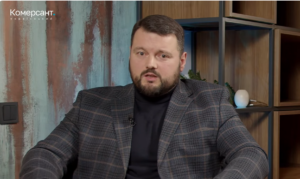
Addiction is not just about alcohol or drugs; it is a profound mental disorder that affects nearly every aspect of a person’s life. Full-scale war, chronic stress, and loss can accelerate the development of addictions and alter their structure, particularly exacerbating gambling and alcohol addiction. Psychologist and cognitive-behavioral therapist Vadym Melnyk discussed this in an interview with the YouTube channel "Komersant Ukrainian".
According to the psychologist, addiction is often mistakenly reduced to the mere fact of alcohol or drug use, although in reality it is a much more complex phenomenon.
“Addiction is actually a much broader and deeper problem than simply the use of alcohol or drugs. Addiction is a specific mental disorder that affects almost all areas of life,” he notes.
The psychologist adds that with the start of the war, and especially after the full-scale invasion, the level of alcohol abuse in Ukraine has risen.
“I think that indeed, with the start of the war, and even more so with the start of full-scale war, the level of alcohol abuse has risen. However, not all people who drink because of unpleasant emotions become addicted as a result,” he added.
Melnik explains that the key factor is not just the frequency of alcohol consumption, but the level of awareness and control.
“I would say that it depends not on the frequency of consumption, but on how consciously a person does it and how much they can generally control this process,” he says.
At the same time, he warns: if a person drinks alcohol regularly, that is already a warning sign.
“I would say that if consumption occurs every week, that is already frequent consumption,” he explains.
According to the psychologist, crisis situations pose a particular danger, as alcohol or other behaviors become a means of emotional survival.
“In the crisis situations we’re living through, alcohol dependence can develop much faster because it’s not just about drinking, but a way to cope with very complex emotions,” he says.
Separately, Melnyk draws attention to the rise in the number of reports regarding gambling addiction, which may be linked to economic losses and the illusion of a quick way out of the financial crisis. According to him, the idea of a quick win in conditions of uncertainty becomes particularly attractive, but at the same time dangerous.
The psychologist also confirms the existence of cases of gambling addiction among military personnel, although the causes of this phenomenon may vary.
“Unfortunately, there are also cases of gambling addiction among military personnel. And it does happen, that’s true,” he added.
Speaking about the most common types of addiction today, Melnik shares his own observations from practice.
“Alcohol and gambling addictions are roughly on the same level, followed by drug addiction,” he added.