Wildberries Responds to Rumors of Withdrawing from Russia
6 August 13:39
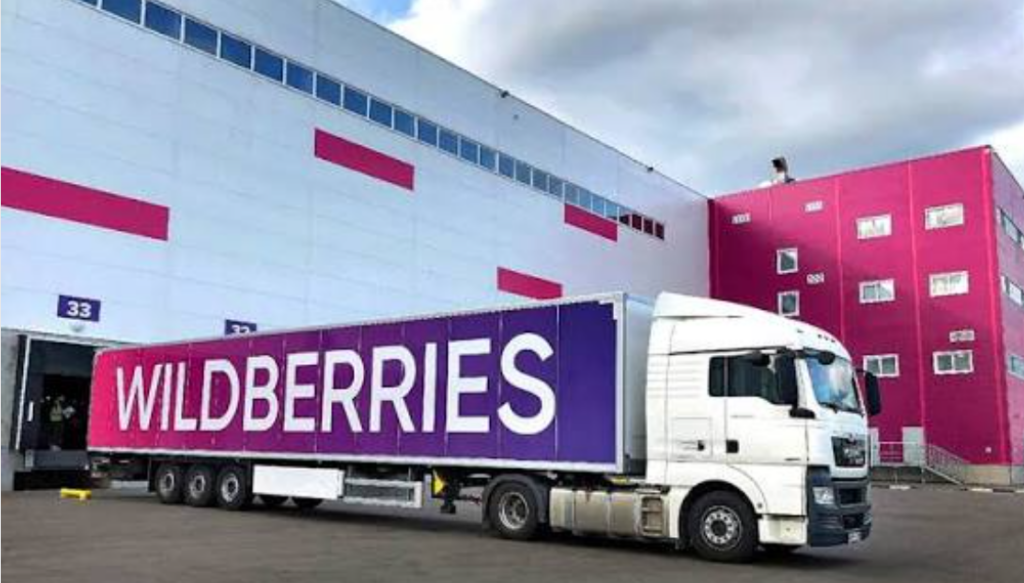
Wildberries, Russia’s largest marketplace, has denied reports that it is allegedly relocating its main logistics centers outside of Russia. The company stated that reports of such plans do not reflect the actual situation and are emotional interpretations.
This was reported by "Komersant Ukrainian", citing a company statement quoted by the Russian state news agency TASS.
What Wildberries said
The company’s press office emphasized that it has no plans to relocate its key logistics infrastructure outside the Russian Federation.
“We view all media reports regarding the acceleration of construction or the relocation of the company’s main logistics facilities outside the Russian Federation as an unnecessary attempt to stir up emotions, which does not reflect the nature of our business processes,” Wildberries stated.
Thus, the company has effectively refuted reports about a possible relocation of its logistics hubs to other countries.
Watch us on YouTube: important topics – without censorship
Wildberries is increasingly becoming a target of attacks
As reported by
In recent weeks, Wildberries’ logistics centers have been regularly targeted by drone strikes.
Previously, fires following attacks were reported at the company’s warehouses in:
- the Volgograd region;
- Penza;
- Sarapul;
- St. Petersburg;
- Yekaterinburg;
- Simferopol and other regions.
Large logistics complexes can be used not only for civilian trade but also to support dual-use logistics operations.
According to estimates by the Financial Times, following a series of strikes on Wildberries’ first warehouse complexes, the company has become one of the most vulnerable elements of Russia’s logistics system.
As of August 2, the total area of the attacked Wildberries warehouses was 1.2–1.5 million square meters, with 0.9–1.15 million square meters damaged—or 17–22% of the publicly stated 5.2 million square meters of RWB’s logistics infrastructure, according to an estimate by a leading analyst at the research agency Data Insight.
Since then, drones have completely or partially destroyed two more large warehouses belonging to the marketplace. RWB began restructuring its logistics and rerouting deliveries through smaller warehouses and its network of pickup points, but this lengthened delivery times and increased transportation costs.
Experts estimated the cost of restoring the destroyed facilities at 62.5–80.8 billion rubles, and sellers’ losses at 280 billion rubles.
Read us on Telegram: important topics – without censorship