Attacks by Ukrainian drones: Wildberries has decided to store its goods in warehouses in Kazakhstan, Uzbekistan, and Belarus
4 August 21:52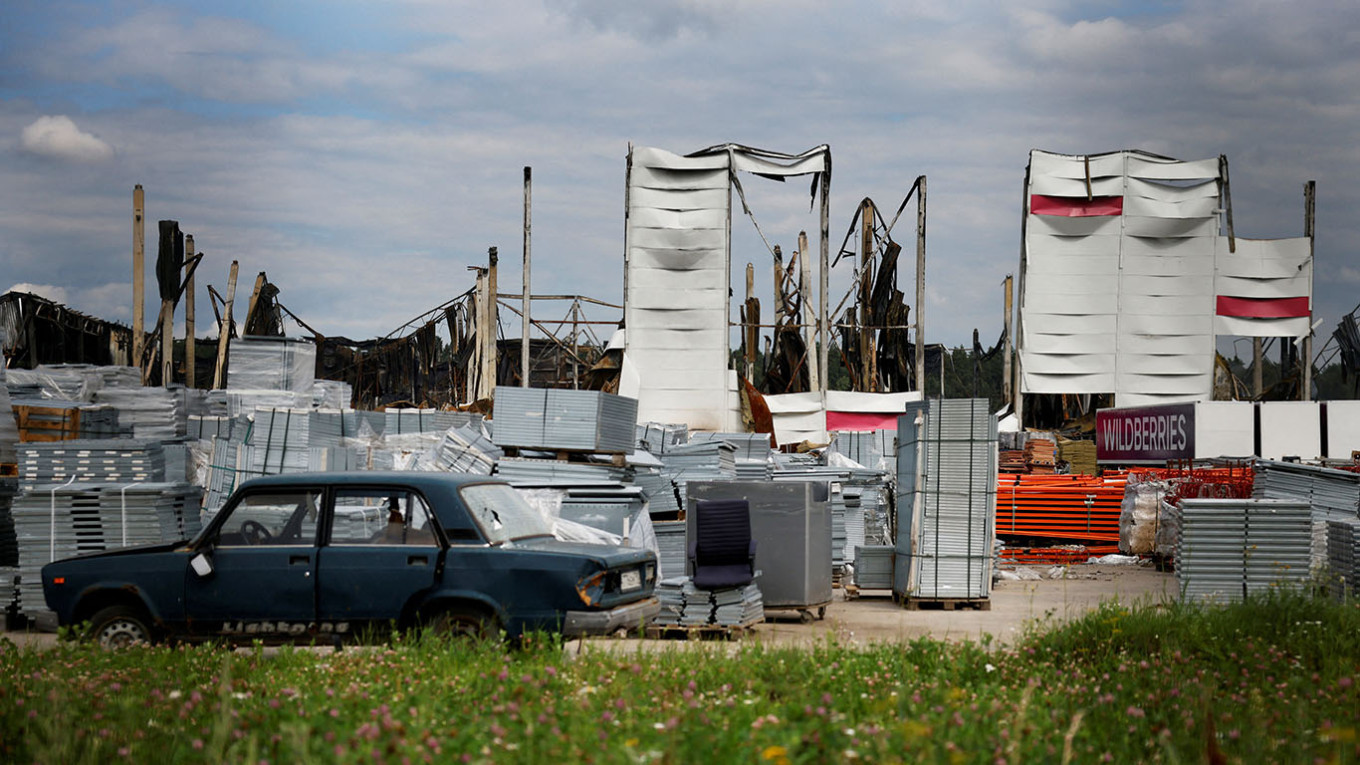
Wildberries, Russia’s largest marketplace—20% of whose warehouse capacity has been destroyed by Ukrainian drones—will redirect goods intended for long-term storage to warehouses in other countries, where they are unlikely to be attacked. Company employees are discussing this during meetings with sellers, according to "Komersant Ukrainian", citing Russian propaganda media.
“We were told that ‘long-term’ warehouses will now be located in Belarus, Kazakhstan, and Uzbekistan. They promised to provide details later on how this will affect prices and delivery times, and how the goods will be transported there,” says a participant in one of these meetings.
WB has been operating in the markets of these countries for several years. Another entrepreneur who attended a similar meeting shared details he obtained from WB representatives: the marketplace already has some warehouses—some owned, others leased—and it is already beginning to redirect goods abroad right now.
Watch us on YouTube: important topics – without censorship
“As soon as the company asks to ship goods to a new warehouse, drones start attacking it,” one of the sellers described the situation. Moving goods to overseas warehouses will protect them, but Russian sellers are worried about other problems.
Due to such “lengthy” logistics, WB will lose out to its main competitors in terms of delivery times and costs, explains one of the entrepreneurs.
“We’ll have to ‘shuttle’ the bulk of our goods back and forth,” he believes. Sales through the marketplace’s long-term storage warehouses account for 70–80% of large sellers’ revenue. “You won’t make much profit delivering from your own warehouses on your own—that’s for small and medium-sized players,” explains one of them.
Another problem: moving commercial shipments of goods across the border requires a customs declaration. And a significant number of WB sellers have a problem with this—they sell goods that entered Russia through gray-market or even black-market channels, says another seller.
“Large suppliers and manufacturers will be able to handle this, but small and medium-sized ones will face problems,” he believes.
It will be easier to transport imports from China to warehouses in Kazakhstan, and there will be even more of them on WB, which means competition for domestic sellers will intensify, worries one of the entrepreneurs.
“In the end, it won’t be Ukrainian drones that will put our business out of business, but cheap goods from China,” he fears.
In Astana and Almaty, the WB has leased approximately 46,000 square meters of warehouse space, and the company is building another approximately 260,000 square meters, which is scheduled to be commissioned in the first quarter of 2027, said Arman Shakkaliyev, Kazakhstan’s Minister of Trade and Integration.
No official request from Wildberries regarding the placement of additional warehouses has been received by the ministry, although, according to him, companies can negotiate directly with warehouse property owners without government involvement, the minister noted. Russia and Kazakhstan began work on integrating marketplaces even before the Ukrainian attacks on Wildberries, said Mikhail Galuzin, Deputy Minister of Foreign Affairs of Russia, in response to a question about RWB’s warehouses in Kazakhstan.
RWB is also building a large warehouse in Belarus (worth 11 billion rubles), but of the planned 140,000 square meters, only 20,000 square meters had been completed by May. In May, WB founder Tatyana Kim announced plans to build a second large warehouse complex in the republic. At that time, it was expected that these facilities would serve Belarusian customers.
In Uzbekistan, RWB is creating a Central Asian logistics hub, as the company’s CEO, Robert Mirzoyan, explained a month before the attacks on the company’s warehouses began.
The hub will combine the Wildberries sorting center and a warehouse complex currently under construction in the Tashkent region with an area of approximately 170,000 square meters, as well as infrastructure in other countries, and will connect key markets along the “Russia–Uzbekistan–Middle East” route, while also serving as a transit point for exporting goods to African markets via the “China – Uzbekistan – Africa” route—that was the plan.
As of August 2, the total area of Wildberries’ warehouses that had been attacked was 1.2–1.5 million square meters, with 0.9–1.15 million square meters damaged—or 17–22% of the publicly stated 5.2 million square meters of RWB’s logistics infrastructure, according to a leading analyst at the research agency Data Insight. Since then, drones have completely or partially destroyed two more of the marketplace’s large warehouses. RWB began restructuring its logistics and rerouting deliveries through smaller warehouses and its network of pickup points, but this lengthened delivery times and increased transportation costs. Experts estimated the cost of restoring the destroyed facilities at 62.5–80.8 billion rubles, and sellers’ losses at 280 billion rubles.
Read us on Telegram: important topics – without censorship