Britain is ready to defend the Ukrainian peace agreement on land and in the air
3 March 2025 15:45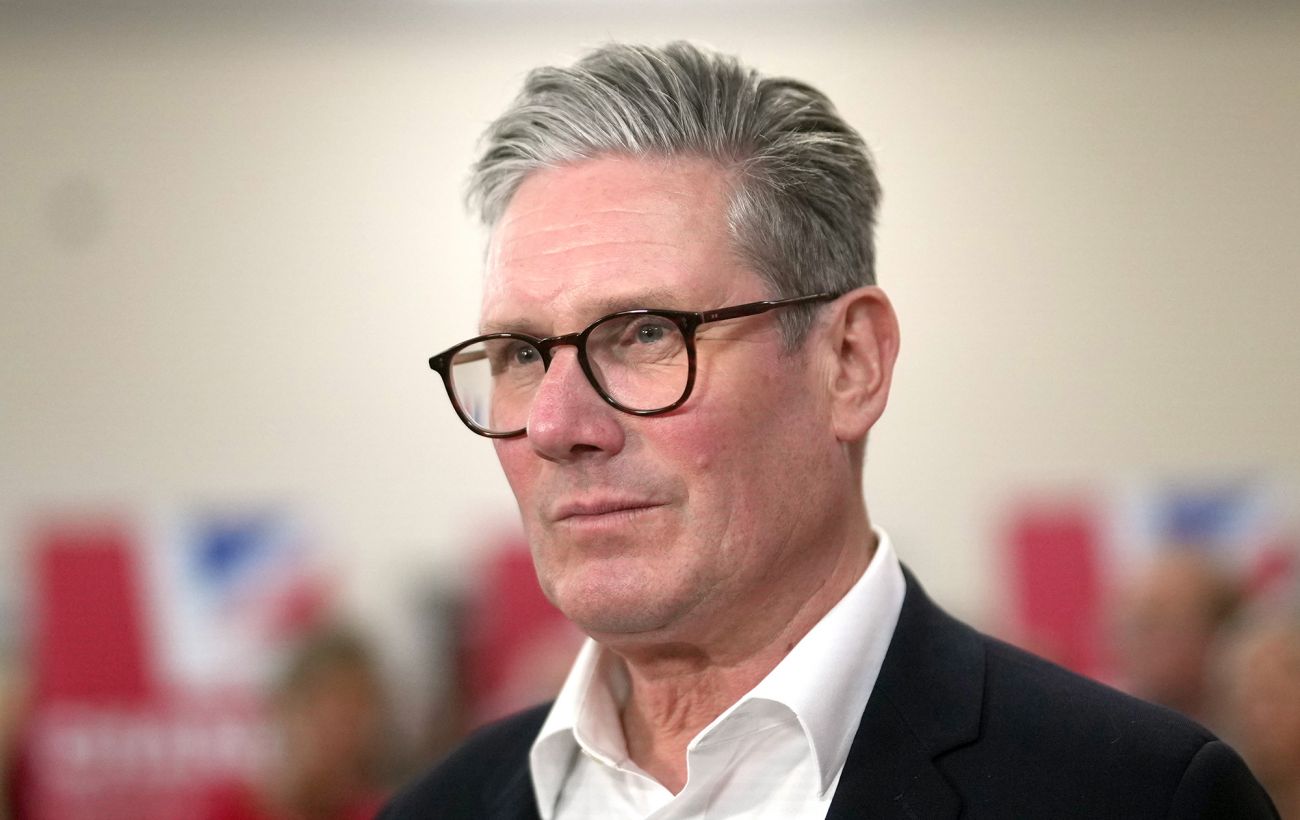
British Prime Minister Keir Starmer has proposed the creation of a coalition of European allies that could strengthen their role in defending a potential peace agreement between Ukraine and Russia to “guarantee peace.” This was reported by "Komersant Ukrainian" with reference to sky news.
At a press conference after the EU leaders’ summit in London, Starmer said that some EU countries might be willing to increase defense spending to protect any peace agreement reached between Ukraine and Russia.
However, the prime minister acknowledged that such a coalition has not yet been formed and warned that “not every country will feel able to contribute.” Instead, he said that “those who are willing” – though he did not specify which countries – “will intensify planning now with real urgency.”
Of his own country, Starmer said:
“The UK stands ready to support this with troops on the ground and aircraft in the air, along with others. Europe has to do the hard work.”
The British prime minister also categorically rejected claims that the United States is no longer a reliable ally after a tense meeting between Presidents Trump and Zelensky at the White House on Friday.
“I do not accept the claim that the United States is an unreliable ally. The United States has been a reliable ally of the United Kingdom for many decades and continues to be so,”
– he said.
Starmer confirmed that the UK, France and Ukraine will work on a peace plan to be presented to the US and that the White House will continue to be involved in this process.
Asked if he had tried to convince other countries to join the so-called “coalition of the willing,” Starmer said that “a number of countries” have indicated that they want to be “part of the plan we’re developing.”
Also during the press conference, Starmer announced a new deal that will allow Ukraine to use 1.6 billion pounds of British export financing to buy another 5,000 air defense missiles. The prime minister said that this move would create jobs in the UK defense sector and would also be “vital to protecting critical infrastructure and strengthening Ukraine.” However, the prime minister did not specify that these are Lightweight Multirole Missile Martlet missiles, which are mainly used to shoot down drones.
This is in addition to the UK’s announcement to increase defense spending to 2.5% of GDP by 2027 from the current 2.3%. Chancellor Rachel Reeves also announced that the UK will provide Ukraine with an additional £2.26 billion for its war effort, funded by the proceeds of frozen Russian sovereign assets.
Читайте нас у Telegram: головні новини коротко
Security of Ukraine and Europe
The Munich Security Conference 2025 came as a real shock to many and a cold shower to European politicians after the US representatives voiced their vision of the future security model in Europe and the world. In particular, US Vice President Jay DeVance ‘s speech was about Europe no longer relying on the US security umbrella, as the US will no longer guarantee it. The Europeans were also told that the security of Ukraine after the ceasefire with Russia will also be on their shoulders, as it concerns European affairs, from which the United States is withdrawing.
And now the United States does not even “physically” see Europe at the table with Russia.
Against this backdrop, President of Ukraine Volodymyr Zelenskyy called for the creation of the European Armed Forces. This idea has already been quickly rejected in Poland.
Europeans were shocked by this turn from the United States. British Prime Minister Keir Starmer was the first to recover, saying that his country “can and will” send its contingent to Ukraine as a peacekeeper if a truce with Russia is concluded.
on February 17, French President Emmanuel Macron urgently convened the heads of “leading European states” to form a common position on this issue. However, it was not achieved. As it turned out, Britain, France, and Sweden were in favor of sending peacekeeping contingents to Ukraine, while Germany, Poland, Italy, and Spain were against it. Later, Macron said he was not going to send troops to Ukraine.