Due to the war in the Middle East: NBU Governor forecasts a rise in inflation
14 April 14:11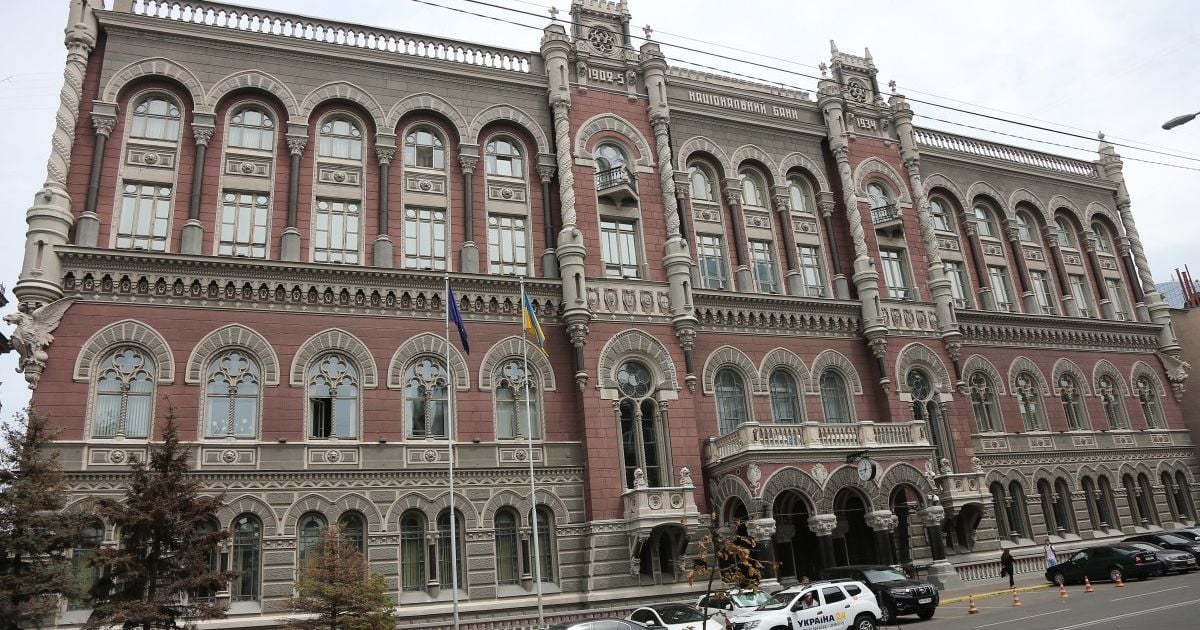
The war in the Middle East, which has caused oil prices to spike, could add between 1.5 and 2.8 percentage points to Ukraine’s inflation rate.
This was reported by "Komersant Ukrainian", citing Reuters, which published a statement by NBU Governor Andriy Pyshnyy.
Forecasts and Risks
Speaking at the spring meetings of the IMF and the World Bank in Washington, Pyshnyy noted that prices have already begun to rise, and the secondary effects of the war (particularly on fertilizer prices) will also be “quite significant.”
“We are trying to walk a tightrope,” the NBU governor said through an interpreter.
He confirmed that the central bank remains committed to its goal of reducing inflation to 5% within three years, using all available tools. Meetings will be held next week to assess the full impact on Ukraine’s economy.
Meetings in Washington
Pyshnyy is part of a large Ukrainian delegation attending IMF and World Bank events. He will meet with U.S. Treasury Secretary Scott Bessent, other high-ranking officials, members of Congress, and Federal Reserve Chair Jerome Powell.
The goal is to ensure that Russia’s war against Ukraine (now in its fifth year) remains on the agenda, despite the new conflict in the Middle East.
Hungary and the EU Loan
The head of the National Bank of Ukraine welcomed the results of the Hungarian elections, where Viktor Orbán’s party suffered a defeat. He expressed hope that this would resolve the delays in granting Ukraine a €90 billion EU loan.
Orbán had previously blocked the allocation of funds due to a dispute over a war-damaged pipeline.
Attacks on the Energy Sector and Migration
Pyshnyy also noted that massive Russian strikes on Ukraine’s energy infrastructure will hinder economic growth and increase the outflow of migrants.
Although the government expects the migration flow to turn positive once hostilities cease, the protracted war is complicating the return of some 6 million Ukrainians who remain abroad.
“The longer this goes on, the higher the risk of Ukrainians assimilating abroad,” he emphasized.
As a reminder, inflation in Ukraine has already accelerated: prices rose by 7.9% over the year and by 1.7% in March 2026.
The main reasons were rising fuel prices due to the conflict in the Middle East and rising global oil prices. Food, fuel, and utilities saw the sharpest price increases.
The war between the U.S. and Israel against Iran has been ongoing since late February 2026. The Strait of Hormuz, through which about 20% of the world’s oil passes, has effectively been closed by Iran, causing oil prices to surge to over $100 per barrel.