A Diplomatic Breakthrough and an Economic Trap: What Zelenskyy Is Bringing Back from Washington and Why the Kremlin Has Reached a Dead End
29 July 21:17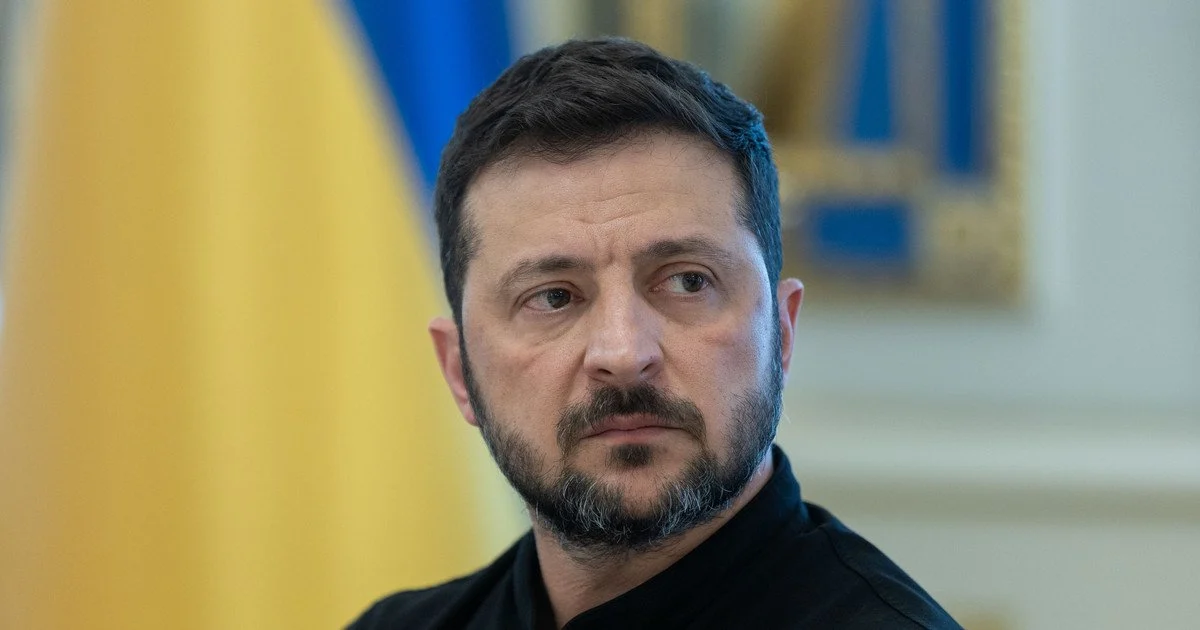 ANALYSIS
Volodymyr Zelenskyy’s return from the U.S. and his subsequent conversation with French President Emmanuel Macron showed that the geopolitical landscape surrounding the war in Ukraine has shifted significantly. While Kyiv and Paris are coordinating steps on energy security and preparations for a difficult winter, Washington is reshaping its policy toward Russia, which is significantly upending the Kremlin’s initial calculations. What did Zelenskyy actually bring back from the U.S.? How are the Graham-Blumenthal bill and the 86 “yes” votes in the Senate creating a new level of sanctions pressure? How is Ukraine becoming a unique partner for the West? Why is the Kremlin forced to make excuses about “contacts,” and why have the main skeptics been sidelined from communications? Read the article in "Komersant Ukrainian".
What did Zelenskyy bring back from the U.S.?
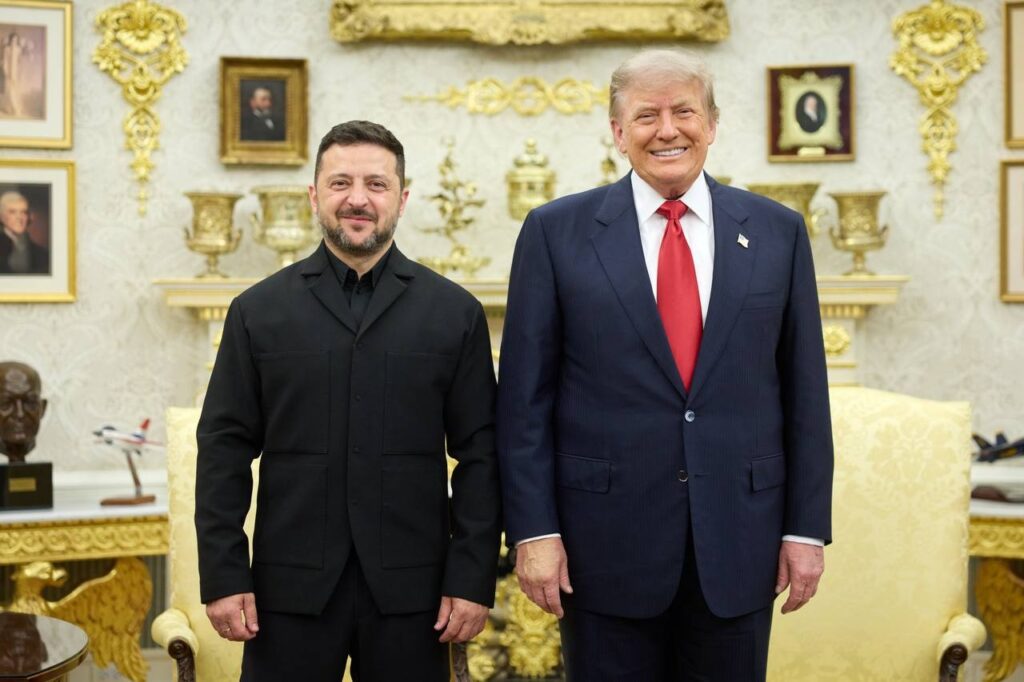
The Ukrainian president’s trip to Washington turned out to be much more productive than skeptics had predicted. In addition to his visit to the Senate and meetings at the White House, a key achievement was real progress on the critically important Graham-Blumenthal bill. The procedural vote, which Zelenskyy attended in person, showed overwhelming support—86 senators voted “yes.”
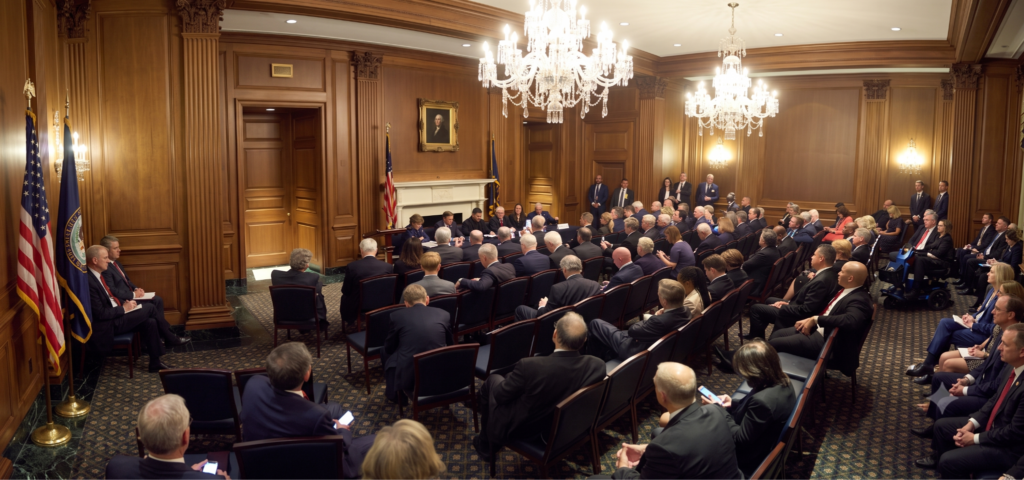
The main achievement of diplomacy right now is not just calls for support, but concrete mechanisms being established in the U.S. In particular, this includes the possibility of imposing tariffs of up to 100% on goods from countries that continue to purchase Russian oil and gas (primarily India and China). In addition, the document explicitly provides for personal sanctions against Vladimir Putin and the Russian Federation’s top leadership. Air defense and energy security: Negotiations in the U.S. have laid the groundwork for new deliveries of air defense systems and PAC-3 missiles for the Patriot systems, which is critically important ahead of the winter season.
Watch us on YouTube: important topics – without censorship
Moreover, American weapons manufacturers are already actively integrating the Ukrainian Armed Forces’ databases and combat experience to develop artificial intelligence for the latest weapons systems. This is transforming Ukraine from a “recipient of aid” into a unique technological partner of the West, whose significance surpasses that of many formal NATO members.
What’s the current state of affairs between Trump and Putin?
Recently, a question has been popping up more and more often in the media: has a rift truly developed between Donald Trump and Vladimir Putin? Kremlin spokesperson Dmitry Peskov regularly states publicly that “contacts are ongoing,” but experts view this as an attempt to save face amid actual isolation. Political analyst Volodymyr Tsybulko explains the situation.
“The Kremlin has nothing to say in this situation; they need to somehow create the illusion that the White House is talking to them… Obviously, Putin doesn’t know what to do about this bill. Essentially, the Kremlin is now having to make things up,” says Tsybulko.
The change in behavior by Trump and his inner circle can be explained by the pragmatic nature of American politics. At first, Trump gave Moscow a certain amount of leeway, hoping that the aggressor’s strength would yield quick results. Since that result has not been achieved, and Ukraine is demonstrating resilience and technological successes, the approach has shifted.
“Trump initially viewed Russia as the stronger side… Since there has been no success in subduing Ukraine—on the contrary, Ukraine has begun to demonstrate certain successes—it now makes sense to invest in Ukraine’s victory. Trump, by nature, doesn’t really like to be on the losing side,” said Volodymyr Tsybulko.
Another sign of this shift is that the most skeptical figures—notably J.D. Vance—have been completely excluded from direct communication with the Ukrainian delegation. At the same time, the Graham-Blumenthal bill itself is drafted in such a way that the U.S. President gains powerful leverage: he will have to personally explain to the Senate why sanctions against a particular sanctioned individual should not be imposed.
What is the Western press reporting?
Leading Western publications (Associated Press, The Wall Street Journal, Reuters) are analyzing in detail the results of Zelenskyy’s visit and the new legislative initiative in the U.S. Senate. Analysts at The Wall Street Journal and The Indian Express note that the threat of 100% tariffs on buyers of Russian oil is forcing even countries like India to be extremely cautious about future deals with Moscow. Indian oil refiners are already refraining from expanding trade in petroleum products with Russia, recognizing the risks associated with sanctions.
The Associated Press notes that the Ukrainian president’s presence during the procedural vote (86 to 12) united Republicans and Democrats. Senators explicitly call this bill the best tool to force the Kremlin to the negotiating table on realistic, rather than fictitious, terms.
The Macron Factor and Russia’s Economic Abyss
Immediately after departing Washington, Zelenskyy spoke with French President Emmanuel Macron. In a symbolic and significant gesture, Ukraine offered France the assistance of its specialists in fighting large-scale wildfires. This demonstrates a new quality of relations: Ukraine is acting as an equal partner, ready to help those who have supported it for years.
At the same time, in military terms, France remains the main pillar of the European defense industry. Unlike other countries, Paris has a full cycle of autonomous production—from nuclear warheads and delivery systems to aircraft carriers and air defense systems. Putin’s attempts to divide Europe through elections or political crises are thwarted by the fact that the creation of a unified security system in Europe has already become an irreversible process.
The Kremlin’s latest gamble on prolonging the war is running up against harsh economic realities within Russia itself. As Volodymyr Tsybulko emphasizes:
“Of the 83 regions of the Russian Federation, the majority are recipients, and only about 13–15 are donors. Right now, even the economies of donor regions, such as the Khanty-Mansi Autonomous Okrug, cannot balance their budgets… A massive wave of bankruptcies among leading banks and large companies in the Russian Federation is expected this fall.”
High oil production costs, the current price cap, and a lack of working capital in the Russian defense-industrial complex are putting the Russian Federation at risk of a deep financial crisis. The Kremlin’s gamble on a “winter collapse” of the West has backfired—now Moscow itself will face serious economic and military challenges this fall and winter.