The era of hypermarkets is coming to an end: mini-markets are taking over the market in Ukraine
2 August 10:18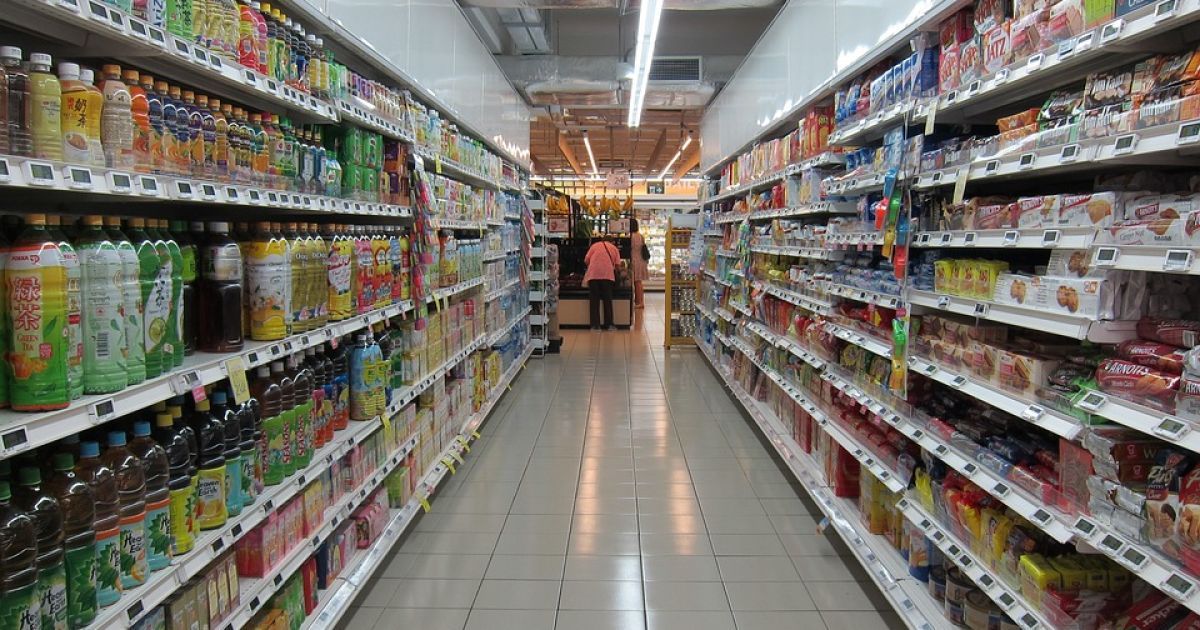
Over the past six years, large-format stores have practically stopped growing, while small “neighborhood stores” and discounters have become the main drivers of growth in the industry. This is reported by "Komersant Ukrainian", citing RBC-Ukraine.
The “neighborhood store” format has been the main beneficiary of the changes in recent years—both the challenges posed by the war and the transformation in Ukrainian consumer behavior.
Why Large-Format Stores Are Losing Ground
Igor Guglia, co-founder of the industry portal All Retail, explained to RBC-Ukraine that large-format stores were already in short supply even before the war began, and the situation has only worsened over more than four years of hostilities.
Today, only “Silpo” and Novus continue to expand in the large-format segment, while the rest of the players are focusing on smaller, more practical stores. Overall, from 2022 to 2025, the country’s grocery retail sector grew by 41.8% in terms of volume.
Small-format stores as a survival strategy
Varus’s acquisition of the “Kolo” chain is a striking example of this trend: the deal, covering 254 retail locations, will strengthen the position of the Terwin management group specifically in the convenience retail segment, particularly in Kyiv.
Andriy Zhuk, head of the Ukrainian Retailers Association, notes that increased competition is forcing businesses to operate more efficiently, so a mass squeeze-out of small players is not to be expected—they still have the advantage of proximity to customers and serving as a “barometer” of demand, as evidenced by the successful examples of the regional chains “Faino Market” and “Blizhenko.”
Fozzy Group and Novus are trying to keep up by expanding “Fora,” “Trash,” and “Mi Market.”
Watch us on YouTube: important topics – without censorship