Iran is looking for a way to profit from the Strait of Hormuz
27 April 21:58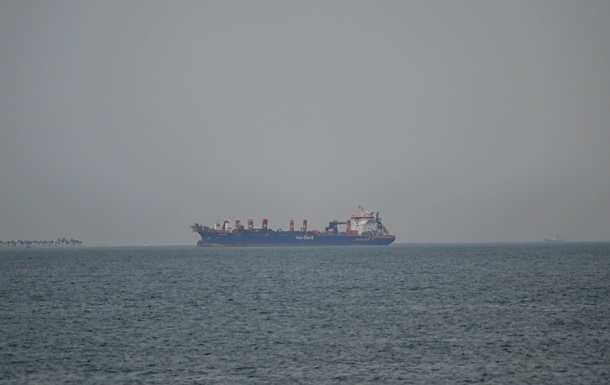
Iran could change the rules of the game in one of the world’s most vital shipping lanes—the Strait of Hormuz. The country’s parliament is considering a bill that would allow it to collect fees from ships passing through the strait, but not in the form of a direct transit fee.
The Guardian reports this, according to "Komersant Ukrainian".
According to the publication, the idea is to charge for services that Iran provides to ships during their passage.
“Iran proposes that shipping companies pay for specific services,” the publication notes.
Formally, this could look like a payment for security or escort services, rather than a traditional toll.
Ebrahim Azizi , head of the parliamentary committee on national security, clarified that payment must be made in the national currency—rials. He also explicitly points to a broader plan.
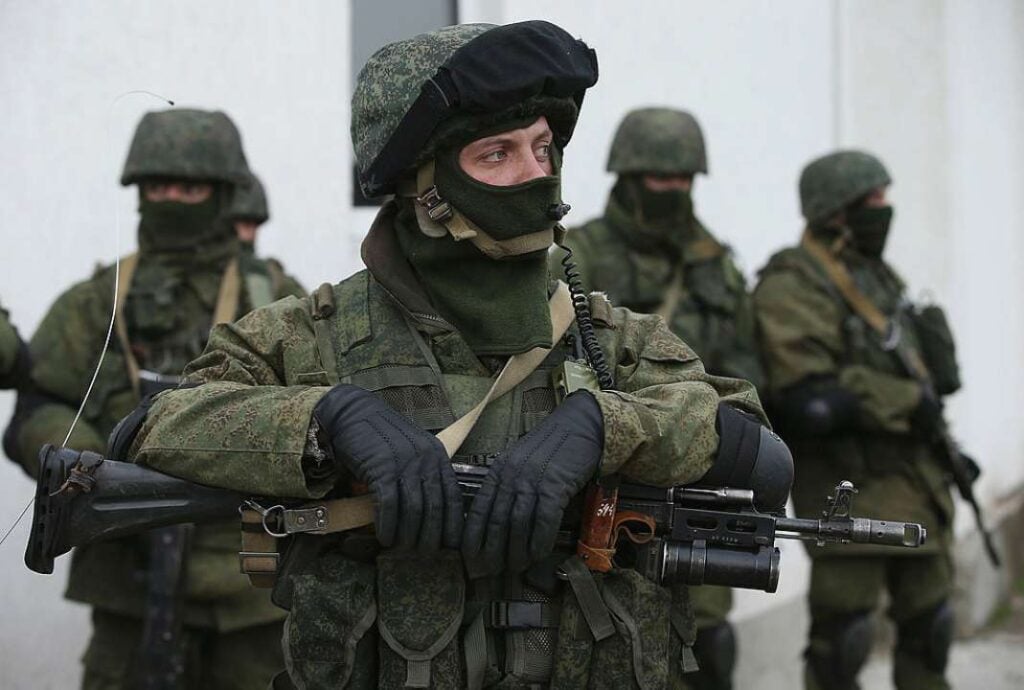
“De facto control over the Strait of Hormuz will be exercised by the Iranian armed forces,” he stated.
According to him, the military will not allow “hostile vessels” to pass.
However, under the United Nations Convention on the Law of the Sea, countries cannot charge fees simply for the act of passing through territorial waters. At the same time, they are permitted to charge for specific services—such as pilotage or security. It is precisely this provision that Iran is relying on.
It is worth noting that Tehran signed this convention but has not ratified it, which leaves room for its own interpretation of the rules.
In parallel, Iran is conducting diplomatic consultations. Foreign Minister Abbas Arakchi discussed the security of the strait during a visit to Oman. Both countries have territorial waters in this region, so their coordination is critical.
The bill itself has already been approved by the relevant parliamentary committee. Next, it must be endorsed by the entire parliament, after which the document will be reviewed by the Guardian Council and ultimately signed by the president.
The Strait of Hormuz is a key route for global oil supplies, and any new rules or restrictions immediately affect global markets.
Recall that the yacht of Russian billionaire Alexei Mordashov, owner of Severstal, passed unhindered through the Strait of Hormuz, which was effectively closed to shipping following the start of the U.S. and Israeli military operation against Iran.
Blockade of the Strait of Hormuz
Since the start of the US and Israeli military operation against Iran, Tehran has announced the closure of the strait. In response, the US imposed a naval blockade on Iranian ports and the coast.
It also warned that it would pursue ships of Iran’s “shadow fleet” even in international waters. On April 17, the Iranian side announced the reopening of the waterway to commercial vessels—this occurred after Israel agreed to a 10-day ceasefire with the Hezbollah group.
However, Iran soon revoked the permission, accusing Washington of “piracy.” On April 19, the Islamic Revolutionary Guard Corps stated that ship traffic would resume after the U.S. lifts its naval blockade.