Movies for Pennies: How the Ukrainian AI Series “MATY” Instantly Earned $2,500 on Social Media
26 June 13:27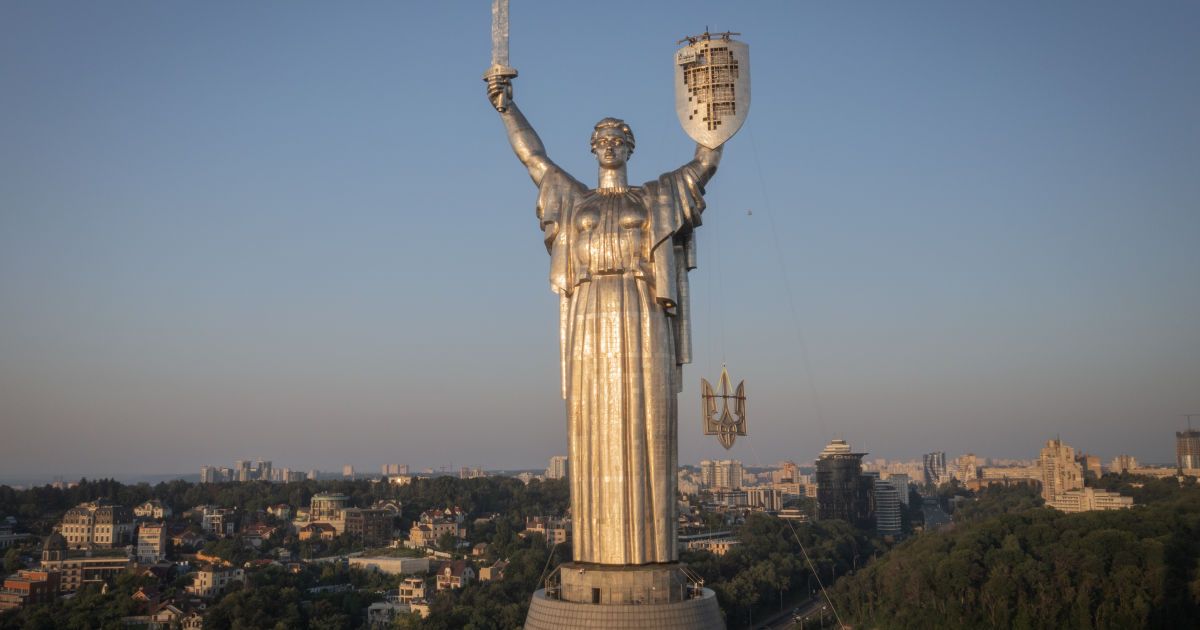 ANALYSIS FROM
World-renowned film studios are already acknowledging that AI is having a significant impact on the industry. The time is not far off when creating a large-scale, high-quality visual product will no longer require budgets in the millions, film studios, or hundreds of employees.
For example, “Hell Grind” (2026)—a 95-minute feature-length action-fantasy film created using the Higgsfield AI platform—was produced by a team of 15 people (mostly prompt engineers) in just 14 days. The budget was less than $500,000 (with $400,000 going solely toward paying for processing power).
By comparison, a traditional Hollywood film of similar visual scale would cost at least $50 million. The film was even screened at film market events during the Cannes Film Festival.
“Dreams of Violets” is another example of a generative feature-length film, shot entirely without cameras, lighting, or live actors. Its budget was a record-breaking $2,000, and the production process took only two months.
The Ukrainian film industry, while lacking the scale and funding of Hollywood, also demonstrates the enormous potential of artificial intelligence at the level of individual creators.
For example, a miniseries titled “MATY” by Ukrainian AI creator and editing coach Andriy Kinolog went viral on Instagram in just a few days.
The video is based on a symbolic plot: the Motherland Monument on the Pechersk Hills “comes to life” during yet another massive attack by Russian missiles and drones on Kyiv. Shocked by the threat to the lives of city residents—and in particular, a little girl—the 450-metric-ton steel sculpture descends from its pedestal and sets off northward through dense forests—toward where terrorists are preparing another attack.
Watch us on YouTube: important topics – without censorship
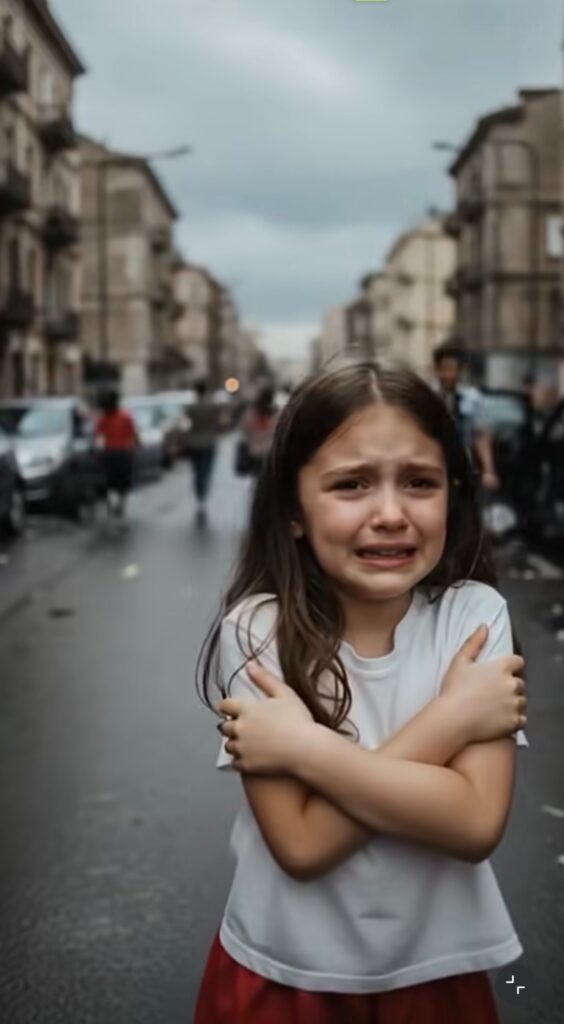
Each episode lasts only a few minutes, but the viewership growth allowed the creator to earn about $2,500 in revenue from social media ad monetization within the first few days.
Under traditional production conditions, creating a similar CGI animation on this scale would have required weeks of work by VFX engineers and thousands of dollars in investment. Artificial intelligence has cut that time down to a few days and reduced the budget to the cost of a few subscriptions to AI platforms, while demonstrating a fairly high return on investment.
Education for the AI Era: Are Ukrainian Universities Ready to Train Future Creators?
"Komersant Ukrainian" analyzed how artificial intelligence is transforming the Ukrainian advertising, film, and content production markets.
Yaroslav Yatsivsky, a lecturer in the Department of Information Activities and PR at the Kyiv National University of Culture and Arts and head of the PR Technologies Department at KNUCA, confirms that AI in Ukraine and around the world is already being actively used to create advertising videos, visuals, texts, and content for social media—and this is just the beginning of a new digital era in these fields.
“We see a great deal of advertising that is created either entirely or partially with the help of artificial intelligence. It takes on a significant portion of the tasks involved in design, editing, creating visuals, and writing texts and scripts. But that doesn’t mean humans are no longer needed,” the expert notes.
However, according to the expert, it is incorrect to say that artificial intelligence is taking jobs away from creative professionals. Instead, the new technology is changing the very approach to work and the set of required skills.
“The calculator didn’t take away mathematicians’ jobs, and the computer didn’t take away writers’ jobs. It simply gave them new opportunities. The same will be true for creative professions,” Yatsivsky is convinced.
A number of experts note that today we can confidently speak of the emergence of a distinct field—AI cinema.
“In 3–10 years, this technology will become a standard production tool. It won’t replace the director, but it will allow small teams to create projects at a level that previously required dozens of people and large budgets,” explains the instructor.
The development of artificial intelligence will inevitably change the job market in the media and creative industries. At the same time, most professions will not disappear but will transform. For example, the traditional designer or editor won’t disappear, but their work will be more about managing tools than carrying out every step themselves.
Futurists in the fields of film, advertising, and show business predict the emergence of new specializations in the near future, including AI director, AI producer, AI creative director, prompt engineer, AI editor, and generative content specialist.
Yaroslav Yatsivsky is convinced that journalism, for example, will still require human oversight for a long time to come, since artificial intelligence can invent facts or make mistakes, but higher education institutions must adapt their curricula to this new reality right now.
“And the most important point here is that the more precisely a person formulates a query, the better the result they get from artificial intelligence. Today, this is already a basic skill,” explains the instructor.
What Artificial Intelligence Cannot Replace
Despite the rapid development of technology, some skills will remain uniquely human for a very long time. First and foremost, these are ideas, intuition, taste, empathy, and emotion—AI can quickly generate text or images, but it is incapable of experiencing human life.
“Artificial intelligence has never felt loss, joy, or inspiration. That is precisely why human emotion and true creativity will remain unique,” adds the expert.
AI experts advise future professionals to start preparing now to work in an environment where artificial intelligence will become a common tool—and this requires continuous learning and practice.
Read us on Telegram: important topics – without censorship