Who Could Poland Deport Instead of “Draft Dodgers”? A Government Official Reveals an Important Detail
13 August 14:37
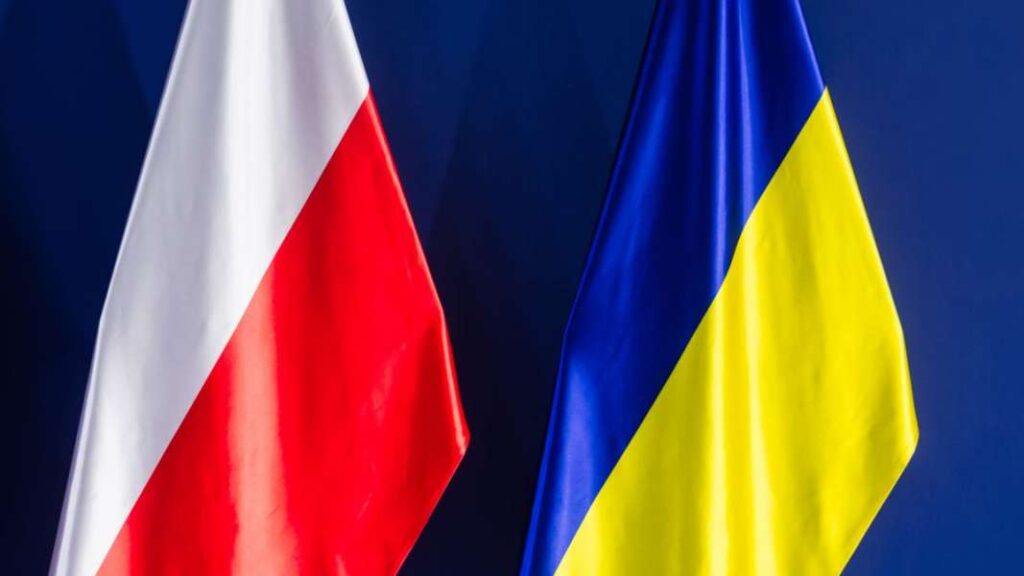
The proposal to deport unemployed Ukrainian men of draft age from Poland may affect not so-called draft dodgers, but wounded soldiers and parents caring for children with disabilities. Poland’s Deputy Minister of Internal Affairs and Administration, Maciej Duszczyk, made this statement on the program “Guest of the Day” on Polsat News, according to [Komersant].
The initiative by the opposition Law and Justice party calls for the deportation of Ukrainian men of draft age who are in Poland but do not have legal employment.
In the public debate surrounding this proposal, an estimated figure of about 3,000 people was cited.
Maciej Duszczyk questioned the practical benefits of such a decision. According to him, the proposed mechanism does not take into account the reasons why some Ukrainians are not working. Furthermore, the potential return of several thousand men would have no significant impact on Ukraine’s mobilization resources.
“Three thousand is a small unit. Let me remind you that 900,000 people have been mobilized in Ukraine, so this is essentially no help at all,” said the deputy minister.
Who Might Actually Be Subject to Deportation
According to Dushchyk, the term “unemployed Ukrainian of draft age” does not mean that a person is evading work or military service.
This category may include:
- Ukrainian servicemembers wounded on the front lines;
- servicemen undergoing treatment or rehabilitation in Poland;
- parents caring for children with disabilities;
- people whose health prevents them from working;
- Ukrainians who have other objective reasons for being temporarily out of work.
Thus, the formal employment requirement could jeopardize the stay in Poland of people who need medical treatment or who are constantly caring for family members.
“In reality, the people who are not working in Poland are those caring for their children with disabilities or those wounded on the front lines who are undergoing rehabilitation in Poland,” explained Duszczyk.
Watch us on YouTube: important topics – without censorship
Ukrainians Are Filling the Labor Shortage in Poland
Duszczyk also emphasized the significant contribution Ukrainian citizens make to the Polish economy. They work in bakeries, stores, construction, transportation, and the service sector.
According to the official, Ukrainians are filling staffing gaps in the Polish labor market. Their absence would immediately affect the operations of many businesses and the availability of everyday services.
He cited public transportation as an example: without Ukrainian workers, people would likely have to wait ten minutes for a bus instead of five.
“If one day all Ukrainians agreed not to go to work, the Polish economy would grind to a halt,” the deputy minister stated.
He called for more frequent discussions about the economic contribution not only of war refugees but also of all Ukrainian citizens living and working in Poland.
Will Ukrainians Return After the War?
During the interview, Duszczyk also assessed the prospects of Ukrainians returning home after the war ends. In his opinion, the intentions currently expressed by refugees may change.
Some of those who plan to stay may eventually leave. At the same time, Ukrainians who promise to return after the end of hostilities may continue to live in Poland.
The following factors will influence their decisions:
- their children’s education in Polish schools;
- knowledge of the Polish language;
- having a steady job;
- housing and social ties;
- the economic situation in Ukraine after the war;
- a strong incentive to return.
According to a Polish official, the longer a person works and lives in the host country, the more deeply they become rooted in the local society.
“In my opinion, the likelihood that many Ukrainians will return home is low. They will return, but their life interests will largely remain in Poland,” Duszkiewicz concluded.
How Poland Assesses the Integration of Ukrainians
The deputy minister noted that, when it comes to war refugees, it is currently more accurate to speak of adaptation rather than full assimilation.
Ukrainians who moved after 2014 are already much better integrated into Polish society. They speak the language, have jobs, and their children attend local schools.
According to Dushchyk, assimilation may occur by the third generation. By then, the grandchildren of today’s migrants in Poland may be perceived as Poles of Ukrainian descent.
At the same time, the Polish official emphasized that the economic role of Ukrainians is already so significant that the discussion on migration policy must take into account not only political slogans but also the real needs of the labor market and the personal circumstances of each individual.
Read us on Telegram: important topics – without censorship