When Will Products Return to the Shelves: What “Silpo,” NOVUS, “Fora,” and ATB Are Saying After the Destruction of Their Warehouses
13 August 16:36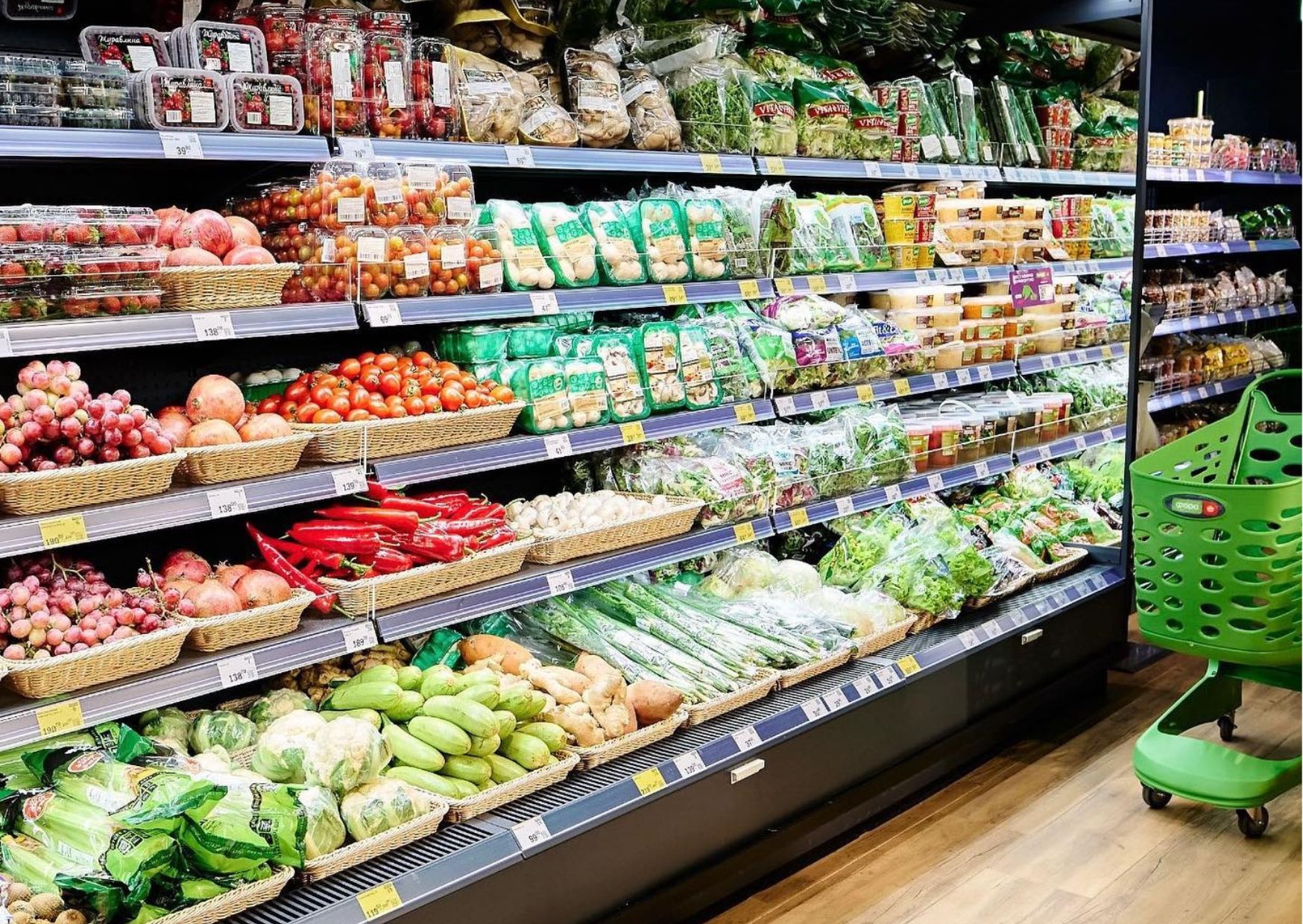
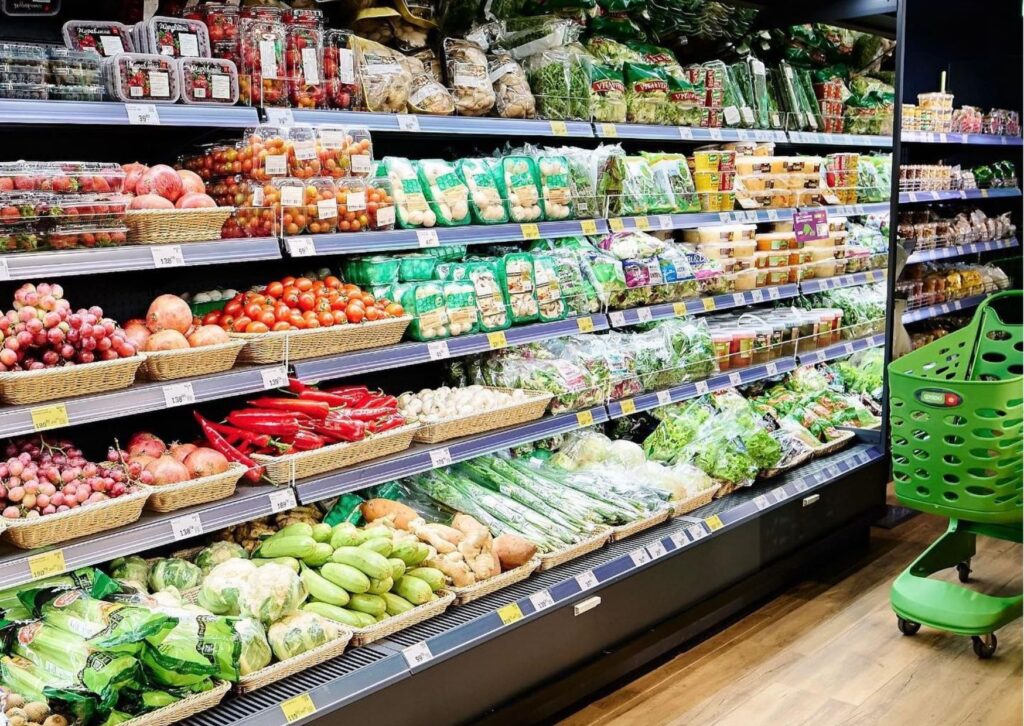
Following Russian strikes on logistics centers, Ukraine’s major grocery chains have faced disruptions in the supply of certain goods. At Silpo, Fora, and NOVUS stores, shoppers have encountered empty shelves or a reduced selection of products. Retailers are already reorganizing their logistics and are even cautiously estimating when products will return to the shelves. This was reported by "Komersant Ukrainian".
“Silpo”: is expected to restore its full product range by August 24
On the night of August 4, a Russian strike damaged two Silpo distribution centers. According to the company, six of its employees were killed in the attack. Due to the loss of logistics capacity, some stores faced supply disruptions.
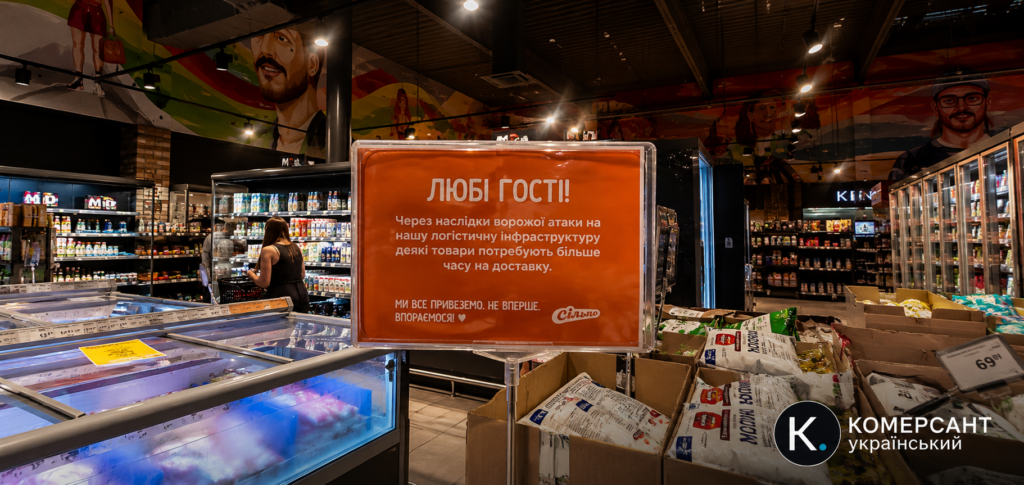
Inside Silpo stores, shoppers were warned:
“Due to the effects of the enemy attack on our logistics infrastructure, some products will take longer to deliver.”
At the same time, the chain assured customers that the situation was temporary and that the product assortment would gradually be restored.
On August 13, Fozzy Group told “Suspilne” that following damage to four distribution centers, the group is urgently reorganizing its logistics and expects to fully restore its usual product range by August 24. This applies to “Silpo,” “Fora,” and Thrash!.
NOVUS: Logistics have already been reorganized, but some products may be delayed
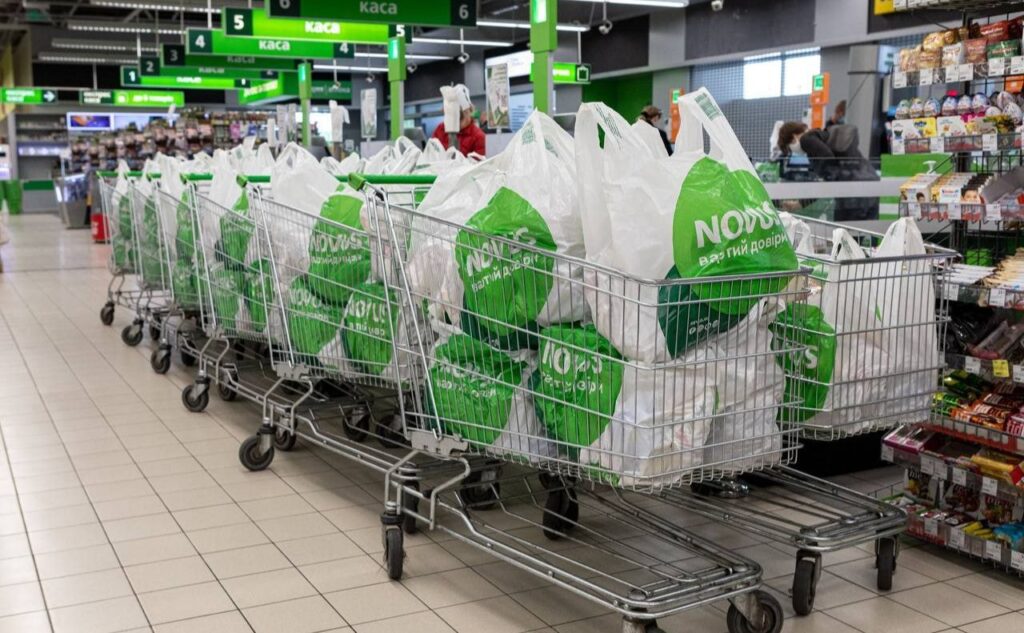
On August 5, Russian missiles also destroyed NOVUS’s main logistics center. Following this, the chain switched some suppliers to direct deliveries to stores, activated backup warehouse facilities, and rerouted product flows through regional hubs.
Mark Petkevich, CEO of NOVUS Ukraine, described the situation as follows:
“We are restructuring complex processes on the fly so that shoppers won’t feel the impact of this attack.”
He also noted that the chain does not expect a large-scale shortage of staple foods and essential goods, although there may be delays in restocking certain specific items.
At the same time, the company has not specified a date when the product range will fully return to the pre-war logistics model. Petkevich emphasizes:
“The complete restructuring and adaptation of our logistics processes are underway right now. This is a continuous and very complex process that we are optimizing step by step every day ‘on the fly.’”
He identifies the main tasks for the coming weeks as stabilizing the new logistics model, reducing delivery costs, and launching backup warehouse facilities.
“Fora”: Deliveries Resume Daily
Like “Silpo,” “Fora” is part of the Fozzy Group. After its warehouse infrastructure was hit, the chain notified customers of a temporary reduction in its product assortment.
In a statement to customers, the company said:
“We understand that you haven’t seen your usual products on the shelves. Unfortunately, we are currently in a very difficult situation: key product warehouses were destroyed as a result of the Russian attack. Because of this, there may be a significantly smaller selection of products in stores for the time being, and certain items may be out of stock. Our team is currently doing everything possible to reorganize our supply chain and deliver the most essential items to stores every day.
(…) Despite the damage, we are already reorganizing our logistics so that stores can continue to operate and our customers will continue to have access to all the essentials they need.”
The company also reported that it is redirecting product flows from other distribution centers and seeking alternative supply routes. According to its estimates, supply volumes are expected to increase in the near future, and shelves will once again be stocked with essential goods, fresh vegetables, fruits, and dairy products.
ATB: The chain did not foresee a shortage
ATB has faced a similar situation before. On June 3, a Russian strike destroyed one of the chain’s largest distribution centers in the Dnipropetrovsk region. The 37,500-square-meter center supplied approximately 300 stores in the Dnipropetrovsk and Zaporizhzhia regions.
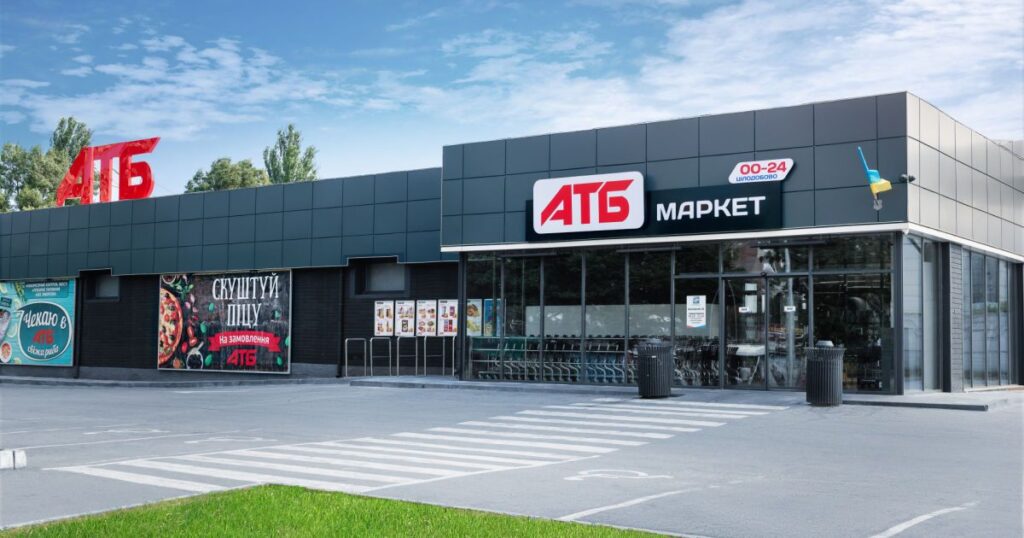
The company stated that it quickly redistributed logistics flows among its other distribution centers.
“Regardless of the circumstances, we always do everything possible to ensure the stability of goods supply and food security in every region where we operate,” the company’s press office emphasized.
Note to Shoppers
As of today, despite the loss of warehouses and significant losses, retail chains are not reporting a nationwide food shortage. The problem is logistical in nature: some goods were physically destroyed in warehouses or cannot currently be delivered to stores via their usual routes.
At the same time, retail chains are gradually restoring their supply chains and seeking new ways to safely deliver goods from manufacturers.
As reported by
Watch us on YouTube: important topics – without censorship