Not a “media blackout”: The Air Force explains what will change in its reports following the Russian attacks
13 August 02:43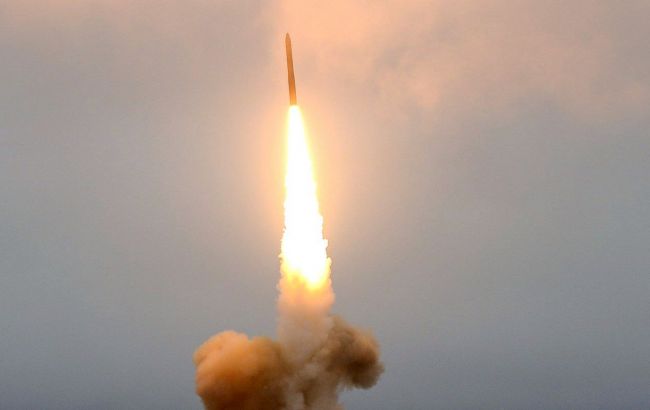
The Ukrainian Air Force is partially changing the format of its morning reports on Russian air attacks. During massive shelling, the reports may not specify the exact number of ballistic missiles launched and intercepted, but operational threat alerts will continue to be published as before. Yuriy Ignat, head of the Communications Department of the Ukrainian Air Force Command, explained the reasons for this decision, according to "Komersant Ukrainian".
In the Air Force’s morning reports, details regarding Russia’s use of ballistic missiles may be limited. Specifically, this refers to the number of missiles launched, shot down, neutralized by electronic warfare systems, or those that failed to reach their targets.
Why the reports will contain less data on ballistic missiles
According to Ignat, the Air Force will continue to inform Ukrainians about air threats, the nature of Russian attacks, and the results of combat operations. Only the level of detail in individual morning briefings will change—primarily following massive ballistic strikes.
As an example, the Air Force representative cited a hypothetical scenario in which Russia launches 28 ballistic missiles, and the report shows the figure “28/0.” Following this, Ukrainian media outlets run headlines claiming that air defense did not shoot down a single missile, and Russian propaganda outlets widely circulate these reports.
According to Ignat, in such cases, it is more important to inform the public about the fact of a massive attack itself, the type of weapons used, the impact locations, and the consequences of the strike, rather than publishing a dry ratio of launched to destroyed targets.
Ignat Cited a Shortage of Missiles for the Patriot System
Explaining the decision, the Air Force representative also drew attention to the acute shortage of ammunition for the Patriot air defense missile systems.
“There are no missiles for the Patriot,” Ignat wrote in a comment on his post.
However, this statement should not be interpreted as official confirmation of a complete lack of missiles across all of Ukraine’s air defense units. Representatives of the Defense Forces typically do not disclose exact ammunition stockpiles. From the context of the statement, it appears that there is a critical shortage of missiles needed to intercept ballistic targets during massive attacks.
The Patriot systems are one of the main means capable of shooting down Russian missiles flying along a ballistic trajectory. Due to the limited number of systems and munitions, it is impossible to provide equally dense protection for all Ukrainian cities.
Watch us on YouTube: important topics – without censorship
Will warnings about missile threats stop?
Real-time updates for the public will continue as usual. The Air Force will continue to publish real-time reports on the movement of Russian missiles and drones, their flight paths, and the threat to specific regions and cities.
This refers only to summary statistics, which are released in the morning after a nighttime attack has ended. The general format of these reports will remain the same, but in some cases, exact figures regarding ballistics may not be disclosed.
Ignat emphasized that Ukrainians will continue to be kept informed online as usual. The Communications Directorate will also continue to provide the media with summary information on Russia’s use of various means of air attack.
How Many Missiles Is Russia Firing at Ukraine?
Despite the restrictions in the daily reports, the Air Force plans to publish aggregated statistics covering longer periods.
According to Ignat, in July 2026 alone, Russian forces fired more than 450 missiles of various types at Ukraine. Nearly 200 of them followed a ballistic trajectory.
These figures indicate a significant strain on Ukraine’s air defense system and a great need for additional interceptor missiles. Russia is attempting to deplete Ukraine’s air defense stockpiles through combined attacks, simultaneously deploying strike drones, cruise missiles, and ballistic missiles.
The format of the reports has been changed before
The current adjustments are not the first revision of the rules for reporting on Russian attacks. According to Ignat, the format of the Air Force’s morning reports has already been changed about ten times.
The reports are adapted to the situation, new tactics employed by Russian forces, the types of weapons used, and other circumstances. Therefore, this decision does not mean that the results of the air defense operations will be kept entirely classified: Ukrainians will continue to receive warnings about dangers and basic information about the consequences of attacks, but some sensitive statistics may not be disclosed in detail.
Read us on Telegram: important topics – without censorship