Ukraine Was Not Included on the Exemption List: How U.S. Tariffs of Up to 100% on Drones Will Work
14 August 08:22
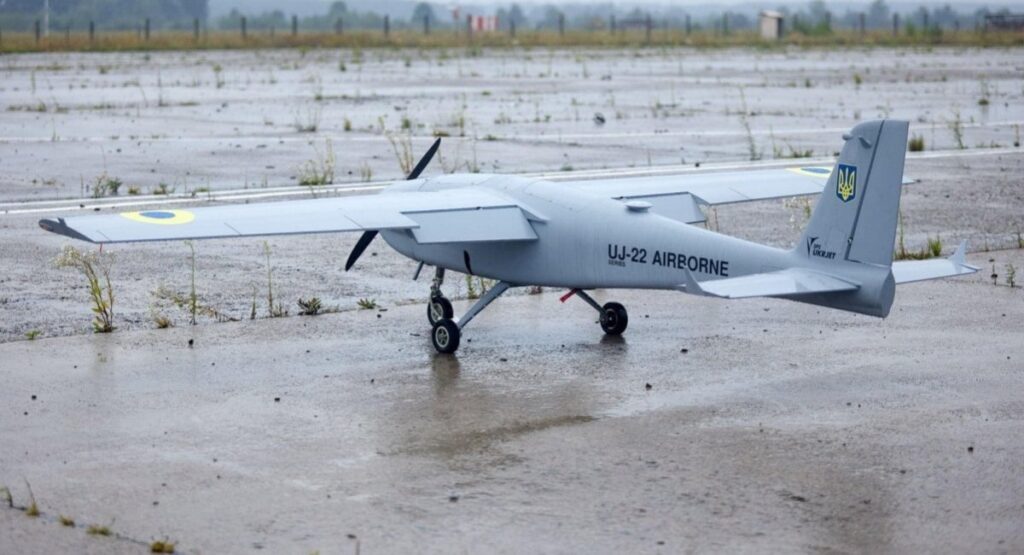
The United States is introducing a tiered tariff system on imports of drones and components. The 100% tariff will not apply to all drones, but Ukraine is not included in the list of countries eligible for preferential treatment. This was reported by "Komersant Ukrainian", citing the White House website.
U.S. President Donald Trump signed a proclamation imposing new tariffs on imports of unmanned aerial systems, docking stations, and certain components. Depending on the technical specifications and country of origin, the tariffs will range from 10% to 100%.
According to a White House fact sheet, Washington cites a threat to national security and the U.S. market’s critical dependence on foreign manufacturers as the reasons for the decision.
Which drones will be subject to a 100% tariff
The maximum 100% tariff does not automatically apply to all drones. According to the U.S. presidential proclamation, this rate will apply to:
- drones with a maximum takeoff weight exceeding 25 kilograms;
- drones equipped with thermal imaging systems;
- docking stations for the relevant UAVs;
- certain critical components from a specified list.
Thus, it is not only heavy military or industrial drones that may be subject to the maximum tariff. Even a lighter drone may be taxed at a 100% rate if it has an integrated thermal imager or other characteristics included in the relevant customs category.
What duty rate will apply to small drones?
For drones with a maximum takeoff weight of up to 25 kilograms that do not fall into categories sensitive to national security, a 25% tariff applies.
The same rate will apply to certain drone components. However, U.S. authorities have provided for a longer transition period for some components.
Thus, the commonly used phrase “a 100% tariff on all drones” is inaccurate. The U.S. is, in fact, establishing several tariff tiers depending on the weight, equipment, origin, and intended use of the products.
Ukraine is not included on the preferential list
Separate conditions have been established for products originating from U.S. partner countries. The maximum tariff rate for drones and components from the European Union, Japan, South Korea, Taiwan, Switzerland, and Liechtenstein will be no more than 15%.
For products from the United Kingdom, the tariff is capped at 10%.
However, these preferential terms will apply only if virtually all critical components and technologies originate from the U.S. or the specified countries. Importers will be required to verify the origin of the hardware and software.
Ukraine is not included in the list of countries eligible for preferential rates. This means that Ukrainian manufacturers will not automatically receive a tariff cap of 10% or 15%.
When supplying Ukrainian UAVs to the United States, the tariff rate will depend on the classification of the specific product. For lighter aircraft, it may be 25%, while for models equipped with thermal imagers, weighing more than 25 kilograms, or containing certain critical components, it could reach 100%.
When the new tariffs will take effect
The main tariffs will take effect on September 3, 2026. Starting on that date, the 100% and 25% tariffs will apply to goods imported for consumption in the U.S. or removed from bonded warehouses.
For certain components that are not considered particularly sensitive, the 25 percent rate will take effect on February 9, 2027.
Companies and products included on the U.S. Blue UAS or FCC Conditional Approval Lists will also be granted a transition period. For them, the effective date of the tariffs may be deferred by 180 days.
The new duties will be assessed in addition to other fees and charges, unless the proclamation expressly provides for an exception.
Watch us on YouTube: important topics – without censorship
Why the U.S. Is Imposing Tariffs on Drones
The decision was based on an investigation by the U.S. Department of Commerce under Section 232 of the Trade Expansion Act. U.S. officials concluded that significant reliance on imported drones and components could pose a threat to national security.
The White House emphasized that even American manufacturers often use foreign:
- engines;
- speed controllers;
- lithium-ion batteries;
- electronic components;
- docking stations;
- software solutions.
Washington identified the potential transfer of data to overseas manufacturers via installed software as a separate risk.
The Trump administration believes that tariffs should stimulate drone production in the U.S. and reduce dependence on foreign supply chains, Reuters reported.
Manufacturers will be offered a way to avoid tariffs
The U.S. Department of Commerce is set to create a special program to bring manufacturing back to the country. Companies that agree to build, modernize, or expand factories in the United States will be able to submit localization plans.
Once such a plan is approved, the manufacturer may be allowed to import the necessary equipment and components duty-free during the construction of the facility.
A condition will be a commitment to begin the relevant work by January 20, 2029. If a company fails to fulfill its commitments or provides false information, the tariff exemptions may be revoked, including retroactively.
What the New Tariffs Mean for the Market
In the short term, the tariffs may increase costs for U.S. importers and manufacturers that rely on foreign parts. Companies may pass on some of the additional costs to buyers.
The greatest pressure is expected on suppliers of heavy drones, thermal imaging equipment, automated docking stations, and critical components from countries that do not have preferential treatment.
For Ukrainian manufacturers, this decision creates an additional barrier to entering the U.S. market. One way to reduce the tariff burden could be to localize part of production in the U.S. or to collaborate with American companies under the new onshore program.
Read us on Telegram: important topics – without censorship