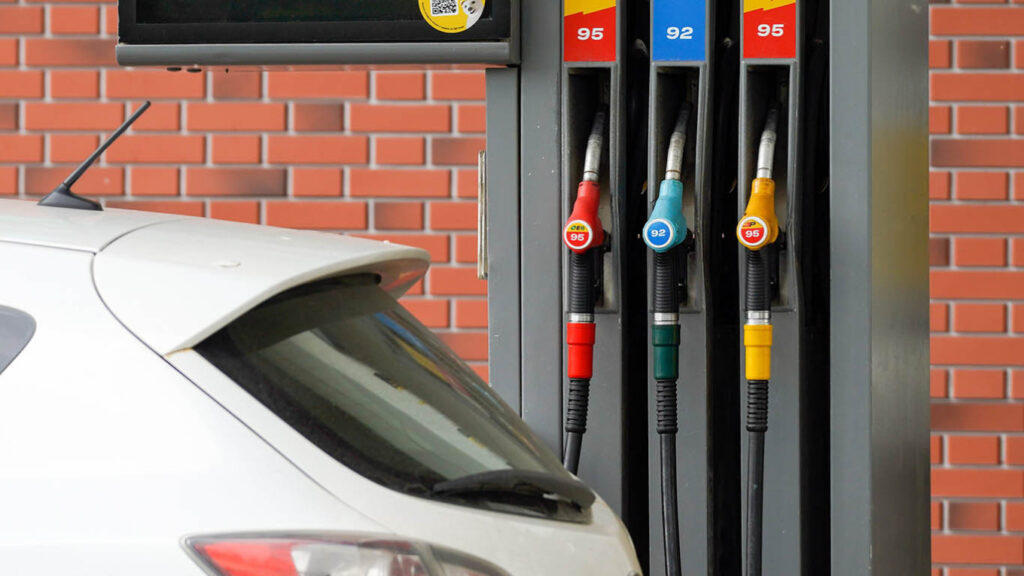
Restrictions on gasoline sales in Russia have affected 15 regions and the occupied territories: what is known
4 June 16:18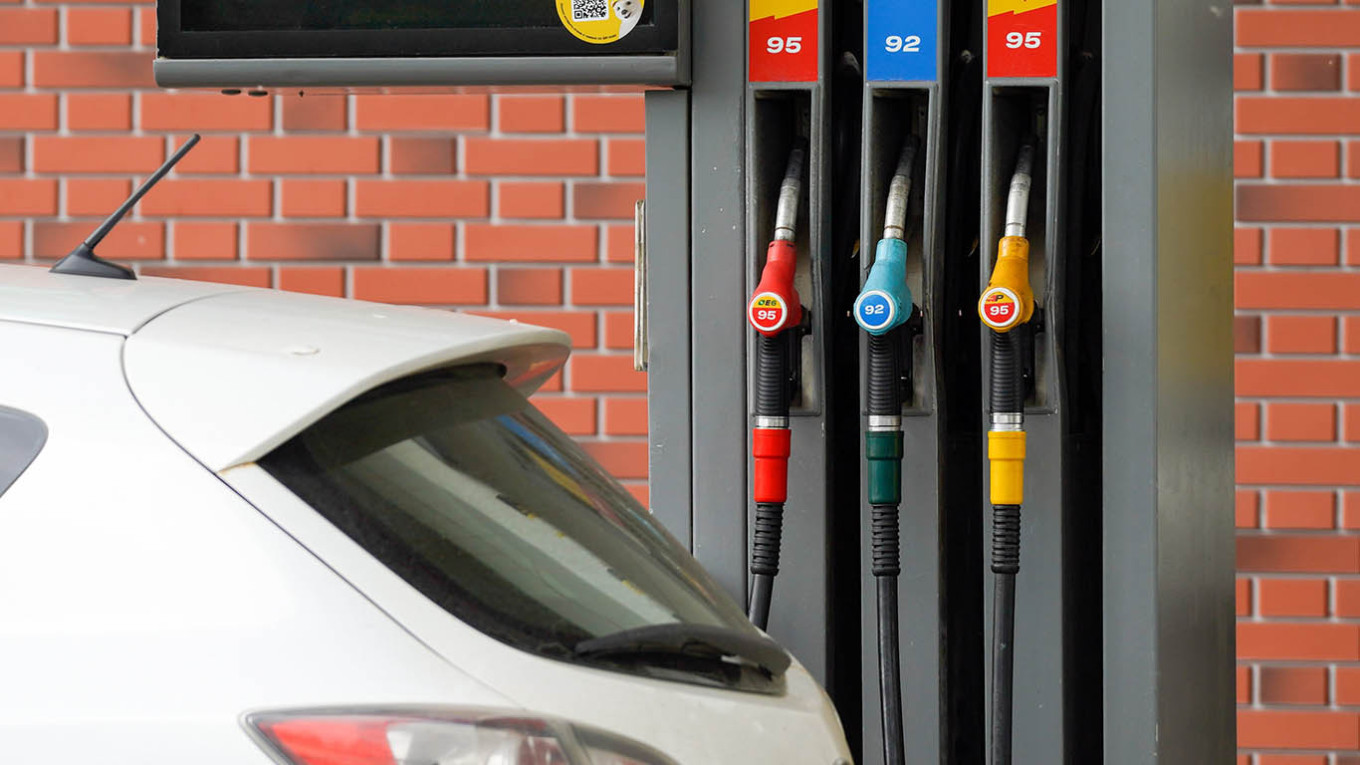
Fuel shortages caused by Ukrainian attacks on Russian oil refineries have now spread to at least 15 regions in Russia, including Moscow and St. Petersburg, according to "Komersant Ukrainian", citing Russian propaganda media.
Restrictions on gasoline purchases at gas stations have also been introduced in five occupied regions of Ukraine. Residents of Ryazan were the first to complain about the lack of AI-92 and AI-95 at gas stations in late May. Shortly before that, Ukrainian UAVs struck Rosneft’s Ryazan refinery—one of the largest in the country. Also in May, residents of the annexed Crimea began reporting fuel shortages at gas stations as Ukrainian Armed Forces drones cut off the land route to the peninsula. Sales were limited to 20 liters of AI-95 per person.
In Sevastopol, the occupying authorities also initially limited gasoline sales to 20 liters per person and introduced ration cards for diesel fuel, and then announced a “temporary” shortage of AI-92 and AI-95. In early June, fuel purchase restrictions reached Novaya Moskva. At city gas stations, “until further notice,” they stopped selling more than 60 liters of gasoline per person (and no more than 100 liters of diesel). Shortly before that, similar restrictions appeared at gas stations in St. Petersburg. Also in early June, restrictions on fuel sales were introduced at Rosneft and Tatneft gas stations in the Kursk, Belgorod, and Pskov regions.
The day before, it became known that fuel shortages had also been reported in the Moscow region. Since May 30, the ORTK network has been limiting sales to no more than 60 liters of gasoline and no more than 100 liters of diesel per vehicle. Gazprom and Lukoil set limits of 100–150 liters.
The crisis has also spread to the northern and northwestern regions. Residents of the Novgorod region are reporting on local social media groups that gasoline sales are limited to 20 liters. Most comments mention Surgutneftegaz gas stations. Some gas stations in Karelia have also introduced temporary restrictions “until the next shipment arrives.” The regional Ministry of Industry and Trade attributed this to increased demand for fuel due to the start of the summer vacation season. In addition, shortages have emerged in the Murmansk region. “Gasoline and diesel have run out at a number of gas stations… the situation is difficult,” locals report.
South of Moscow, fuel shortages are also mounting. In the Voronezh region, residents were unable to buy gasoline at a gas station in the village of Shilovo. A notice stated that AI-95 would not be available “until the end of the month” due to supply disruptions. In the Oryol region, gas stations stopped dispensing gasoline into metal cans.
Residents of Krasnoyarsk reported a similar restriction. Rosneft gas stations announced restrictions introduced on May 29. The same ban is in effect at gas stations in the neighboring Tomsk region—people cannot refuel gasoline generators and motor cultivators in the middle of the summer cottage season. Supply disruptions have also occurred in the Koryak District of Kamchatka. Authorities justified the restrictions by citing the need to preserve fuel reserves in storage “until the winter road opens next year.”
In addition, limits on gasoline sales have been imposed in three other occupied regions of Ukraine—in the Zaporizhzhia, Donetsk, and Luhansk regions. The “LPR” occupation authorities reported a “risk of a fuel shortage.”
Despite the escalating crisis, Russian Deputy Prime Minister Alexander Novak stated on Thursday, June 4, that the situation on the fuel market was stable.