British Prime Minister Keir Starmer Has Announced His Resignation: What We Know
22 June 13:14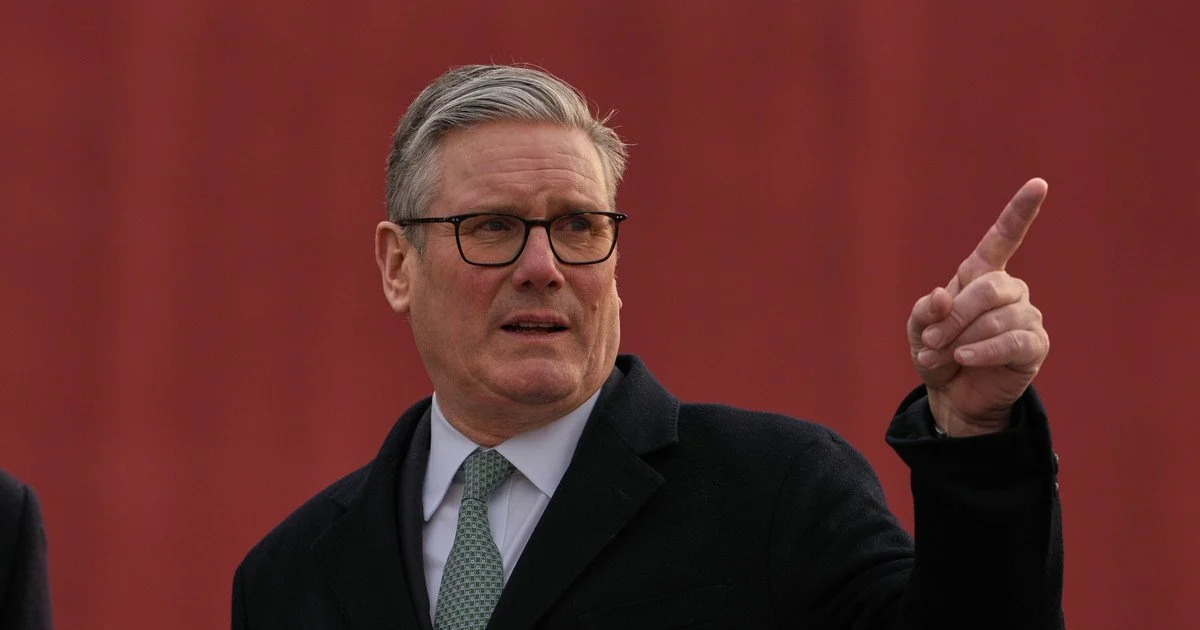
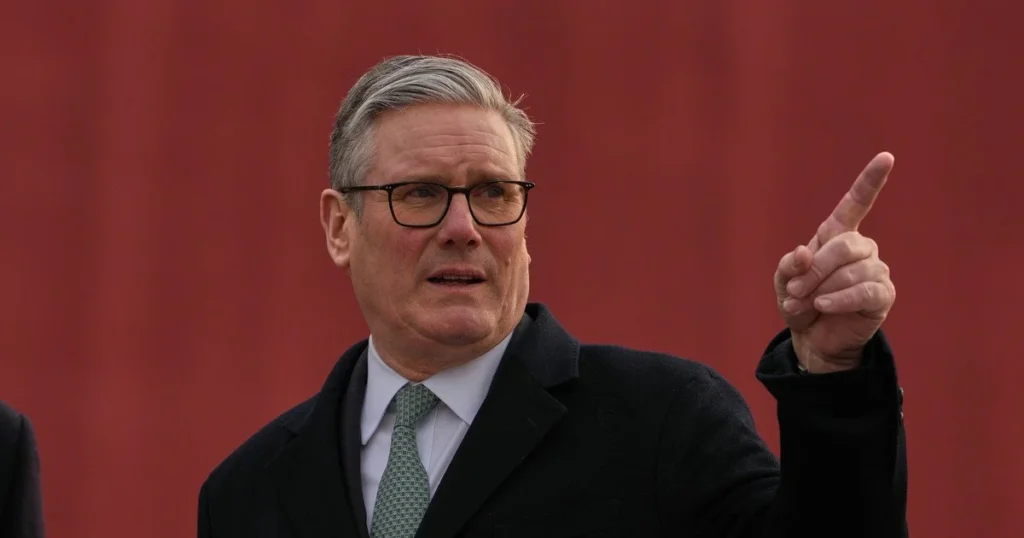
British Prime Minister Keir Starmer announced his decision to resign as head of government and leader of the Labour Party, "Komersant Ukrainian" reports, citing the BBC.
Before announcing his resignation, Starmer stated that he had inherited a Labour Party that was “politically, financially, and morally bankrupt.”
He noted that he had been told “time and again” that the party had “run its course,” but he claims that he “proved those people wrong.”
Watch us on YouTube: important topics – without censorship
Starmer noted that he had transformed the party by “rooting out the poison of antisemitism” and “restoring trust in matters of the economy, defense, and national security.”
Keir Starmer also said that after he leaves “the most influential job in the country,” he will devote more time to “the most important job.”
“To be the best husband I can be to my fantastic wife, Vic, who has been my rock through thick and thin,” he said, visibly moved during his speech.
“And to be the best father I can be to my wonderful children, who are my pride and joy,” he concluded.
In recent days, the possibility of his resignation has been the subject of active discussion in British political circles.
Following Starmer’s announcement, the process of selecting a new leader has begun within the Labour Party.
One of the leading contenders to succeed him is Greater Manchester Mayor Andy Burnham. Last week, he won the by-election in the Makerfield constituency and is set to be sworn in as a Member of Parliament on Monday.
According to the BBC, many Labour Party members expect what is being called Bernam’s “coronation”—a scenario in which he would become the sole candidate for party leader and take the helm of the government without a serious internal contest.
If this scenario plays out, Burnham could become the new prime minister as early as this fall, during the annual Labour Party conference.
Keir Starmer took the helm of the Labour Party in 2020, when it was in opposition.
Four years later, he led Labour to a decisive victory in the general election: the party won 412 seats in the House of Commons and returned to power after a 14-year hiatus.
At that time, Starmer became Prime Minister of the United Kingdom.
Read us on Telegram: important topics – without censorship