Russia is tightening its grip on the fuel market: what’s behind it?
1 May 16:49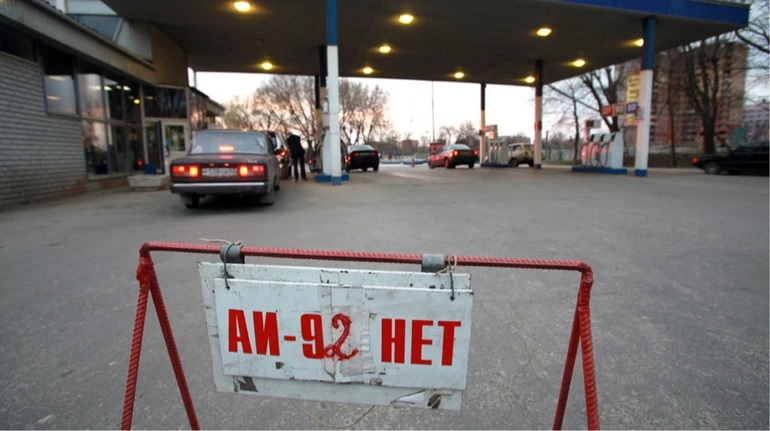
The Russian government has decided to tighten control over fuel production due to a significant decline in output. The reason was a series of drone attacks in April that affected at least nine oil refineries. These attacks caused production to drop to a 17-year low. This is reported by The Moscow Times, as cited by "Komersant Ukrainian".
Under the new decree, the eleven largest oil companies, such as Rosneft, Gazprom Neft, Lukoil, and Surgutneftegaz, will sign agreements with the Ministry of Energy and the Federal Antimonopoly Service. The goal of these agreements is to “stabilize the domestic market for petroleum products,” as stated in the government’s announcement.
The press service of the Russian Cabinet of Ministers reported:
“The resolution is aimed at ensuring sufficient fuel supplies during the period of seasonal demand growth and agricultural fieldwork.”
Operational Measures and Price Control
The Ministry of Energy will issue mandatory recommendations to oil companies regarding the volumes of fuel produced, exported, and sold on the domestic market. This will apply to gasoline and Class 5 diesel fuel. Prices at gas stations will also be subject to state control, with oil companies obligated to keep price increases within the limits of inflation.
A source told Russia’s Interfax:
“Such recommendations existed before, but now their significance is growing. Oil companies will be able to deviate from the plan only in the event of force majeure.”
Read us on Telegram: important topics – without censorship
Ukrainian attacks on Russian oil refineries
Since the beginning of 2026, drones have attacked Russian refineries at least 19 times, leading to the partial or complete shutdown of some plants in April. This resulted in a drop in refinery capacity to 4.69 million barrels per day, which is even lower than the levels seen during last year’s gasoline crisis.
As a result, in April, Ukrainian drones struck Russian oil infrastructure facilities—including refineries, oil pipelines, and ports—21 times. The number of strikes was the highest since the start of the year.
READ ALSO: Tuapse and beyond: the next critical target for attacks on Russian refineries has been named
Watch us on YouTube: important topics – without censorship