A Sacred Sacrifice or an Act of Treason: Who “Shut Down” the Air Defense System Near Moscow on the Eve of the Parade, and Why?
8 May 19:39
The Russian Ministry of Defense has officially announced a “ceasefire” from May 8 to 10, citing the celebration of the upcoming anniversary of Victory in World War II as the reason. However, behind the facade of “peacefulness” lie direct threats: the Kremlin is promising a massive strike on the center of Kyiv if Ukraine “dares” to disrupt the parade in Moscow.
According to military analysts, the parade could be jeopardized by its own so-called “internal rebels,” who are deliberately putting Putin in the line of fire and casting serious doubt on the holding of the Russian Federation’s most sacred event. Is the sky over the Russian capital truly protected, and will the parade be the perfect moment to demonstrate the regime’s collapse? Why is Russian air defense a myth, and who could actually strike the center of Moscow? And most importantly—why is the presence of foreign leaders in the stands no longer a guarantee of protection against drones? "Komersant Ukrainian" investigated.
The irony of history: a war that has lasted longer than the “Great Patriotic War”
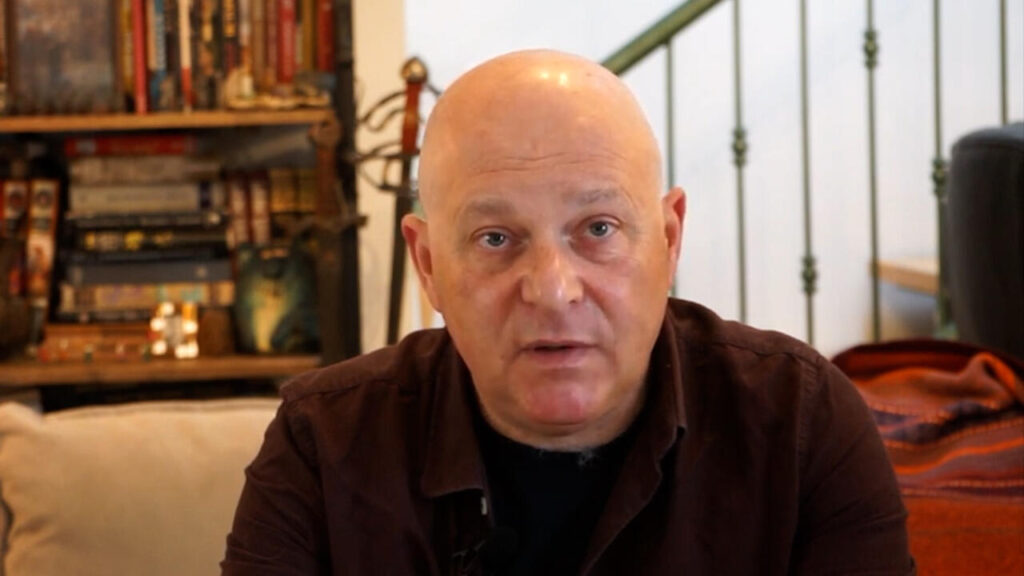
IDF reserve officer and historian Grigory Tamar explainedin a commentary for "Komersant Ukrainian" the true reasons behind Russia’s nervousness and described why the safety of the dictator and his guests today depends entirely on the goodwill of the Ukrainian General Staff. Grigory Tamar draws attention to a paradoxical fact: the full-scale war in Ukraine has been going on for more than four years (in terms of intensity and scale), which in duration already exceeds the length of the USSR’s participation in World War II.
“Russia is trying to exploit this holiday to justify today’s crimes. But it is Russia that has devalued this date. The white gloves have long since been torn off, and the boundaries of cruelty and cynicism have been erased,” notes Tamar.
Read us on Telegram: important topics – without censorship
The Kremlin’s Political Humiliation
The very fact that holding the parade in Moscow for the 81st anniversary now directly depends on whether anything will land on Red Square is a huge achievement for Ukraine.
According to Tamara, the situation where world leaders are forced to ask Kyiv through intermediaries for a “day of silence” in order to safely visit Moscow indicates a shift in geopolitical poles.
Diplomatic deadlock: even if certain leaders (from China or the U.S.) try to act as guarantors, this does not provide 100% security.
The question of agency: today, it is not Moscow that dictates the terms, but rather it awaits a decision from the Ukrainian command.
For years, Russian propaganda has perpetuated the myth of “invincible air defense,” yet reality tells a different story. Grigory Tamar is certain: a systematic air defense force in Russia effectively does not exist.
The Home Front: Why the Kremlin Should Fear “Its Own”
Amid preparations for Victory Day, the Russian leadership has been shaken by a series of events indicating deep destabilization within the Russian Federation itself. According to sources, the situation surrounding Moscow’s security and Vladimir Putin’s personal plans is becoming critical.
According to the Telegram channel “Kemlevskaya Tabakerka,” a brazen attack was carried out in the Moscow region against military personnel guarding one of the air defense systems. The incident, which sources describe as a “well-planned operation,” resulted in casualties: one conscript was killed on the spot, and another soldier was wounded.
The location of the facility is being kept secret to avoid providing additional intelligence to the enemy; however, the very fact of an attack on a strategically important unit directly outside Moscow has caused an uproar within the Ministry of Defense and the police.
There is also growing talk in the Kremlin about the existence of influential forces acting against the president’s will. The latest massive strikes on Ukrainian territory, which occurred amid intensified secret negotiations with the American side, may not have been coordinated with Putin.
Sources in the Russian Presidential Administration claim that these attacks are deliberately weakening the Kremlin leader’s position. The main concerns relate to the May 9 parade:
“The president needs to hold the parade with dignity; this is a crucial date. We tried, through the Americans, to get Kyiv to avoid a scenario where hundreds of drones would be flying toward Moscow. But someone decided they were smarter than everyone else and gave the order to shell Ukraine,” a source in the Presidential Administration reports.
Behind the scenes in the Kremlin, it is believed that the order for massive shelling of Ukraine—which effectively gives Kyiv a free hand to launch a retaliatory strike on Moscow—could only have come from the very highest level. Suspicions have fallen on so-called “rebels” interested in derailing agreements and discrediting Putin on his most sacred day.
Grigory Tamar is convinced that the threat to the Russian leadership today is not solely external. While propaganda paints a picture of “unity around the leader,” the real danger may come from within Russia itself, where discontent and chaos are brewing.
“And who even said that the strikes on Moscow would be carried out by Ukraine specifically? They could be patriots of the Russian Federation, honest Russians waging an underground struggle against the bloody regime. Is that even possible? Well, why not? If there were Russians who collaborated with Ukraine as part of Operation “Web,” then why couldn’t that happen now? It could be a hypothetical “aggressive Luxembourg,” or representatives of other nations aggrieved by years of Russian aggression,” Tamar emphasizes.
The expert highlights three key factors that make the situation in Russia explosive:
- Underground activity: The experience of past successful operations shows that there are people within the security forces and civil society of the Russian Federation who are ready to take radical action against the regime.
- Internal decay: what the Kremlin tries to dismiss as “coincidences” is often the result of internal decay.
“There could be 200 reasons for this: from criminal activity and settling scores among military personnel (remember what hazing is) to targeted sabotage,” Tamar notes.
- Information panic: the authorities’ attempts to completely restrict the internet and communications in Moscow during the celebrations only confirm their fear of uncontrollable events in the very heart of the country.
“If I were in the Ukrainian command’s shoes, I would deliver the most powerful strike possible against Moscow. Ukraine did not start this war, and Russia must pay—politically, militarily, and in terms of its reputation,” Tamar emphasizes.
Thus, the “ceasefire” announced by Russia for May 8–10 looks not like a gesture of humanity, but like an attempt to take a tactical pause and insure its own “celebration on blood.” However, threats of strikes against Kyiv only confirm the Kremlin’s impotent rage.
As the military warns, any foreign leader planning to visit Moscow during these days should not rely on diplomatic channels. In a war where “the gloves are off,” there are no longer any security guarantees for the aggressor and its accomplices.