“Rassvet” satellites have reached a window of stable coverage, with several hours of communication over Ukraine — media reports
3 August 04:06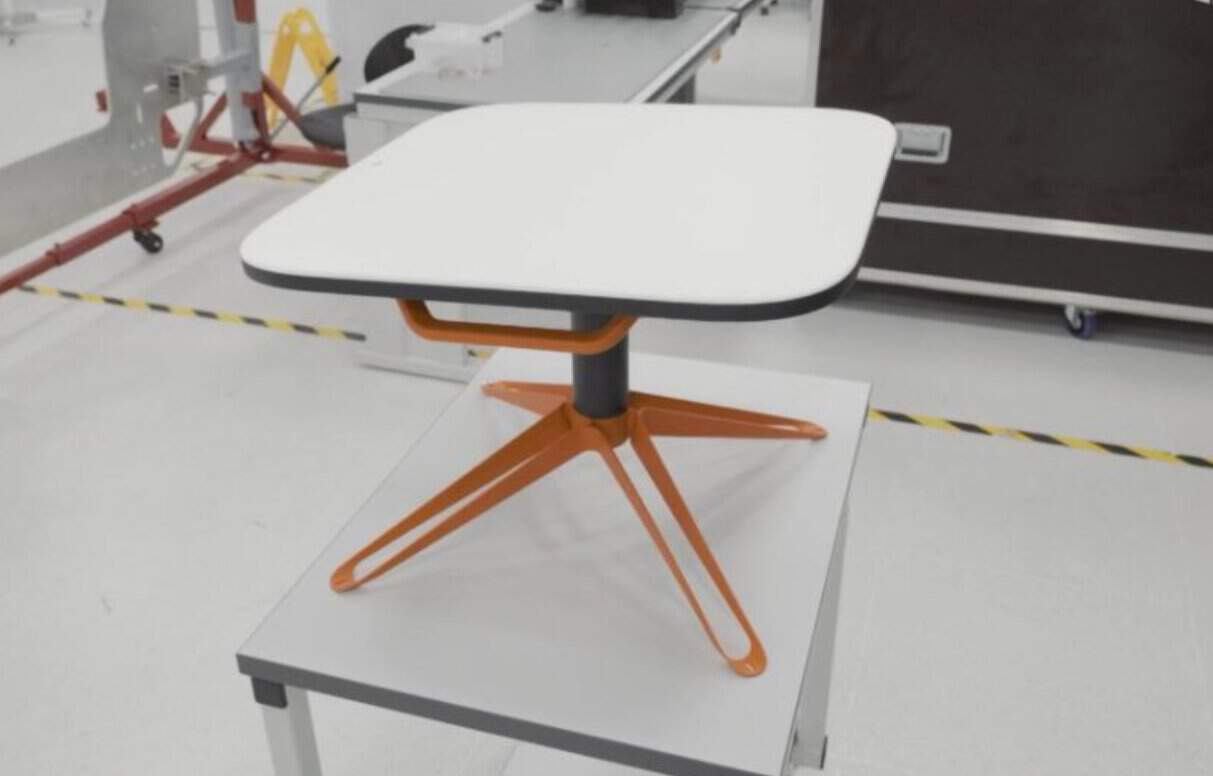
The Russian “Rassvet” satellites operated by “Bureau 1440” are already providing at least two “communication windows” per day over Ukraine, each lasting more than an hour. Satellite communications expert Volodymyr Stepanets told “Military” about this based on an analysis of the trajectories of Russian satellites, according to "Komersant Ukrainian".
As of July 31, 2026, the satellites of the Russian company “Bureau 1440,” launched in late March 2026, had effectively completed their deployment into operational formation in orbit.
Twelve of the 16 launched satellites have already reached their operational altitude of 550 kilometers; three more are gradually ascending; and one satellite burned up, presumably due to a manufacturing defect.
“We can see that a chain with good coverage has effectively already been formed, which provides this level of coverage roughly twice a day—but in reality, there are more passes, meaning that several such chains can pass over various regions at intervals of about every hour and a half. But what’s important is that these satellites are already providing fairly dense coverage,” he said.
According to data from the N2YO service, Russian satellites are in orbits that allow them to pass within the line of sight over Ukraine four times a day. However, only during two or three of these four passes do the satellites rise high enough above the horizon to maintain a stable connection with ground terminals.
Watch us on YouTube: important topics – without censorship
During each pass—which lasts about an hour to an hour and a half for the full formation—a “communication window” opens, during which the Russians can theoretically use satellite terminals to communicate with and control maritime drones, as well as heavy strike and reconnaissance UAVs based on the “Geran-2/3/4” series.
In late July, Russia launched a second group of 16 communications satellites into orbit for the “Rassvet” project. If the deployment of this constellation in orbit continues at the same pace, it can be expected to reach operational altitudes in October–November and provide two additional “communication windows.”
The officially announced schedule calls for the start of commercial operations in 2027. Russian sources had previously mentioned plans to increase the number of satellites to 250 by 2027, to 730 by 2030, and subsequently to over 900 by 2035.
However, such a schedule would require regular launches of new batches of satellites at a rate of about 16 satellites per month, whereas currently they are launched approximately once every four months.
However, even if this pace were maintained, the Russians would launch their fourth group of satellites by March 2027 and, by mid-summer, would be able to secure round-the-clock coverage over Ukraine. This could have serious consequences for the Defense Forces if they do not deploy effective countermeasures by that time.
The Threat from the “Rassvet” System
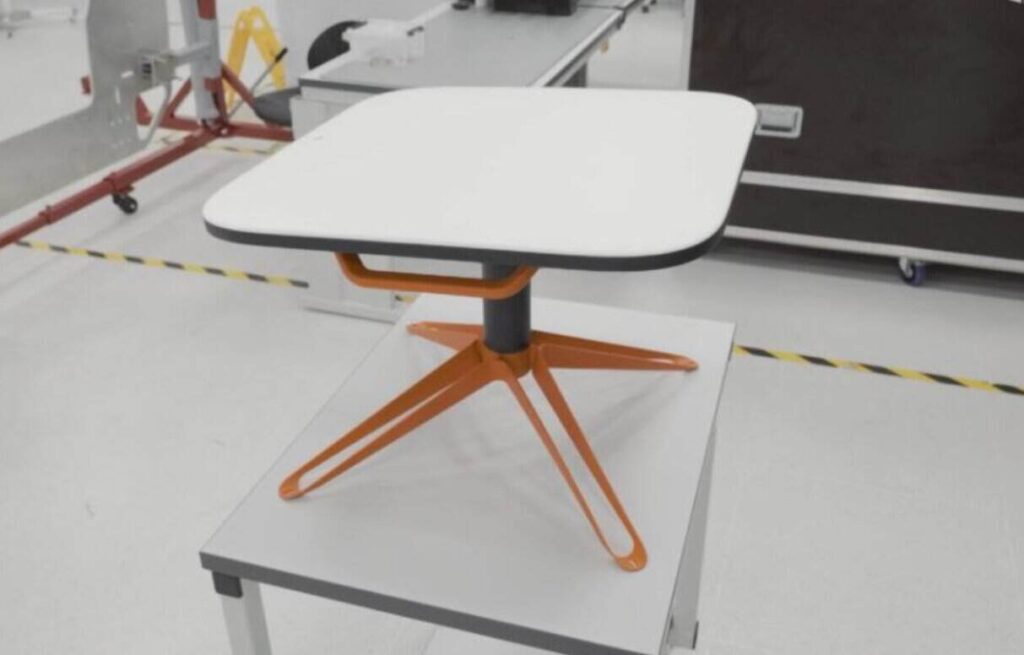
The “Bureau 1440” subscriber terminals are up to 60 cm in length and width and weigh less than 15 kg. Each terminal has a bandwidth of up to 1 Gbit/s. The design was developed with the Russian climate in mind: it is intended to operate in a temperature range from −40 to 40 °C.
Like Starlink terminals, the Russian terminals are based on active phased array antenna technology. This allows the terminal to automatically locate a satellite, establish a connection with it, and maintain the link without manually adjusting the antenna.
According to publicly available information, the company has already completed development of the terminal’s base version and is preparing to launch mass production.
Given the terminals’ specifications and the overall context of the project’s development, it can be expected that once mass production is established, they will quickly find their way into the hands of Russian forces. Their likely applications will not be limited to ground-based systems.
We should expect to see these terminals not only at command posts, on vehicles, or on ships, but also on strike and reconnaissance UAVs. In the future, they may be integrated into platforms based on the “Geran-2/3/4/5,” “Harpyia,” or other long-range unmanned aerial vehicles. A similar communication channel could also be used to guide cruise missiles, glide bombs, and other weapons.
Read us on Telegram: important topics – without censorship